September 2021 in “CRC Press eBooks” Traumatic alopecia causes hair loss from pulling or rubbing, leading to broken hairs and changes in the scalp.
 January 2015 in “Hair therapy & transplantation”
 New hair and scalp disease diagnosis methods are important for correct treatment.
71 citations
,
January 2011 in “Journal of cutaneous pathology” A rare skin condition was confirmed to be associated with a specific virus in a young girl.
2 citations
,
March 1994 in “Oncology Reports” Keratoacanthomas and squamous cell carcinomas have similar keratin patterns, making them hard to tell apart.
4 citations
,
May 2020 in “The journal of pediatrics/The Journal of pediatrics” A boy with monilethrix has brittle hair that breaks easily due to a genetic condition, which might improve by puberty.
 April 2012 in “Informa Healthcare eBooks”
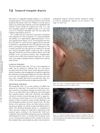
 Temporal triangular alopecia is a lifelong condition with hairless patches on the side of the head that may be present from birth.
 2 citations
,
March 2019 in “Journal of Dermatology”
2 citations
,
March 2019 in “Journal of Dermatology” Trichoscopy helped diagnose and treat a woman with two different types of hair loss.
October 2025 in “Diagnostics” Temporal triangular alopecia is a harmless, non-progressive hair loss condition.
January 2023 in “Indian Dermatology Online Journal” Two newborns with rare skin infections were successfully treated with antifungal cream.
85 citations
,
July 1993 in “The journal of investigative dermatology/Journal of investigative dermatology” 27 citations
,
February 2006 in “International Journal of Dermatology” Some children and young adults with eyebrow and eyelash hair loss actually have a hair-pulling disorder, often with related psychological issues.
 December 2021 in “International journal of research - granthaalayah”
 A young woman had a rare, usually non-cancerous tumor on her face that was initially mistaken for a different condition.
2 citations
,
January 2003 in “Dermatologic surgery” The 800-nm pulsed diode laser is a safe and effective long-term treatment for trichostasis spinulosa in dark-skinned individuals.
October 2019 in “Journal of Face Aesthetics” Trichoscopy helps diagnose female hair loss easily.
 September 2006 in “Dermatologic Surgery”
 Some aggressive scalp cancers are hard to treat and can be deadly, even when removed with specialized surgery.
 February 2026 in “Frontiers in Pediatrics”
 Consider trichobezoars in young girls with vague symptoms for accurate diagnosis.
2 citations
,
November 2023 in “Skin Research and Technology” RCM and dermoscopy help identify different types of hair loss in children.
May 2024 in “Indian journal of child health” A 7-year-old girl had a non-painful skin growth at her belly button, which was removed and identified as a keratinous cyst.
 14 citations
,
February 2017 in “Anais brasileiros de dermatologia/Anais Brasileiros de Dermatologia”
14 citations
,
February 2017 in “Anais brasileiros de dermatologia/Anais Brasileiros de Dermatologia” Trichotillomania is often misdiagnosed as alopecia areata and can be treated effectively with N-acetylcysteine and psychotropic drugs.
20 citations
,
November 2004 in “Archives of Pathology & Laboratory Medicine” A rare benign skin growth called melanocytic matricoma was identified in a 69-year-old man.
 2 citations
,
December 2019 in “Cureus”
2 citations
,
December 2019 in “Cureus” A patient with a scalp condition and benign skin tumor experienced hair loss and did not improve with treatment, choosing not to have surgery despite a small cancer risk.
5 citations
,
October 2012 in “The Journal of Dermatology” Traumatic panniculitis can cause increased hair growth in affected areas.
5 citations
,
January 2021 in “Indian Journal of Pathology and Microbiology” A rare eyelid tumor was successfully diagnosed and removed, highlighting the need for careful examination.
20 citations
,
February 2015 in “Anais brasileiros de dermatologia/Anais Brasileiros de Dermatologia” A 6-year-old girl was diagnosed with a rare hair disorder and started treatment with topical minoxidil.
4 citations
,
April 1983 in “The Journal of Dermatology” A 15-year-old girl with hypothyroidism had excess hair and skin issues due to blocked hair follicles.
57 citations
,
February 2006 in “Journal of Investigative Dermatology” Cylindromas likely originate from hair follicle stem cells, not sweat glands.
4 citations
,
March 2024 in “International Journal of Surgery Case Reports” An 11-year-old boy with hair-eating habits needed surgery and psychiatric help.
 May 2022 in “European medical journal”
 An 11-year-old girl with Trichotillomania developed a large hairball in her stomach, treated with medication, therapy, and family education.
 4 citations
,
January 2014 in “Indian dermatology online journal”
4 citations
,
January 2014 in “Indian dermatology online journal” Monilethrix is a genetic hair disorder causing fragile, beaded hair with no effective treatment.
August 2023 in “Journal of the European Academy of Dermatology and Venereology” Onycholemmal horn is a rare nail tumor in elderly women, treated by surgical removal.