 21 citations
,
May 1996 in “Current problems in dermatology”
21 citations
,
May 1996 in “Current problems in dermatology” Detailed patient history and physical exams are crucial for diagnosing hair loss.
11 citations
,
April 2017 in “Journal of research in pharmacy practice” The combination of zinc sulfate and calcium pantothenate effectively controls early-stage hair loss.
6 citations
,
January 2020  5 citations
,
November 2022 in “Genetics selection evolution”
5 citations
,
November 2022 in “Genetics selection evolution” Low-coverage sequencing is a cost-effective way to find genetic factors affecting rabbit wool traits.
1 citations
,
February 2026 in “Clinics in Dermatology” Vitamins help hair mainly if you have a deficiency; too much can cause hair loss.
 April 2023 in “Biomedical Journal of Scientific and Technical Research”
 Indian head cactus extract may help hair grow by boosting important cell activity and gene expression.
 February 2023 in “Molecules”
 Cactus extract from Notocactus ottonis may help promote hair growth.
 July 2025 in “Journal of Dermatological Treatment”
 PRP improves hair growth in androgenic alopecia, especially when combined with minoxidil.
 5 citations
,
October 1988 in “Clinics in Dermatology”
5 citations
,
October 1988 in “Clinics in Dermatology” Minoxidil promotes hair growth but exact mechanism is unknown.
January 2023 in “Journal of Veterinary and Animal Sciences” Dogs with skin lesions often have blood abnormalities and damaged hair.
7 citations
,
January 2001 in “PubMed” Vitamin B6 reduced hair loss in women with diffuse alopecia, but calcium pantothenate had no clear positive effect.
 13 citations
,
July 2016 in “Pediatric Dermatology”
13 citations
,
July 2016 in “Pediatric Dermatology” Loose Anagen Syndrome is more common in females and may be inherited, often confused with other hair disorders, and lacks evidence for biotin treatment effectiveness.
The authors defended their methods for measuring hair density and caliber, emphasizing the need for consistent photography and manual counting for accuracy in evaluating hair loss treatments.
 13 citations
,
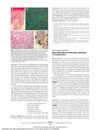
December 2010 in “Archives of Dermatology”
13 citations
,
December 2010 in “Archives of Dermatology” Minoxidil use can cause trichostasis spinulosa in long-term hair loss patients.
1 citations
,
January 2016 in “Companion animal” Cats lose hair due to itching or health issues, needing various tests for diagnosis.
 August 2017 in “Companion animal”
 Focal alopecia in dogs has many causes and requires various tests for accurate diagnosis and treatment.
 37 citations
,
October 2009 in “Dermatology”
37 citations
,
October 2009 in “Dermatology” Minoxidil stimulates hair growth by increasing hair thickness and prolonging growth phase.
 5 citations
,
October 2013 in “Veterinary Clinics of North America: Equine Practice”
5 citations
,
October 2013 in “Veterinary Clinics of North America: Equine Practice” Some horses lose hair without inflammation or itching due to various conditions, and while mainly a cosmetic issue, diagnosis requires examination and biopsies, and breeding is not advised if it's hereditary.
 January 2011 in “Reactions Weekly”
 Long-term use of minoxidil may cause hair follicles to transform into noticeable terminal hairs, leading to trichostasis spinulosa.
 May 2017 in “InTech eBooks”
 Trichoscopy and trichogram are useful for diagnosing hair and scalp conditions.
 2 citations
,
May 2022 in “Clinical, Cosmetic and Investigational Dermatology”
2 citations
,
May 2022 in “Clinical, Cosmetic and Investigational Dermatology” Trichoscopy and pathological examination both have unique benefits and cannot completely replace each other in evaluating hair.
 January 2016 in “Elsevier eBooks”
 Trichoscopy is a key method for dermatologists to quickly and effectively diagnose hair and scalp conditions.
 December 2023 in “Portuguese journal of dermatology and venereology”
 Trichoscopy can reliably distinguish between alopecia areata and trichotillomania.
January 2026 in “Skin Appendage Disorders” The trichogram is a practical, non-invasive, and cost-effective tool for diagnosing female androgenetic alopecia.
December 2025 in “Y HOC TP HO CHI MINH” The Trichoscope is a valuable tool for diagnosing and monitoring hair loss conditions.
 45 citations
,
January 2012 in “International Journal of Trichology”
45 citations
,
January 2012 in “International Journal of Trichology” Trichoscopy is better than trichogram for diagnosing female hair loss.
 May 2021 in “Pakistan Journal of Medical and Health Sciences”
 Trichogram is useful for diagnosing hair disorders, but newer, non-invasive methods like trichoscopy are becoming more popular due to their sensitivity and ability to monitor treatment responses.
April 2023 in “Dohuk medical journal” Trichoscopy effectively differentiates Androgenetic Alopecia from Telogen Effluvium.
 42 citations
,
October 2012 in “Dermatologic Clinics”
42 citations
,
October 2012 in “Dermatologic Clinics” Trichoscopy is a useful tool for diagnosing different hair and scalp diseases without surgery.
 April 2026 in “Research Square”
 Trichoscopy is reliable for diagnosing different types of frontal non-scarring hair loss.