33 citations
,
February 2011 in “International Journal of Dermatology” Orange spots in scalp trichoscopy can help diagnose scalp sarcoidosis.
Calcium hydroxide in an ayurvedic product caused hair breakage.
19 citations
,
March 2016 in “British journal of dermatology/British journal of dermatology, Supplement” Trichodysplasia spinulosa is a rare skin disease in immunocompromised patients caused by a specific virus targeting hair follicle cells.
186 citations
,
October 1957 in “A M A Archives of Dermatology” Alopecia mucinosa is a challenging condition with unclear diagnosis and treatment.
 February 2026 in “Zenodo (CERN European Organization for Nuclear Research)”
 Trichoscopy is important for planning hair restoration in burn-related hair loss.
 December 2022 in “Skin Pharmacology and Physiology”
 Special scalp and hair examination techniques can identify hair problems.
2 citations
,
July 2016 in “Veterinary dermatology” Hyperaesthetic leucotrichia in horses causes painful, recurring skin lesions and hair color changes, especially in Arabian and American paint horses.

Tumid lupus erythematosus can cause non-scarring hair loss on the scalp and requires careful diagnosis.
 November 2009 in “Actas dermo-sifiliográficas/Actas dermo-sifiliográficas”
 Hair transplantation effectively treated a bald patch in an 18-year-old woman with Temporal Triangular Alopecia.
5 citations
,
November 1979 in “PubMed” A hereditary condition causes hair loss and twisted hair in some family members.
 June 2026 in “IP Indian Journal of Clinical and Experimental Dermatology”
 Trichoscopy is useful for diagnosing and monitoring male pattern hair loss.
72 citations
,
May 1993 in “The Journal of Cell Biology” Trichohyalin in sheep hair follicles may help with structure and calcium binding.
17 citations
,
January 1991 in “Acta Dermato Venereologica” A family had a genetic condition causing hair loss on the scalp, passed down through four generations.
 80 citations
,
June 2000 in “Modern Pathology”
80 citations
,
June 2000 in “Modern Pathology” Long-standing benign tumors can become cancerous, especially in people with weakened immune systems.
5 citations
,
March 2015 in “Indian Journal of Dermatology” Multiple trichofolliculomas can look like multiple trichoepitheliomas on the face.
 February 2021 in “IP Indian journal of clinical and experimental dermatology”
 A rare non-cancerous tumor that grows like hair was found in an unusual spot, the vulva.
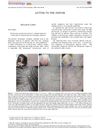 July 2021 in “Australasian Journal of Dermatology”
 The trichoscopy-assisted hair pull test is useful for diagnosing different types of hair loss.
September 2001 in “Swiss Medical Forum ‒ Schweizerisches Medizin-Forum”  January 2020 in “Journal of Current Medical Research and Practice”
 Hair loss in Egyptian patients without scarring was studied, and it was found to significantly affect their quality of life.
January 2018 in “Archivio istituzionale della ricerca (Alma Mater Studiorum Università di Bologna)” Prompt veterinary care and proper diagnosis are crucial for treating rare fungal skin diseases in horses.
 April 2026 in “Research Square”
 Trichoscopy is reliable for diagnosing different types of frontal non-scarring hair loss.
 February 2009 in “Journal of The American Academy of Dermatology”
 Female hair loss can be diagnosed using specific trichoscopy criteria.
37 citations
,
August 2009 in “Journal of the American Academy of Child & Adolescent Psychiatry” Trichotillomania is a chronic hair-pulling disorder that starts in early teens and causes distress and hair loss.
January 2011 in “Linchuang pifuke zazhi” 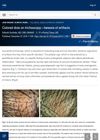 5 citations
,
December 2018 in “Journal of The American Academy of Dermatology”
5 citations
,
December 2018 in “Journal of The American Academy of Dermatology” Some hair products can create false signs on scalp examinations, leading to wrong diagnoses.
 April 2024 in “Clinical dermatology review (Print)”
 Trichoscopy is an effective, noninvasive method for early diagnosis of Female Pattern Hair Loss.
 November 2024 in “Medicina”
 Recognizing scalp symptoms in PRP is crucial for proper diagnosis and treatment.
2 citations
,
June 2024 in “Skin Appendage Disorders” Trichoscopy helps diagnose frontal fibrosing alopecia in Caucasians, but more research is needed.
 January 2021 in “Revista brasileira de higiene e sanidade animal”
 A dog with skin lesions was successfully treated for a human-type fungal infection.
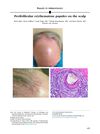 January 2016 in “Journal of The American Academy of Dermatology”
 The woman has a type of scarring hair loss with red bumps around hair follicles.