11 citations
,
July 2019 in “Pediatric dermatology” Children with alopecia areata have different trichoscopic features than adults, including more empty follicular openings and pigtail hairs.
 2 citations
,
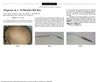
August 1994 in “Archives of dermatology”
2 citations
,
August 1994 in “Archives of dermatology” A 19-month-old boy with a rare hair disorder showed mild improvement with treatment, but his family chose gentle hair care due to limited success.
 18 citations
,
March 2015 in “Journal of Dermatological Case Reports”
18 citations
,
March 2015 in “Journal of Dermatological Case Reports” Rectangular black granules, solitary yellow dots, and mostly single-hair follicles suggest Loose Anagen Hair Syndrome.
4 citations
,
January 2011 in “International Journal of Trichology” Treating scalp issues in hair-pulling disorder helps hair regrow and reduces itch.
January 2015 in “Nasza Dermatologia Online” Monilethrix causes fragile, patchy hair loss.
33 citations
,
February 2011 in “International Journal of Dermatology” Orange spots in scalp trichoscopy can help diagnose scalp sarcoidosis.
5 citations
,
June 2014 in “Pediatric dermatology” A baby girl grew extra hair from contact with her grandfather's hair medicine, but it went away after stopping exposure.
October 2025 in “Portuguese Journal of Dermatology and Venereology” Accurate diagnosis of facial skin tumors requires detailed analysis to distinguish between benign and malignant types.
 1 citations
,
March 2022 in “Berkala Ilmu Kesehatan Kulit dan Kelamin/Berkala ilmu kesehatan kulit dan kelamin (Periodical of dermatology and venerology)”
1 citations
,
March 2022 in “Berkala Ilmu Kesehatan Kulit dan Kelamin/Berkala ilmu kesehatan kulit dan kelamin (Periodical of dermatology and venerology)” Trichoscopy helps diagnose and monitor the treatment of fungal scalp infections in children.
 5 citations
,
March 2009 in “Pediatric Dermatology”
5 citations
,
March 2009 in “Pediatric Dermatology” The study found that pili bifurcati causes hair to intermittently split into two branches, each with its own outer layer.
 December 2024 in “Archiv Euromedica”
 Trichoscopy is essential for diagnosing and treating autoimmune cicatricial alopecia early.
 November 2025 in “International Journal Of Ayurvedic And Herbal Medicine”
 A multidisciplinary approach effectively improves trichotillomania without side effects.
 69 citations
,
January 2015 in “Current problems in dermatology”
69 citations
,
January 2015 in “Current problems in dermatology” Trichoscopy is a quick, noninvasive method to diagnose hair and scalp disorders, often reducing the need for biopsies.
1 citations
,
April 2018 in “Journal of Investigative Dermatology” The Trichodysplasia spinulosa virus protein can cause abnormal hair growth in mice.
 32 citations
,
January 2014 in “Dermatology Research and Practice”
32 citations
,
January 2014 in “Dermatology Research and Practice” Trichoscopy can effectively tell apart tinea capitis and alopecia areata in children by looking for specific hair shapes.
November 2021 in “International Journal of Trichology” Trichoscopy is effective for diagnosing and monitoring female pattern hair loss.
 9 citations
,
June 2017 in “Journal of Cutaneous Pathology”
9 citations
,
June 2017 in “Journal of Cutaneous Pathology” People with pemphigus vulgaris and pemphigus foliaceus often have smaller sebaceous glands on their scalp.
 2 citations
,
March 2019 in “Journal of Dermatology”
2 citations
,
March 2019 in “Journal of Dermatology” Trichoscopy helped diagnose and treat a woman with two different types of hair loss.
 23 citations
,
November 2014 in “Anais Brasileiros de Dermatologia”
23 citations
,
November 2014 in “Anais Brasileiros de Dermatologia” Trichoscopy helps tell apart scalp lesions in pemphigus vulgaris and pemphigus foliaceus and is useful for choosing biopsy locations.
 2 citations
,
January 2017 in “Przegla̧d dermatologiczny”
2 citations
,
January 2017 in “Przegla̧d dermatologiczny” Two trichoscopic patterns found in hair loss: diffuse fibrotic and androgenetic alopecia, affecting treatment choice and regrowth chances.
3 citations
,
December 2013 in “American Journal of Dermatopathology” A rare skin growth in a baby was successfully removed without coming back.
3 citations
,
January 2020 in “International journal of trichology” Congenital triangular alopecia is a hair loss condition present from birth or early childhood with no effective treatment needed.
 January 2015 in “Hair therapy & transplantation”
 New hair and scalp disease diagnosis methods are important for correct treatment.
January 2011 in “Yearbook of Dermatology and Dermatologic Surgery” January 2011 in “대한피부과학회지” A 7-year-old girl was diagnosed with trichothiodystrophy due to low sulfur levels in her hair.
March 1983 in “International Journal of Dermatology” Minoxidil can cause excessive hair growth.
1 citations
,
June 2011 in “Journal of Dermatological Case Reports” Shaving and applying erythromycin cream and clotrimazole powder effectively treated trichomycosis axillaris.
 January 2019 in “Global Dermatology”
 Genetic hair shaft abnormalities can be seen with microscopes and often affect scalp hair.
 2 citations
,
March 2023 in “Skin research and technology”
2 citations
,
March 2023 in “Skin research and technology” Temporal triangular alopecia in infants is mostly seen in males at birth, with unique features that help with diagnosis.
 March 2021 in “CRC Press eBooks”
 Trichoscopy helps tell apart Lichen planopilaris and Frontal fibrosing alopecia from other hair loss conditions.