
An automated system can accurately classify hair disorders using image analysis.
2 citations
,
January 1993 Trichohyalin is a versatile protein involved in hair and skin structure.
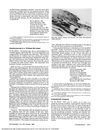 October 1990 in “Archives of Dermatology”
 Hair loss and growth can be accurately measured using computer-assisted counting.
 May 2026 in “Journal of Cutaneous and Aesthetic Surgery”
 Trichoscopy helps monitor changes and detect issues after hair transplants.
5 citations
,
December 2023 in “Journal of the European Academy of Dermatology and Venereology”  1 citations
,
May 2019 in “Journal of The American Academy of Dermatology”
1 citations
,
May 2019 in “Journal of The American Academy of Dermatology” Mobile app ImageMeter calculates scalp area faster and reliably for alopecia treatment.
 October 2025 in “Indian Dermatology Online Journal”
 Cultural practices can influence trichotillomania, requiring culturally sensitive treatment.
14 citations
,
January 2003 in “Skin Research and Technology” The new scalp coverage scoring method accurately measures hair loss and growth in men.
22 citations
,
May 1986 in “Clinics in endocrinology and metabolism” Certain finger length ratios and body hair patterns may predict side effects from birth control pills in women.
 6 citations
,
November 1980 in “Clinical Endocrinology”
6 citations
,
November 1980 in “Clinical Endocrinology” Measuring plasma testosterone glucosiduronate is a reliable way to detect high male hormone levels in women.

The TrichoConcept™ line is effective for personalized hair loss treatments.
2 citations
,
January 2006 in “Indian Journal of Veterinary Pathology” Trichophyton mentagrophytes causes skin issues and nutrient deficiencies in young sheep, especially in winter.
January 2019 in “Revista Dermatológica Centro Uraga” Alopecia triangular temporal is a rare condition with unclear causes and treatment, but trichoscopy helps in diagnosis.
 13 citations
,
January 2012 in “International Journal of Trichology”
13 citations
,
January 2012 in “International Journal of Trichology” Most hirsutism patients had idiopathic hirsutism or PCOS, with hormonal imbalances and signs like acne and irregular periods.
36 citations
,
November 2005 in “Forensic Science International” BioPlex-11 improves DNA profiling from telogen hair roots in forensic work.
 7 citations
,
January 2016 in “Laboratory Investigation”
7 citations
,
January 2016 in “Laboratory Investigation” TR3 is mainly found in hair follicle stem cells and may be involved in hair loss.
January 1998 in “Dermatology” January 1991 in “Dermatology” January 1986 in “Dermatology”  16 citations
,
March 2013 in “The Journal of Dermatology”
16 citations
,
March 2013 in “The Journal of Dermatology” Low TRPS1 expression in skin and hair cells is linked to hair problems in Trichorhinophalangeal syndrome.
53 citations
,
March 2006 in “Biopolymers” TTD hair is brittle due to fewer sulfur amino acids and unstable disulfide bonds.
 February 2026 in “Medical Science and Discovery”
 Early diagnosis and comprehensive treatment can significantly improve trichotillomania in children.
 5 citations
,
February 2014 in “PubMed”
5 citations
,
February 2014 in “PubMed” The document concludes that objective methods are important for diagnosing different types of alopecia and monitoring treatment, and standardizing these techniques is necessary.
 March 2021 in “Revista Medicina Cutánea Ibero-Latino-Americana”
 Trichoscopy helps diagnose scarring alopecia early and non-invasively.
 41 citations
,
December 2008 in “International Journal of Dermatology”
41 citations
,
December 2008 in “International Journal of Dermatology” South Korean women with hair loss have lower hair density and thickness compared to healthy women.
4 citations
,
March 2024 in “Journal of the American Academy of Dermatology” Clinical signs don't match inflammation levels in lichen planopilaris and frontal fibrosing alopecia.
7 citations
,
November 2006 in “Journal of immunological methods” The method can help diagnose and monitor diabetes by analyzing hair.
March 2026 in “Frontiers in Medicine” A hybrid model using traditional methods, trichoscopy, and AI improves hair loss assessment.
47 citations
,
November 1966 in “Archives of Dermatology” Trichorrhexis nodosa is mainly caused by hair trauma, not a metabolic defect.
14 citations
,
July 2007 in “International Journal of Cosmetic Science” The new 3D imaging method accurately measures hair surface details quickly.