 June 2021 in “Scholars journal of applied medical sciences”
 Trichofolliculoma, a rare benign hair follicle tumor, can potentially recur.
11 citations
,
November 1996 in “Pediatric dermatology” Trichostasis spinulosa can look like acne but usually affects adults, not children.
Trichotillometry can measure hair plucking force, aiding alopecia treatment evaluation.
69 citations
,
August 2006 in “Behavior Therapy” Group behavior therapy reduces hair-pulling symptoms more than supportive therapy but has limited long-term effectiveness.
6 citations
,
December 2018 in “Ophthalmic Plastic and Reconstructive Surgery” Afatinib can cause eyelash and eyebrow issues, leading to eye irritation and pain.
January 2026 in “Clinical Case Reports” A 6-year-old girl had both monilethrix and trichorrhexis nodosa, causing brittle hair, with minimal improvement from treatment.
4 citations
,
January 2018 in “Indian dermatology online journal” Trichoscopy helped diagnose and cure a child's hair loss caused by a fungal infection.
 16 citations
,
March 2013 in “The Journal of Dermatology”
16 citations
,
March 2013 in “The Journal of Dermatology” Low TRPS1 expression in skin and hair cells is linked to hair problems in Trichorhinophalangeal syndrome.
A neck lesion misdiagnosed as benign was later treated successfully with Mohs Micrographic Surgery.
Improved nutrition quickly healed the patient's skin lesions.
2 citations
,
January 2018 in “Open journal of stomatology” Tongue cancer cells show more plectin-1 than non-cancer cells, but both have similar levels of trichohyalin.
 July 2021 in “Australasian Journal of Dermatology”
 The trichoscopy-assisted hair pull test is useful for diagnosing different types of hair loss.
 24 citations
,
May 2012 in “International Journal of Dermatology”
24 citations
,
May 2012 in “International Journal of Dermatology” The document concludes that eyelash trichomegaly, which is the abnormal growth of eyelashes, can be present from birth, caused by diseases, or result from certain medications.
 June 2022 in “IP Indian journal of clinical and experimental dermatology”
 A woman had a rare, non-cancerous skin growth on her face, which was removed and did not come back after a year.
 January 2016 in “Elsevier eBooks”
 Trichoscopy is a key method for dermatologists to quickly and effectively diagnose hair and scalp conditions.
February 2023 in “International Journal of Advanced Research” Trichoscopy is a cost-effective and non-invasive tool for diagnosing alopecia areata.
January 2026 in “Indian Journal of Ophthalmology - Case Reports” Trichilemmal cysts can appear on children's eyelids and may be mistaken for other conditions.
January 2023 in “Clinical and Experimental Dermatology” Oral minoxidil may help improve fragile hair.
7 citations
,
March 2004 in “Journal of the American Academy of Dermatology” Tiger tail banding and hair abnormalities are reliable indicators for diagnosing trichothiodystrophy.
Asian patients show different trichoscopy features compared to Caucasians, like thicker hair and different alopecia signs.
1 citations
,
March 2013 in “British Journal of Dermatology” Recognizing eyebrow hair loss linked to a rare skin condition is crucial for proper treatment.
 January 2008 in “Journal of The American Academy of Dermatology”
 Trichoscopy is a helpful and quick method to identify different types of hair loss in women.
28 citations
,
January 1985 in “Journal of the American Academy of Dermatology” A girl with citrullinemia developed pili torti, suggesting a link between the hair condition and the metabolic disorder.
 1 citations
,
November 2017 in “Skin appendage disorders”
1 citations
,
November 2017 in “Skin appendage disorders” Ingrown hairs are a common feature in scarring alopecias due to follicular damage.
January 2002 in “Linchuang pifuke zazhi” A young woman had a rare scalp tumor usually found in older women.
Trichohyalin, a protein from pig tongue, was purified and found to have a filamentous structure.
1 citations
,
September 2023 in “Portuguese Journal of Dermatology and Venereology” Trichoscopy can help diagnose and decide when to biopsy folliculotropic mycosis fungoides.
 9 citations
,
January 2017 in “Annals of Dermatology”
9 citations
,
January 2017 in “Annals of Dermatology” The study found genetic differences related to hair development that may explain hair loss in a patient with Trichorhinophalangeal syndrome type I.
8 citations
,
February 2021 in “Comprehensive psychiatry” People with trichotillomania or skin picking disorder generally sleep worse than those without these conditions.
 3 citations
,
March 2018 in “Pediatric Dermatology”
3 citations
,
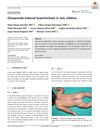
March 2018 in “Pediatric Dermatology” Two children grew extra hair from taking omeprazole, which went away after they stopped the medication.