 May 2026 in “Journal of Basic and Clinical Health Sciences”
 FAGA shows varied hair thickness, while TE has more empty follicles.
 July 2024 in “International Journal of Dermatology Venereology and Leprosy Sciences”
 Trichoscopy is a useful, painless tool for diagnosing and monitoring children's hair and scalp issues.
 62 citations
,
October 2016 in “Dermatologic Therapy”
62 citations
,
October 2016 in “Dermatologic Therapy” PRP more effective than minoxidil 5% for treating alopecia areata.
 53 citations
,
February 2017 in “Journal of The American Academy of Dermatology”
53 citations
,
February 2017 in “Journal of The American Academy of Dermatology” The conclusion is that high-potency steroids or tacrolimus are effective treatments for erosive pustular dermatosis of the scalp.
 47 citations
,
December 2020 in “Journal of the European Academy of Dermatology and Venereology”
47 citations
,
December 2020 in “Journal of the European Academy of Dermatology and Venereology” The document concludes that understanding and treating hair loss requires recognizing its various types and using appropriate diagnostic tools and treatments.
 45 citations
,
January 2012 in “International Journal of Trichology”
45 citations
,
January 2012 in “International Journal of Trichology” Trichoscopy is better than trichogram for diagnosing female hair loss.
 42 citations
,
June 2012 in “Clinical and Experimental Dermatology”
42 citations
,
June 2012 in “Clinical and Experimental Dermatology” Black dots under trichoscopy can appear in different hair and scalp conditions, not just in alopecia areata.
 37 citations
,
January 2017 in “International Journal of Dermatology”
37 citations
,
January 2017 in “International Journal of Dermatology” Trichoscopy helps tell apart alopecia areata and trichotillomania in Asians by looking at specific hair and scalp features.
 36 citations
,
August 2018 in “Dermatologic Clinics”
36 citations
,
August 2018 in “Dermatologic Clinics” Trichoscopy is a useful tool for diagnosing hair disorders without pulling out hair.
 31 citations
,
February 2020 in “BioMed Research International”
31 citations
,
February 2020 in “BioMed Research International” Thai people's hair density decreases with age and varies by scalp area, but hair thickness stays the same regardless of age or scalp area.
 23 citations
,
July 2018 in “Journal of Cosmetic Dermatology”
23 citations
,
July 2018 in “Journal of Cosmetic Dermatology” Chemotherapy caused hair loss with specific patterns, but most patients had hair regrowth after treatment, while some had lasting hair loss.
 18 citations
,
July 2018 in “Skin appendage disorders”
18 citations
,
July 2018 in “Skin appendage disorders” Trichoscopy helps diagnose hair and scalp disorders in dark-skinned people by identifying unique patterns.
 14 citations
,
August 2019 in “Journal of Dermatological Treatment”
14 citations
,
August 2019 in “Journal of Dermatological Treatment” 10% minoxidil solution better promotes hair growth and reduces hair loss without significant side effects.
 2 citations
,
December 2019 in “Journal of Dermatological Treatment”
2 citations
,
December 2019 in “Journal of Dermatological Treatment” Metabolic syndrome reduces effectiveness of hair loss treatment.
 1 citations
,
January 2017 in “International Journal of Dermoscopy”
1 citations
,
January 2017 in “International Journal of Dermoscopy” A dermatoscope is important for evaluating hair transplants and managing patient expectations.
 June 2026 in “Indian Journal of Dermatology Venereology and Leprology”
 Scalp discoid lupus erythematosus shows two distinct patterns in skin of color.
 April 2026 in “Research Square”
 Trichoscopy is reliable for diagnosing different types of frontal non-scarring hair loss.
Higher cannabis exposure may lead to increased hair loss.
 March 2025 in “Forum Dermatologicum”
 Trichoscopy is crucial for accurately diagnosing fibrosing alopecia in pattern distribution.
 January 2023 in “Asian Journal of Pediatric Research”
 Trichoscopy is crucial for diagnosing and assessing alopecia areata in children.
 January 2020 in “Revista da Sociedade Portuguesa de Dermatologia e Venereologia”
 Frontal fibrosing alopecia in Brazil mostly affects postmenopausal women, often linked with hypothyroidism and eyebrow hair loss.
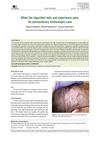 January 2026 in “Forum Dermatologicum”
 Thorough hair examination is crucial for accurate diagnosis and treatment.
 March 2014 in “Journal of The American Academy of Dermatology”
 Azathioprine may help with severe hair loss, a new topical treatment could counteract hair thinning, and trichoscopy can diagnose hair-pulling disorder effectively.
 89 citations
,
March 2018 in “The Journal of Dermatology”
89 citations
,
March 2018 in “The Journal of Dermatology” Trichoscopy helps diagnose and monitor alopecia areata by looking at a combination of specific hair and scalp features.
 86 citations
,
October 2013 in “Dermatologic Clinics”
86 citations
,
October 2013 in “Dermatologic Clinics” Trichoscopy is a useful non-invasive method for diagnosing different hair loss conditions.
 45 citations
,
January 2015 in “Dermatology”
45 citations
,
January 2015 in “Dermatology” Hair loss in secondary syphilis is more common than thought and can be reversed with antibiotics.
 43 citations
,
August 2013 in “Pediatric Dermatology”
43 citations
,
August 2013 in “Pediatric Dermatology” Trichoscopy is good for diagnosing and monitoring hair and scalp problems in children but needs more research for certain conditions.
 34 citations
,
April 2016 in “International Journal of Dermatology”
34 citations
,
April 2016 in “International Journal of Dermatology” Trichoscopy is a useful method for identifying primary cicatricial alopecias and their specific types.
 29 citations
,
January 2019 in “Journal of the European Academy of Dermatology and Venereology”
29 citations
,
January 2019 in “Journal of the European Academy of Dermatology and Venereology” Trichoscopy is useful for diagnosing and monitoring systemic lupus erythematosus, with certain hair and scalp changes indicating more active disease.
 5 citations
,
May 2008 in “Nature Precedings”
5 citations
,
May 2008 in “Nature Precedings” Trichoscopy is a useful non-invasive method to diagnose female hair loss with high accuracy.