135 citations
,
October 1997 in “Journal of biological chemistry/The Journal of biological chemistry” Trichohyalin is modified by enzymes to form strong structures in hair cells.
April 2013 in “The FASEB Journal” Dutasteride showed some prevention of prostate issues but also had limitations, especially with high-grade tumors.
April 2021 in “Journal of Investigative Dermatology” 37 citations
,
February 2005 in “Journal of Investigative Dermatology” Overexpression of SSAT causes hair loss and skin issues, but reducing putrescine can help.
30 citations
,
February 1996 in “Journal of Investigative Dermatology”  June 2023 in “Current Issues in Molecular Biology”
 DN106212, an extract from a plant, is better at promoting hair growth than other tested substances by affecting hair growth factors and follicle development.
87 citations
,
August 1974 in “Journal of Investigative Dermatology”  48 citations
,
November 2017 in “Journal of the American Academy of Dermatology”
48 citations
,
November 2017 in “Journal of the American Academy of Dermatology” Tofacitinib 2% ointment helped hair regrow in 3 out of 10 patients with alopecia areata, but caused side effects like scalp irritation and raised cholesterol in some.
 July 2025 in “Pharmaceuticals”
 Phenobarbital-loaded chitosan nanoparticles are promising for preventing hair loss from chemotherapy.
6 citations
,
August 2024 in “The Journal of Dermatology” Ozenoxacin reduces sebum production, helping manage acne.
65 citations
,
February 2011 in “Molecular cancer therapeutics” CCT128930 is a promising new drug that effectively targets and inhibits a cancer-related protein, showing potential for cancer treatment.
12 citations
,
November 2024 in “Plants” Phytosterols may help manage prostate issues but are less effective than synthetic drugs.
November 2025 in “FEBS Open Bio” JAK/STAT1 pathway causes hair loss during chemotherapy by reducing Shh in hair follicles.
1 citations
,
October 2021 in “Journal of Investigative Dermatology”  January 2007 in “Acta Veterinaria Brno”
 Trilostane treatment successfully restored hair growth in a dog with alopecia X.
 January 2024 in “Pediatric Dermatology”
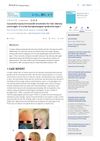
 Minoxidil improved hair growth in a child with a rare genetic disorder.
3 citations
,
June 2021 in “Frontiers in genetics” The protein STAT3 slows down cell growth by blocking the FST gene, which affects hair development in sheep.
November 2024 in “Elsevier eBooks”  November 2023 in “Translational Medicine Communications”
 Derinat may improve hair growth and quality of life in hair loss patients by reducing oxidative stress.
24 citations
,
December 2013 in “Archives of Dermatological Research”  25 citations
,
February 2013 in “The journal of investigative dermatology/Journal of investigative dermatology”
25 citations
,
February 2013 in “The journal of investigative dermatology/Journal of investigative dermatology” Blocking SCD1 in the skin with XEN103 shrinks sebaceous glands in mice.
Minoxidil and a solvent mixture can prevent hair loss caused by chemotherapy in mice.
1 citations
,
June 2011 in “Journal of Dermatological Case Reports” Shaving and applying erythromycin cream and clotrimazole powder effectively treated trichomycosis axillaris.
January 2026 in “Indian Journal of Paediatric Dermatology” Trichoscopy effectively diagnoses and monitors treatment in children with tinea capitis.
13 citations
,
January 2018 in “International Journal of Trichology” Intralesional triamcinolone injections can effectively stop frontal fibrosing alopecia with minimal side effects.
42 citations
,
July 2017 in “Molecular therapy” A form of vitamin E promotes hair growth by activating a specific skin pathway.
65 citations
,
January 2012 in “International Journal of Trichology” N-acetylcysteine may help treat trichotillomania.
 July 2023 in “Skin Research and Technology”
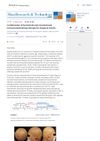
 Baricitinib combined with other immune therapies may safely and effectively treat severe scalp hair loss.
9 citations
,
October 2025 in “MedComm” PROTACs offer new ways to treat hard-to-target diseases, with promising drugs for cancer in advanced trials.
 March 2025 in “Pakistan Journal of Health Sciences”
 Intralesional steroids improve Alopecia Areata, and trichoscopy effectively tracks this improvement.