 1 citations
,
October 2024 in “Dermatology Practical & Conceptual”
1 citations
,
October 2024 in “Dermatology Practical & Conceptual” Reflectance confocal microscopy is a promising non-invasive tool for diagnosing alopecia areata incognita.
144 citations
,
May 1990 in “Journal of the American Academy of Dermatology” December 2025 in “Y HOC TP HO CHI MINH” The Trichoscope is a valuable tool for diagnosing and monitoring hair loss conditions.
Onabotulinumtoxin-A effectively treated a painful scalp condition when other treatments failed.
 3 citations
,
July 2008 in “British journal of dermatology/British journal of dermatology, Supplement”
3 citations
,
July 2008 in “British journal of dermatology/British journal of dermatology, Supplement” Terbinafine can cause hair loss.
May 2025 in “Apollo Medicine” Trichoscopy is a useful tool for diagnosing and assessing the severity of alopecia areata.
29 citations
,
February 2019 in “Pediatric dermatology” Trichotillomania shows specific signs like black dots and uneven hair lengths but lacks certain features of alopecia areata.
September 2021 in “CRC Press eBooks” Traumatic alopecia causes hair loss from pulling or rubbing, leading to broken hairs and changes in the scalp.
 September 2023 in “Journal of the American Academy of Dermatology”
 Oral terbinafine is more effective than griseofulvin for treating certain scalp infections in children.
 July 2021 in “Australasian Journal of Dermatology”
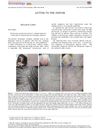
 The trichoscopy-assisted hair pull test is useful for diagnosing different types of hair loss.
11 citations
,
March 2016 in “PubMed” Tinea capitis in adults is best treated with oral terbinafine, but other medications may be needed for resistant infections, and family and pets should be checked to prevent reinfection.
 April 2023 in “Dermatology practical & conceptual”
 Tacrolimus solution is effective and well-tolerated for treating inflammatory scalp conditions.
October 2022 in “Our Dermatology Online” The Trust tonic is more effective than minoxidil for treating hair loss.
 2 citations
,
April 2015 in “Dermatology practical & conceptual”
2 citations
,
April 2015 in “Dermatology practical & conceptual” Daily use of antifungal shampoo can hide symptoms and make it hard to diagnose fungal scalp infections.
 September 2021 in “Mağallaẗ al-Muẖtar li-l-ʿulūm”
 Two sisters have rare hair disorders causing short, fragile, kinky hair.
 June 2020 in “Journal of cosmetic medicine”
 TriCell CD34+ cell-containing PRP therapy improves hair thickness and density in alopecia patients without side effects.
 12 citations
,
January 2014 in “The Pan African medical journal”
12 citations
,
January 2014 in “The Pan African medical journal” Minoxidil caused unwanted hair growth in a child, but stopped after stopping treatment.
 January 2026 in “International Journal of Research and Innovation in Applied Science”
 Recognizing specific markers is crucial for correctly diagnosing and treating rare multifocal MPTT in males.
10 citations
,
January 1997 in “Dermatology” Two siblings were diagnosed with Trichothiodystrophy, identified by brittle hair and low sulfur content.
January 2023 in “Journal of Clinical and Diagnostic Research” Trichoscopic patterns often overlap in scalp disorders, so dermatologists need to stay updated.
 40 citations
,
January 1996 in “Journal of Dermatological Treatment”
40 citations
,
January 1996 in “Journal of Dermatological Treatment” Antimicrobial lotion reduces inflammation and increases hair density in hair loss patients.
Tianqi trichogen boosts hair growth in animals without causing allergies.
 44 citations
,
March 1991 in “International Journal of Dermatology”
44 citations
,
March 1991 in “International Journal of Dermatology” Prompt treatment of inflammatory tinea capitis (kerion) is crucial to prevent scarring and hair loss.
 January 2023 in “Journal of Cosmetics, Dermatological Sciences and Applications”
 The hair growth serum Trichosera® was effective in increasing hair regrowth and density and reducing hair fall without significant side effects.
11 citations
,
April 1997 in “International Journal of Dermatology” Using tretinoin with triamcinolone acetonide helps treat alopecia areata.
50 citations
,
July 2015 in “Journal of the American Academy of Dermatology” Using 2.5 mg/mL triamcinolone acetonide is effective for hair growth in alopecia areata with fewer side effects.
March 2023 in “Journal of Cosmetic Dermatology” Trichoscopy is effective for diagnosing scalp ACC in darker skin tones.
December 2022 in “Zenodo (CERN European Organization for Nuclear Research)” Microneedling with minoxidil is most effective for reducing hair loss and increasing hair volume.
May 2014 in “Dermatology Times” January 2021 in “Skin Appendage Disorders”