48 citations
,
July 1993 in “Archives of Dermatological Research” Merkel cells are abundant in facial vellus hair follicles, especially during the anagen phase.
 23 citations
,
November 2014 in “Anais Brasileiros de Dermatologia”
23 citations
,
November 2014 in “Anais Brasileiros de Dermatologia” Trichoscopy helps tell apart scalp lesions in pemphigus vulgaris and pemphigus foliaceus and is useful for choosing biopsy locations.
January 2003 in “Linchuang pifuke zazhi” A benign skin tumor was removed from a man's leg, and it didn't come back after 9 months.
18 citations
,
September 1994 in “Clinical and Experimental Dermatology” Localized trichorrhexis nodosa is a hair condition where hair becomes fragile and breaks easily due to damage.
 October 2023 in “Indian journal of ophthalmology. Case reports”
 A woman lost vision in one eye after a forehead injection, but prompt treatment led to partial vision recovery.
 13 citations
,
February 2020 in “Journal of the American Academy of Dermatology”
13 citations
,
February 2020 in “Journal of the American Academy of Dermatology” Microneedling and oral tranexamic acid both improve facial melasma, but microneedling shows more sustained benefits.
12 citations
,
January 2001 in “Der Hautarzt” Trichorhinophalangeal syndrome causes hair, facial, and bone issues, with no specific treatment beyond gentle care.
 6 citations
,
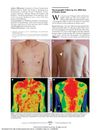
September 2010 in “Archives of Dermatology”
6 citations
,
September 2010 in “Archives of Dermatology” Thermography matched the patient's pain levels in a shingles case and might help diagnose shingles without a rash.
11 citations
,
March 2002 in “Pediatric Dermatology” Temporal triangular alopecia is a non-scarring hair loss seen in some Asian children.
 62 citations
,
June 2015 in “Sexually Transmitted Infections”
62 citations
,
June 2015 in “Sexually Transmitted Infections” Sexual activity can spread T. interdigitale, needing quick antifungal treatment to avoid permanent scarring.
 1 citations
,
January 2025 in “medRxiv”
1 citations
,
January 2025 in “medRxiv” Trichotillomania may have a genetic link to psychiatric disorders.
16 citations
,
May 2017 in “Journal of Clinical Ultrasound” A rare finger tumor was imaged, showing a unique pattern not seen before.
 2 citations
,
January 2023 in “BioMed Research International”
2 citations
,
January 2023 in “BioMed Research International” The secretome from mesenchymal stromal cells shows promise for improving facial nerve injury treatment.
A new mutation in the TRPS1 gene caused Trichorhinophalangeal syndrome in a 17-year-old, highlighting the need for genetic testing.
August 2025 in “Scientific Reports” Itchy keloids on the chest are linked to more nerve fibers and substance P.
December 2025 in “Pediatric Dermatology” Trametinib can cause skin issues, but they can often be managed without stopping the drug.
 February 2024 in “Journal of medical science and clinical research”
 Radiotherapy effectively treated a large scalp tumor in an elderly woman, avoiding surgery.
2 citations
,
November 2020 in “The American journal of dermatopathology/American journal of dermatopathology” Sweat duct differentiation in trichilemmal cysts is very rare and can be successfully removed with surgery.
19 citations
,
March 2013 in “Headache The Journal of Head and Face Pain” A woman's headache and hair loss were relieved by Botox injections.
March 2024 in “Likarska sprava” Improving local anesthesia methods can enhance hair transplantation.
 April 2018 in “Journal of Investigative Dermatology”
 STIM1 is essential for sweat secretion.
35 citations
,
September 2004 in “American Journal of Dermatopathology” A rare nail bed cancer was successfully treated with no recurrence after 4 years.
2 citations
,
January 1993 Trichohyalin is a versatile protein involved in hair and skin structure.
4 citations
,
November 2024 in “Journal of Advanced Research” Targeting NMMHC IIA may help treat blood-brain barrier damage.
December 2022 in “Stem Cells and Development” Exosomes from stem cells help improve nerve repair in rats.
1 citations
,
January 2003 Merkel cells likely attract sensory nerve fibers.
 5 citations
,
May 2021 in “BMC surgery”
5 citations
,
May 2021 in “BMC surgery” A man's unusual scalp folds caused by a skin condition were treated with surgery and remained unchanged two years later.
2 citations
,
April 2014 in “PubMed” Epidermal neural crest stem cells from hair follicles can help repair nerve injuries.
19 citations
,
February 2013 in “Journal of Investigative Dermatology” Touch domes in human skin are complex sensory structures not directly linked to hair.
12 citations
,
August 1988 in “Histopathology” The tumor likely shows dual neural crest differentiation.