Search
for
Sort by
Research
300-330 / 1000+ resultsresearch Rational Design and Synthesis of 4-((1R,2R)-2-Hydroxycyclohexyl)-2(trifluoromethyl)benzonitrile (PF-998425), a Novel, Nonsteroidal Androgen Receptor Antagonist Devoid of Phototoxicity for Dermatological Indications
PF-998425 is a new, effective, and non-phototoxic treatment for skin conditions related to androgens.
research peri ‐Xanthenoxanthene (PXX): a Versatile Organic Photocatalyst in Organic Synthesis
PXX is an effective and affordable photocatalyst for creating new chemical bonds in organic synthesis.
research Synthetically programmed antioxidant delivery by a domesticated skin commensal
Engineered bacteria can deliver antioxidants to protect skin.
research Table 1_Evaluation of the efficacy and treatment-emergent adverse events of deuruxolitinib for moderate to severe alopecia areata: a dose-ranging meta-analysis of 1,372 randomized patients.docx
Deuruxolitinib improves hair regrowth in alopecia areata but needs more safety research.
research Treatment of Del(5q) Myelodysplastic Syndrome with All-Trans-Retinoic Acid and Tocopherol-α.
The treatment was not recommended due to limited effectiveness and significant side effects.

research Clionasterol-Rich Fraction of Caulerpa racemosa against Particulate Matter-Induced Skin Damage via Inhibition of Oxidative Stress and Apoptosis-Related Signaling Pathway
A substance from Caulerpa racemosa seaweed may protect against skin damage caused by air pollution by reducing oxidative stress and cell death.
research Clinical and dermoscopic evaluation of red light emitting diodes with beta-carotene versus red light emitting diodes alone in treatment of photoaging
Combining red LED therapy with beta-carotene is more effective for treating photoaging than red LED therapy alone.
research Metabolic pathway of Cis-UCA upon Ultraviolet B (UVB) exposure using ¹H Nuclear Magnetic Resonance (NMR) spectroscopy, Molecular Docking and cell viability of human keratinocytes (HaCaT) cell lines
Cis-UCA can form new compounds without enzymes, and sulphide donors reduce its UVB-induced toxicity in skin cells.
research Multiple layers structured polyvinyl alcohol/titanium dioxide@polydopamine/ZIF-8 composite fibers and their minoxidil-loaded composites
research Non-Steroidal Modulation of the 5-Alpha Reductase Axis: A Dual Therapeutic Strategy for Prostatic Chemoprevention and Androgenetic Alopecia
LX-38 is a safer drug option for hair loss and prostate issues without hormonal side effects.
research Quercetin rescues dihydrotestosterone-treated human dermal papilla cells via SHP2/AKT signaling to suppress autophagy and apoptosis
research Toxicologic studies with the hypotensive agent minoxidil
Minoxidil is mostly safe, but high doses can cause electrolyte imbalances and heart issues in dogs.
research 41701 Efficacy of the Oral JAK1/JAK2 Inhibitor CTP-543 (Deuruxolitinib) in Adult Patients with Moderate to Severe Alopecia Areata: Results from the Multinational Double-Blind, Placebo-Controlled THRIVE-AA1 Phase 3 Trial
CTP-543 effectively promotes hair regrowth in adults with moderate to severe alopecia areata.

research Effects of taxifolin from enzymatic hydrolysis of Rhododendron mucrotulatum on hair growth promotion
Taxifolin from Rhododendron mucronulatum may help prevent hair loss and promote hair growth.
research Safety and Clinical Efficacy of KūlarisTM, an Herbal Supplement for Mild to Severe Acne Vulgaris – A 12-Week Randomized, Double Blind, Placebo-Controlled Study
Kūlaris improved quality of life for acne sufferers without side effects.
research Non-Steroidal Modulation of the 5-Alpha Reductase Axis: A Dual Therapeutic Strategy for Prostatic Chemoprevention and Androgenetic Alopecia
LX-38 is a safer drug option for treating prostate issues and hair loss without hormonal side effects.
research Fatal Toxic Epidermal Necrolysis Associated with Minoxidil
Minoxidil can cause deadly skin reaction; monitor patients closely.
research A COMPREHENSIVE REVIEW ON TRIDAX PROCUMBENS LIN
Tridax procumbens is a plant with many health benefits, including healing, protecting the liver, fighting infections, and promoting hair growth.
research Optimization of polyphenol extraction from Eclipta prostrata L. by response surface methodology
The best way to extract antioxidants from Eclipta prostrata is using a 43:1 solvent ratio at 64°C for 97 minutes.
research Reactive Oxygen Species (ROS): Beneficial Companions of Plants’ Developmental Processes
Reactive oxygen species (ROS) help control plant growth and development.
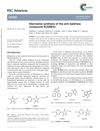
research Alternative synthesis of the anti-baldness compound RU58841
A new, less toxic and more efficient method to create the anti-baldness compound RU58841 was developed in 2014.
research Betamethasone valerate/minoxidil/tretinoin
The combination of tretinoin, minoxidil, and betamethasone valerate may cause severe scalp inflammation.
research LB1256 TRIV-509, a dual inhibitor of KLK5 and KLK7, rapidly improves barrier integrity and markers of epidermal differentiation in atopic dermatitis skin explants
TRIV-509 quickly improves skin barrier and cell health in atopic dermatitis.

research 697 Prostaglandin D2-enhanced testosterone metabolism in human keratinocytes is mediated by reactive oxygen species
Prostaglandin D2 increases testosterone levels in skin cells through reactive oxygen species, not enzymes, which could lead to new hair loss treatments.
research Ethinylestradiol/salicylic acid/swertia japonica/tocopherol acetate
Two women had skin reactions from a hair loss treatment and got better after stopping use.

research 520 The protective effects of Apocynin against ultraviolet B-induced cellular senescence in human keratinocytes
Apocynin may protect skin cells from aging and damage caused by UVB light.

research Oxidative stress in androgenetic alopecia.
People with a common type of hair loss have higher stress levels in their body, and treatments that reduce this stress could help.

research Isolation and structural identification of a novel minoxidil analogue in an illegal dietary supplement: triaminodil
A new minoxidil-like substance, triaminodil, was found in an illegal hair growth supplement.
research Human hair proteins as natural reactive oxygen species scavengers for in vitro applications
Human hair proteins, especially keratins, can protect cells from oxidative stress in lab settings.