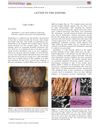
April 2019 in “Journal of Investigative Dermatology” The humanized AA mouse model is better for testing new alopecia areata treatments.
September 2019 in “Journal of Investigative Dermatology” CCCA in women of African ancestry may be caused by PADI3 gene mutations and intense hair grooming.
June 2024 in “Indian Journal of Veterinary Medicine” The dog's skin disease was successfully treated with medication and supplements.
44 citations
,
January 1957 in “Public Health Reports (1896-1970)” Animal ringworm is common and can spread to humans.
 1 citations
,
February 2018 in “Australasian journal of dermatology”
1 citations
,
February 2018 in “Australasian journal of dermatology” Advanced imaging techniques are crucial for accurately diagnosing Monilethrix, a rare hair disorder.
 May 2020 in “Research Square (Research Square)”
 Trichilemmal carcinoma shares genetic traits with other skin cancers, suggesting similar treatment options.
 December 2018 in “DergiPark (Istanbul University)”
 The cat's skin condition improved with treatment, but underlying health issues must be addressed.
 17 citations
,
August 2012 in “Journal of Medical Genetics”
17 citations
,
August 2012 in “Journal of Medical Genetics” A new mutation in the XEDAR gene might cause a rare skin condition called hypohidrotic ectodermal dysplasia.
 October 2023 in “Jurnal Ilmu Kesehatan Hewan”
 The kitten's skin condition improved significantly after 4 weeks of treatment.
 January 2026 in “International Journal of Advanced Biochemistry Research”
 The dog improved significantly after treatment and needs lifelong thyroid medication.
 7 citations
,
January 2011 in “Veterinary Pathology”
7 citations
,
January 2011 in “Veterinary Pathology” A horse with severe hair loss was diagnosed with alopecia areata and a yeast infection.
 January 2025 in “bioRxiv (Cold Spring Harbor Laboratory)”
 Potential therapeutic targets for scarring hair loss are identified.
The curly mutation in SELH/Bc mice affects hair and may help study human genetic disorders.
15 citations
,
July 2004 in “Journal of Wildlife Diseases” Ivermectin effectively treats hair loss syndrome in black-tailed deer.
25 citations
,
April 2012 in “Veterinary and comparative oncology” Megavoltage radiation therapy extended survival in rabbits with thymomas, especially in those weighing more than 1.57 kg.
8 citations
,
January 2009 in “Bulletin of the Veterinary Institute in Pulawy” A goat's skin infection was cured with itraconazole and D-biotin.
6 citations
,
March 1976 in “Journal of Investigative Dermatology”  6 citations
,
May 1941 in “Science”
6 citations
,
May 1941 in “Science” Ducks can get the Rous sarcoma virus if infected shortly after birth, leading to tumors and disease spread.
 August 2024 in “Veterinary Dermatology”
 Topical ceramide treatment partially improves the skin condition in Jack Russell Terriers with a genetic skin disorder.
46 citations
,
January 1988 in “PubMed” Hair follicle mites might spread harmful microorganisms.
 6 citations
,
August 2001 in “PubMed”
6 citations
,
August 2001 in “PubMed” The stump-tailed macaque is a good model for studying human hair loss, but it's expensive and hard to find, while rodent models are promising for understanding hair growth and finding new treatments.
1 citations
,
January 2024 in “Journal of Feline Medicine and Surgery Open Reports” Fluralaner topical spot-on successfully treated a cat's hair shedding and scales caused by Demodex gatoi.
26 citations
,
January 1993 in “Dermatology” A rare case of isolated trichothiodystrophy was identified, marked by brittle hair with low sulfur content.
16 citations
,
June 1992 in “Journal of Investigative Dermatology”  March 2024 in “Brazilian Journal of Veterinary Pathology”
 The dog likely has a canine alopecia X-like disorder.
 4 citations
,
February 2025 in “BMC Genomics”
4 citations
,
February 2025 in “BMC Genomics” Black wool in Qira sheep is linked to specific gene mutations, especially in the TYRP1 gene.
5 citations
,
October 2012 in “Australian veterinary journal” Two Australian Poll Hereford calves had severe anaemia, abnormal red blood cells, and skin issues.
 May 2019 in “Small Animal Dermatology”
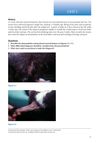
 The cat had a rare condition linked to cancer, leading to its euthanasia.
23 citations
,
August 1975 in “Experimental Biology and Medicine” Copper supplements during pregnancy improve survival and development in mutant mice.
2 citations
,
July 2001 in “Dermatologic Surgery” Trichoblastic carcinoma may be a distinct type of skin cancer different from basal cell carcinoma.