 32 citations
,
May 1995 in “Contact Dermatitis”
32 citations
,
May 1995 in “Contact Dermatitis” Minoxidil can cause allergic reactions, but testing helps identify the cause.
January 2023 in “Revista Eletrônica Acervo Saúde” Oral Minoxidil effectively treats hair loss with increased hair growth as a side effect, and low doses are generally safe.
 October 2025 in “Journal of Craniofacial Surgery”
 Chitosan and minoxidil both improve hair growth, but more research is needed on chitosan.
April 2026 in “International Journal of Dermatology”  23 citations
,
December 1995 in “Archives of Dermatology”
23 citations
,
December 1995 in “Archives of Dermatology” Combination therapy improves hair growth in advanced hair loss.
 February 2022 in “Journal of Cosmetic Dermatology”
 Using both minoxidil and flutamide together is more effective for treating hair loss than using minoxidil alone.
June 2025 in “Indus journal of bioscience research.” Oral tofacitinib is more effective than oral minoxidil for treating alopecia areata.
 102 citations
,
September 1977 in “The Lancet”
102 citations
,
September 1977 in “The Lancet” Minoxidil with propranolol and diuretics lowers blood pressure but causes fluid retention and hair growth.
1 citations
,
April 2007 in “PubMed” Tacrolimus helps mice grow hair by activating hair follicles.
253 citations
,
June 2004 in “Journal of Controlled Release” Smaller nanoparticles improve minoxidil delivery through hair follicles.
 7 citations
,
March 2015 in “British Journal of Dermatology”
7 citations
,
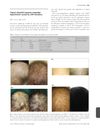
March 2015 in “British Journal of Dermatology” Applying minoxidil can help improve hair growth in people with hair loss caused by LIPH gene mutations.
 February 2025 in “Journal of Dermatological Treatment”
 Low-dose oral minoxidil improved hair growth in a woman with short anagen syndrome.
 2 citations
,
March 2015 in “Dermatologic Therapy”
2 citations
,
March 2015 in “Dermatologic Therapy” Using too much minoxidil foam can cause a rare movement disorder with facial twitching, but symptoms go away when the correct dose is used.
 April 2026 in “Zenodo (CERN European Organization for Nuclear Research)”
 Nanocarriers could improve minoxidil delivery for better hair loss treatment.
 7 citations
,
January 1990 in “Clinical and Experimental Dermatology”
7 citations
,
January 1990 in “Clinical and Experimental Dermatology” Hair loss gradually happens, and minoxidil helps regrow hair.
September 2010 in “Reactions weekly” The combination of tretinoin, minoxidil, and betamethasone valerate may cause severe scalp inflammation.
 3 citations
,
April 2010 in “Journal of Receptors and Signal Transduction”
3 citations
,
April 2010 in “Journal of Receptors and Signal Transduction” Minoxidil, a common alopecia medication, might cause eye changes due to its properties and lack of tissue selectivity.
 1 citations
,
January 2020 in “Surgical & Cosmetic Dermatology”
1 citations
,
January 2020 in “Surgical & Cosmetic Dermatology” Combining oral minoxidil with JAK inhibitors helps regrow hair in severe alopecia areata cases.
July 2022 in “British Journal of Dermatology”  November 2013 in “Journal of Mazandaran University of Medical Sciences”
 Minoxidil with caffeine works better for hair loss than minoxidil alone.
June 2025 in “OPAL (Open@LaTrobe) (La Trobe University)” Oral minoxidil can help with hair loss, but more research is needed to confirm its safety and effectiveness.
 4 citations
,
August 2020 in “Facial plastic surgery & aesthetic medicine”
4 citations
,
August 2020 in “Facial plastic surgery & aesthetic medicine” Combining growth factors with minoxidil improves hair growth more than minoxidil alone.
 December 2024 in “Asian Journal of Pharmaceutical and Clinical Research”
 Adding PRP to minoxidil and finasteride is more effective for hair loss.
 34 citations
,
January 1987 in “Dermatology”
34 citations
,
January 1987 in “Dermatology” Topical minoxidil effectively and safely treats extensive alopecia areata but doesn't change its course.
March 2023 in “Journal of Cosmetic Dermatology” Low-dose oral minoxidil improved hair growth when topical treatments failed.
June 2025 in “Journal of the American Academy of Dermatology” 
Trichosol™ with Minoxidil can boost hair growth by 20%.
 January 2013 in “Hair transplant forum international”
 Minoxidil and finasteride are effective for male hair loss; minoxidil also helps female hair loss, with some treatments needing more research.
 28 citations
,
May 1994 in “The Journal of Urology”
28 citations
,
May 1994 in “The Journal of Urology” Topical minoxidil not effective for erectile dysfunction treatment.
Low-dose oral minoxidil effectively treats hair loss with good tolerance.