14 citations
,
April 1995 in “Transplantation” Human hair follicle cells can be used to help heal and replace skin.
27 citations
,
December 1997 in “Archives of Dermatological Research” Rat dermal papilla cells have unique properties and interact differently with their environment compared to other skin cells.
February 2014 in “PubMed” Modified rat hair follicle stem cells can help create artificial hair follicles, blood vessels, and skin.
 June 2020 in “Journal of Investigative Dermatology”
 More research with diverse participants is needed to determine the effectiveness of photobiomodulation devices for hair loss treatment.
 1 citations
,
June 2019 in “Current developments in nutrition”
1 citations
,
June 2019 in “Current developments in nutrition” A patient with Ehlers-Danlos Syndrome improved after treatment for fat malabsorption and essential fatty acid deficiency.
 6 citations
,
May 2013 in “Dermatologic Surgery”
6 citations
,
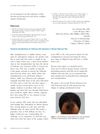
May 2013 in “Dermatologic Surgery” FUE can be successfully done on African-American hair by using larger punch tools and careful techniques to reduce hair damage.
1 citations
,
December 1989 in “PubMed” Hair follicle cells can be grown without extra support and may help in wound healing.
 1 citations
,
July 2024 in “International Journal of Innovative Science and Research Technology (IJISRT)”
1 citations
,
July 2024 in “International Journal of Innovative Science and Research Technology (IJISRT)” Stopping steroids and providing supportive care improved the patient's Cushing Syndrome symptoms and ulcers.
September 2023 in “Journal of the American Academy of Dermatology” Patients often overestimate their skin type, affecting sun protection and treatment plans.
220 citations
,
May 2017 in “JAMA dermatology” Patients with hidradenitis suppurativa have a different skin microbiome compared to healthy people.
28 citations
,
June 1994 in “Journal of Dermatological Science” Proteolytic activity in mouse skin changes with hair cycle stages, peaking in early anagen.
 1 citations
,
April 2023 in “Biomaterials advances”
1 citations
,
April 2023 in “Biomaterials advances” Gellan gum hydrogels help recreate the environment needed for hair growth cell function.
 15 citations
,
January 2003 in “Lasers in Surgery and Medicine”
15 citations
,
January 2003 in “Lasers in Surgery and Medicine” Cold air and a chilled sapphire window both protect the skin during laser treatments, and work better with water or gel, especially for darker skin.
39 citations
,
August 1998 in “FEBS Letters” Two new enzymes, PAD-R11 and PAD-R4, were cloned and showed activity, with PAD-R11 resembling epidermal enzymes.
 November 1998 in “Journal of The European Academy of Dermatology and Venereology”
 A man's skin cancer improved and some of his hair grew back after treatment with a special light therapy and a medication.
3 citations
,
July 2022 in “Indian Journal of Dermatology” ALEP is a drug-triggered skin reaction with pustules that clears up in a week after stopping the drug.
 8 citations
,
May 1998 in “Journal of Oral and Maxillofacial Surgery”
8 citations
,
May 1998 in “Journal of Oral and Maxillofacial Surgery” Acne is caused by increased sebum, abnormal skin shedding, bacteria, and inflammation, not dirt; treatments vary from creams to antibiotics or isotretinoin, with severe cases needing a dermatologist's care.
3 citations
,
May 2023 in “PLoS ONE” The professional laser is more effective than the home-use laser for hair reduction.

Tailored nonsurgical cosmetic procedures are crucial for safely treating diverse skin types, especially skin of color.
 May 2024 in “Frontiers in Immunology”
 Type-2 immunity may influence skin diseases and could be targeted for treatment.
 23 citations
,
January 2015 in “Journal of The American Academy of Dermatology”
23 citations
,
January 2015 in “Journal of The American Academy of Dermatology” People with myotonic dystrophy type 1 have a higher chance of getting skin tumors, including melanoma.
 8 citations
,
July 2011 in “Animal science journal”
8 citations
,
July 2011 in “Animal science journal” Keratin 33A is a key protein in goat winter coats, especially in high-producing breeds.
 2 citations
,
January 2001 in “Biomedical Research”
2 citations
,
January 2001 in “Biomedical Research” Trichohyalin and peptidylarginine deiminase type III are found together in rat hair follicles, with trichohyalin being modified after expression.
 August 2017 in “Journal of epidemiological research”
 Cancer rates are increasing in developed countries, with estrogen, aging, low vitamin D3, and HPV infection as common causes.
 January 2001 in “Biomedical Research”
 THH and PAD type III appear together early in hair growth, but deiminated THH appears later, suggesting another factor is involved.
 May 2019 in “Pakistan Journal of Pharmaceutical Sciences”
 Metformin can effectively treat PCOS but may cause serious side effects like joint pain and allergic reactions.
45 citations
,
August 1992 in “PubMed” The rat vibrissa follicle can quickly remodel its basement membrane during hair growth, affecting cell signaling and activity.
42 citations
,
February 2000 in “Journal of Investigative Dermatology” Type VII collagen absence helps skin development by allowing tissue remodeling.
 26 citations
,
September 2018 in “Colloids and Surfaces B: Biointerfaces”
26 citations
,
September 2018 in “Colloids and Surfaces B: Biointerfaces” A new liposome treatment helps heal deep burns on mice by improving hair regrowth and reducing scarring.
 42 citations
,
September 2018 in “Journal der Deutschen Dermatologischen Gesellschaft”
42 citations
,
September 2018 in “Journal der Deutschen Dermatologischen Gesellschaft” Adult female acne requires a comprehensive treatment approach, including medical options and lifestyle changes, with attention to psychological well-being.