 6 citations
,
May 2022 in “Frontiers in Microbiology”
6 citations
,
May 2022 in “Frontiers in Microbiology” Marine microbes could be used in cosmetics for sun protection, skin care, and possibly preventing hair loss.
 June 2026 in “Dermatology and Therapy”
 Combining multiple ingredients is the most effective treatment for hyperpigmentation.
May 2021 in “The journal of investigative dermatology/Journal of investigative dermatology” Nicastrin deficiency may cause skin cell damage and pigmentation disorders in humans, similar to effects seen in fish.
53 citations
,
July 1981 in “Journal of Endocrinology” α-MSH and cyclic AMP boost melanin production, while cyclic GMP and melatonin reduce it.
 88 citations
,
July 2014 in “Journal of the American Academy of Dermatology”
88 citations
,
July 2014 in “Journal of the American Academy of Dermatology” Targeted cancer therapies often cause skin reactions, so dermatologists must manage these effects.
33 citations
,
January 2015 in “Journal of Ginseng Research” Ginsenoside Rg3 from Panax ginseng can lighten skin by reducing melanin production.
 April 2023 in “Journal of Investigative Dermatology”
 Blocking casein kinase 1 in skin cells can help melanocyte precursors move better, potentially helping with conditions like vitiligo or gray hair.
 26 citations
,
October 2018 in “Clinical & Translational Oncology”
26 citations
,
October 2018 in “Clinical & Translational Oncology” Spanish experts provided guidelines for treating skin side effects in cancer patients on new therapies, stressing early action and teamwork.
 7 citations
,
May 2014 in “Clinical practice”
7 citations
,
May 2014 in “Clinical practice” Cooling the scalp may prevent hair loss from chemotherapy, hair often grows back after treatment, and nail issues usually improve after stopping the drug.
 1 citations
,
October 2022 in “Дерматовенерология Косметология”
1 citations
,
October 2022 in “Дерматовенерология Косметология” EGFR inhibitors for lung cancer can cause severe skin issues.
June 2025 in “British Journal of Clinical Pharmacology” Chemotherapy often causes skin and hair issues, but early management can help improve patient care.
January 2008 in “Projeto: revista mensal de arquitetura” Targeted cancer drugs can cause skin reactions, so dermatologists must manage these effects.
June 2023 in “Skin Health and Disease” New treatments are improving skin disease management and skin health.
 2 citations
,
January 2023 in “International journal of biological sciences”
2 citations
,
January 2023 in “International journal of biological sciences” Gray hair can potentially be reversed, leading to new treatments.
91 citations
,
April 2006 in “PubMed” EGFR-targeting cancer drugs can cause skin rashes and other side effects.
10 citations
,
August 2016 in “Dermatology Online Journal” Nilotinib can cause skin issues like red bumps and hair loss.
 9 citations
,
May 2013 in “JAMA Dermatology”
9 citations
,
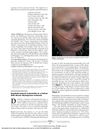
May 2013 in “JAMA Dermatology” A woman's hair turned white after taking a cancer drug called dasatinib.
8 citations
,
August 2018 in “BMJ Case Reports” Pazopanib treatment caused rapid hair color loss, possibly indicating its effectiveness.
8 citations
,
December 2007 in “Journal of Thoracic Oncology” Erlotinib can cause significant but temporary hair loss in lung cancer patients.
7 citations
,
January 2009 in “BMJ Case Reports” Gefitinib can cause slower, finer, brittle, and curly scalp hair.
5 citations
,
January 2021 in “Indian Journal of Pharmacology” Nilotinib can cause generalized keratosis pilaris.
 5 citations
,
January 2021 in “Dermatology Online Journal”
5 citations
,
January 2021 in “Dermatology Online Journal” An 84-year-old man developed a rare scalp condition from a cancer drug but continued treatment as it was otherwise well tolerated.
4 citations
,
October 2019 in “Skin Appendage Disorders” Gefitinib can cause hair and eyebrow darkening.
4 citations
,
February 2018 in “World journal of surgical oncology” A young woman with kidney cancer experienced rare hair loss from a cancer drug and unusual cancer spread, suggesting early drug treatment might reduce spread and prolong survival.
2 citations
,
November 2024 in “JAAD reviews.” Certain drugs can change hair color, either lightening or darkening it.
2 citations
,
June 2024 in “JAAD reviews.” Some drugs can cause permanent hair loss, though it's rare.
1 citations
,
December 2012 in “Journal of dermatological science” Combining ficlatuzumab and gefitinib can cause severe scarring hair loss.
 June 2025 in “BMJ Case Reports”
 Axitinib treatment turned a man's grey hair back to black.
 April 2025 in “Turkish Journal of Hematology”
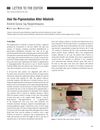
 Nilotinib may cause gray hair to return to its original color.
 October 2021 in “International journal of basic and clinical pharmacology”
 Excessive eyelash growth from erlotinib may indicate positive tumor response and help treat madarosis.