Search
for
Sort by
Research
180-210 / 1000+ results
research Systematic review and quality analysis of studies on the efficacy of topical diphenylcyclopropenone treatment for alopecia areata
Topical DPCP is somewhat effective for hair loss in alopecia areata, but more research is needed.
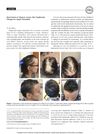
research Reactivation of Alopecia Areata After Dupilumab Therapy for Atopic Dermatitis
Dupilumab for skin problems might reactivate hair loss in some patients.
research Dutasteride/finasteride

research Dercum Disease: Exploratory Therapeutic Approaches in the Absence of Standardized Medical Treatment—A Single Center Case Series
Individualized treatments may help manage Dercum's disease symptoms.
research An Update of Congenital Adrenal Hyperplasia
Congenital Adrenal Hyperplasia is a genetic disorder with two forms, causing symptoms like early puberty and severe acne, but can be identified through screening and treated with glucocorticoids.
research Cyanidin 3-O-arabinoside suppresses DHT-induced dermal papilla cell senescence by modulating p38-dependent ER-mitochondria contacts
Cyanidin 3-O-arabinoside may help treat a common form of hair loss by protecting cells against aging and improving cell function.
research Diphencyprone in the treatment of Satoyoshi syndrome
Azathioprine treatment led to rapid hair regrowth in a woman with alopecia universalis.
research Delayed Diagnosis of Congenital Adrenal Hyperplasia Due to 3β-Hydroxysteroid Dehydrogenase Type 2 Deficiency
Consider rare forms of CAH for accurate diagnosis and treatment.
research Upadacitinib for Alopecia Areata in Different Backgrounds: A Case Series
Upadacitinib may effectively treat alopecia areata without side effects.
research Human umbilical cord mesenchymal stem cell therapy for atopic dermatitis through inhibition of neutrophil chemotaxis
Stem cell therapy from umbilical cords may help treat atopic dermatitis.

research Deuruxolitinib for Alopecia Areata.
Deuruxolitinib is approved to treat severe alopecia areata in adults.
research Diaminodiphenyl Sulfone-Induced Hemolytic Anemia and Alopecia in a Case of Linear IgA Bullous Dermatosis
DDS treatment for LABD can cause severe side effects like anemia and hair loss, requiring careful monitoring.
research Complete hair regrowth in a patient with severe alopecia areata treated with deucravacitinib
Deucravacitinib led to full hair regrowth in a severe alopecia areata patient.
research Hair-Raising News
The treatment helped some patients with severe hair loss regrow hair.
research ISIDLB1777 - A novel ex vivo model of human hair follicle immune privilege collapse reveals the potential of farudodstat, a DHODH inhibitor, as a therapeutic for alopecia areata treatment
Farudodstat may effectively treat alopecia areata by protecting hair follicles without harmful effects.
research Treatment of Alopecia Universalis in a Child with Down Syndrome
Topical treatments helped a child with Down syndrome and severe hair loss regrow most of his hair.
research Alopecia universalis with IL-12-RB1 and STAT4 mutations effectively treated with upadacitinib
Upadacitinib successfully regrew hair in a child with alopecia universalis and specific genetic mutations.
research Presumed ocular candidiasis in drug misusers after intravenous use of oral high dose buprenorphine (Subutex)
Drug misuse can cause serious eye infections and other severe side effects.
research The use of dupilumab for the treatment of alopecia areata
Dupilumab may help treat alopecia areata, but more research is needed.
research PUVA-Therapy for Alopecia Areata
PUVA-therapy is not very effective for severe hair loss types like alopecia totalis or universalis.

research LB943 Tofacitinib treatment of inflammatory skin conditions in patients with Down Syndrome
Tofacitinib helps improve skin conditions in people with Down syndrome, especially alopecia areata.
research Investigation of the hair follicle inner root sheath in scarring and non‐scarring alopecia
IRS premature desquamation is not unique to CCCA and occurs in various scarring alopecias.
research Upadacitinib in dermatologic therapy: Emerging evidence and expanding indications
Upadacitinib effectively treats skin conditions like eczema and psoriasis and is becoming more widely used and affordable.
research Dermatitis cruris pustulosa et atrophicans revisited: our experience with 37 patients in south India
DCPA is a chronic leg infection often related to Staphylococcus aureus, affecting mostly young men in India.
research Central Centrifugal Cicatricial Alopecia Associated With PDL1 Loss and Increased Expression of Caspase 3: A Case Series
CCCA may involve the PD1/PDL1 pathway and increased caspase 3, leading to permanent hair loss.
research Congenital adrenal hyperplasia due to steroid 21-hydroxylase deficiency epidemiology, etiopathogenesis, clinical presentation, treatment – a systematic review
CAH requires a multidisciplinary approach, and while current treatments help, future therapies show promise.
research Topical photochemotherapy for alopecia areata
Topical PUVA can cause temporary hair regrowth in some alopecia areata patients but doesn't change the long-term outcome.
research LINCS Dataset-Based Repositioning of Dutasteride as an Anti-Neuroinflammation Agent
Dutasteride may help reduce brain inflammation and improve cognition.
research Effect of cannabis use on alopecia areata
Cannabis might help hair regrowth in alopecia areata.