 July 2025 in “International Journal of Pharmacy and Pharmaceutical Science”
 Herbal medicine may help treat breast cancer and improve quality of life.
8 citations
,
May 2025 in “Pharmaceuticals” In 2024, the FDA approved 27 innovative small-molecule drugs, with many offering significant treatment improvements.
 5 citations
,
April 2024 in “Journal of the Pakistan Medical Association”
5 citations
,
April 2024 in “Journal of the Pakistan Medical Association” Interleukin-6 may play a role in causing alopecia areata.
 October 2025 in “International Journal of Science and Research (IJSR)”
 Lifestyle changes and alternative therapies can help manage Polycystic Ovarian Disease.
 6 citations
,
January 2019 in “Medical Hypotheses”
6 citations
,
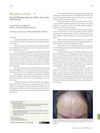
January 2019 in “Medical Hypotheses” Frontal Fibrosing Alopecia might be an autoimmune disease.
 May 2019 in “Anais brasileiros de dermatologia/Anais Brasileiros de Dermatologia”
 Frontal fibrosing alopecia mostly affects postmenopausal women, with diagnosis often delayed by 3 years.
 77 citations
,
July 2020 in “Journal of the European Academy of Dermatology and Venereology”
77 citations
,
July 2020 in “Journal of the European Academy of Dermatology and Venereology” Environmental factors, hormones, nutrition, and stress all significantly affect skin health and aging.
 77 citations
,
May 2012 in “Expert Opinion on Emerging Drugs”
77 citations
,
May 2012 in “Expert Opinion on Emerging Drugs” New treatments for male hypogonadism are effective and should be personalized.
 47 citations
,
September 2023 in “Pharmacological Reports”
47 citations
,
September 2023 in “Pharmacological Reports” Vitamins A, B3, C, D, and E can improve skin health and immunity.
 1 citations
,
December 2023 in “npj biofilms and microbiomes”
1 citations
,
December 2023 in “npj biofilms and microbiomes” Single-cell engineered biotherapeutics show promise for skin treatment but need more research and trials.
 10 citations
,
January 2014 in “Endocrinology & metabolic syndrome”
10 citations
,
January 2014 in “Endocrinology & metabolic syndrome” PCOS is a long-term condition that needs more research for better understanding and treatment.
 July 2025 in “Journal of Pharmacognosy and Phytochemistry”
 Plant-based therapies, like Aloe Vera and Cinnamon, may help manage PCOS symptoms with fewer side effects.
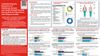 January 2025 in “SKIN The Journal of Cutaneous Medicine”
 People with alopecia areata face different healthcare access and experiences based on their race and ethnicity.
 October 2023 in “Urologie in der Praxis”
 Primary care providers should understand Geschlechtsinkongruenz to offer better care for transitioning individuals.
 March 2002 in “Clin-Alert”
 In 2002, various drugs caused serious side effects, including vitamin B12 deficiency, heart issues, blindness, hypersexuality, allergic reactions, blood clotting problems, pupil dilation, capillary leak syndrome, muscle breakdown, hepatitis, skin reactions, and lupus.
6 citations
,
October 2021 in “Biomedical Research and Therapy” Alopecia areata patients have higher levels of IL-6 and TNF-α.
1 citations
,
October 2024 in “Medicina” CLEC4D gene variants may increase the risk of alopecia areata in Jordanians.
April 2020 in “BMC endocrine disorders” A woman with childhood growth hormone deficiency had multiple hormone deficiencies and developed serious lung and kidney problems later in life.
65 citations
,
March 2022 in “Molecules” Nanocarriers can enhance cosmetics but face regulatory and safety challenges.
2 citations
,
August 2025 in “Harm Reduction Journal” Non-medical steroid use in gym-goers is risky and needs better prevention and care strategies.
Haircare products may expose users to harmful chemicals despite regulations.
 57 citations
,
October 2021 in “Journal of ethnopharmacology”
57 citations
,
October 2021 in “Journal of ethnopharmacology” Indian herbal medicine shows promise for treating skin diseases but needs more research to prove effectiveness.
4 citations
,
April 2024 in “Women s Health Reports” PCOS is common among female health science students, linked to hormonal issues and family history, and early diagnosis is important.
40 citations
,
January 2013 in “Clinical Cosmetic and Investigational Dermatology” Desonide is more effective than niacinamide for reducing underarm darkening.
The transporter protein SH1446 in Staphylococcus hominis is key to underarm odor production.
The study identified a key protein involved in producing underarm odor and found ways to inhibit it.
1 citations
,
January 2009 in “Elsevier eBooks” The chapter explains why and how women remove unwanted hair, comparing methods like shaving and waxing.
May 2013 in “CRC Press eBooks” Electrolysis and laser treatments offer more permanent hair removal, but have limitations.
89 citations
,
March 1990 in “PubMed” Shaving is the most effective temporary hair removal method for facial hirsutism.
5 citations
,
September 2021 in “PubMed” Hair removal methods vary in effectiveness and side effects, with electrolysis being the only permanent solution.