 197 citations
,
January 2019 in “Neuropsychopharmacology”
197 citations
,
January 2019 in “Neuropsychopharmacology” Male and female bodies respond differently to stress, influenced by hormones and development stages, with implications for stress-related diseases.
January 2026 in “International journal of research and scientific innovation”  21 citations
,
January 1988 in “Stress Medicine”
21 citations
,
January 1988 in “Stress Medicine” Stress affects skin health and emotional well-being should be considered in skin disease treatment.
27 citations
,
August 2021 in “Journal of Autoimmunity” Human dermal γδT-cells respond to stress in hair follicles, contributing to hair loss.
 27 citations
,
January 2002 in “Exogenous Dermatology”
27 citations
,
January 2002 in “Exogenous Dermatology” Chronic exposure to sunlight may worsen male pattern baldness and protecting the scalp from the sun could slow it down.
 19 citations
,
January 2009 in “International review of cell and molecular biology”
19 citations
,
January 2009 in “International review of cell and molecular biology” Hair's strength and flexibility come from its protein structure and molecular interactions.
 76 citations
,
March 2005 in “Journal of Molecular Medicine”
76 citations
,
March 2005 in “Journal of Molecular Medicine” Certain mice without specific receptors or mast cells don't lose hair from stress.
August 2025 in “Journal of Affective Disorders” Gender-diverse people face more depression and anxiety, partly due to stress and lower cortisol levels.
 January 2026 in “Zenodo (CERN European Organization for Nuclear Research)”
 Chronic stress can cause hair loss, but relaxation and gentle care can help manage it.
 January 2026 in “Zenodo (CERN European Organization for Nuclear Research)”
 Chronic stress can cause hair loss, but relaxation and gentle care can help manage it.
 40 citations
,
May 2016 in “Proceedings of the National Academy of Sciences of the United States of America”
40 citations
,
May 2016 in “Proceedings of the National Academy of Sciences of the United States of America” Changes in keratin make hair follicles stiffer.
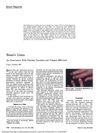 11 citations
,
October 1980 in “Archives of Dermatology”
11 citations
,
October 1980 in “Archives of Dermatology” Beau's lines and hair loss in a patient were linked to severe stress on the body.
19 citations
,
April 2017 in “Synapse” Blocking allopregnanolone production in mice makes them more anxious after stress, but this can be reversed with a drug that mimics allopregnanolone.
May 2026 in “Phytomedicine” April 2024 in “Journal of Pakistan Association of Dermatologists” Hair fall is not significantly linked to stress but is often caused by poor diet, low protein, and tight hairstyles.
 April 2018 in “Journal of Investigative Dermatology”
 The conclusion is that a new method combining magnetic tweezers and traction force microscopy may help understand skin cell interactions and diseases.
51 citations
,
December 2017 in “Skin Appendage Disorders” Stress may trigger hair loss by affecting immune protection in hair follicles.
62 citations
,
July 2013 in “American Journal of Clinical Dermatology” Alopecia areata patients have higher oxidative stress and lower antioxidant levels.
27 citations
,
March 2018 in “Journal of Experimental Biology” Wool fibre curvature is due to longer orthocortical cells compared to paracortical cells.
 January 2005 in “Seibutsu Butsuri/Seibutsu butsuri”
 Chemical treatments damage hair more than UV exposure, making it thinner and less flexible.
February 2025 in “Brazilian Journal of Hair Health” Multiparametric ultrasound is a useful non-invasive tool for assessing scalp conditions in alopecia areata patients.
The model explains how mammal ear hair cells respond to sound and adapt.
6 citations
,
July 2001 in “PubMed” Simulated microgravity affects root hair growth direction.
 67 citations
,
July 2016 in “Reviews in Endocrine and Metabolic Disorders”
67 citations
,
July 2016 in “Reviews in Endocrine and Metabolic Disorders” Stress can worsen skin conditions by affecting hormone levels and immune response.
6 citations
,
October 2011 in “PubMed” Shift work causes significant stress for Military Police in Amazon, Brazil.
 June 2026 in “New Phytologist”
 Iron-dependent hormones help wheat roots adapt to temperature stress.
June 2023 in “Diyala Journal of Medicine” Alopecia areata is more common in young males and often linked to stress.
 April 2023 in “Journal of Investigative Dermatology”
 SOX2 helps reduce wound size and pressure ulcer formation by suppressing oxidative stress and increasing antioxidant activity in mice.
13 citations
,
January 2016 in “Annals of Dermatology” Stress can slow hair growth by affecting certain cells and pathways.
January 2006 in “International Journal of Dermatology and Venereology” Stress can cause and worsen hair loss, so managing stress is important for better hair health.