 November 2022 in “The journal of investigative dermatology/Journal of investigative dermatology”
 TYK2 inhibition may help treat alopecia areata by promoting hair growth and reducing immune response.
 April 2023 in “The journal of investigative dermatology/Journal of investigative dermatology”
 Psoriasis patients on biologic therapy have a weaker immune response to COVID-19 vaccination than healthy people.
 December 2023 in “Journal of Ayub Medical College Abbottabad”
 Ritlecitinib effectively treats alopecia areata in patients 12 and older with fewer side effects.
Combining pentoxifylline with corticosteroids improves alopecia areata treatment.
6 citations
,
October 2021 in “Brain Sciences” Dutasteride may help reduce brain inflammation and improve cognition.
1 citations
,
June 2019 in “Journal of Cutaneous Immunology and Allergy” Squaric acid dibutylester can cause severe skin reactions in people with allergies.
April 2017 in “Leukemia research” Tofacitinib helped most teenagers in the study regrow hair with mild side effects.
 1 citations
,
January 2023 in “Cutis”
1 citations
,
January 2023 in “Cutis” You might not need to stop cancer treatment if you get a rare skin reaction from EGFR inhibitors, as skin treatments can help manage it.
 January 2016 in “Chemistry & Industry”
 Two drugs, tofacitinib and ruxolitinib, may help regrow hair by activating hair follicles.
17 citations
,
October 2024 in “Journal of the American Academy of Dermatology” Brepocitinib effectively reduces inflammation and improves symptoms in cicatricial alopecia with good safety.
 November 2025 in “Mendeley Data”
 Standard dosing is more effective for severe alopecia areata in children, but unorthodox dosing can be safe and considered if needed.
 February 2026 in “Journal of Drugs in Dermatology”
 Dupilumab helped a 13-year-old regrow hair after alopecia totalis.
July 2024 in “Journal of Investigative Dermatology” A KLK5 inhibitor effectively improved skin symptoms in a mouse model of Netherton Syndrome.
February 2025 in “Diagnostics” Most patients improved in both atopic dermatitis and alopecia areata with certain treatments, but some had worsened symptoms, suggesting personalized care is needed.
13 citations
,
January 2020 in “Acta Dermato Venereologica” Ruxolitinib treatment led to unexpected hair regrowth in a patient with alopecia universalis.
November 2025 in “The Journal of Immunology” A humanized IL-2 fusion protein boosts T regulatory cells and helps control hair loss in Alopecia Areata.
227 citations
,
April 2023 in “The Lancet” Ritlecitinib effectively treats alopecia areata and is well-tolerated.
July 2024 in “Journal of Investigative Dermatology” Sex and race affect immune responses and treatment outcomes in Hidradenitis suppurativa.
February 2026 in “Indian Dermatology Online Journal” Tofacitinib significantly improved skin and hair conditions without side effects.
10 citations
,
September 2024 in “Life” Abrocitinib shows promise for treating various skin conditions beyond atopic dermatitis.
 January 2024 in “American journal of clinical dermatology”
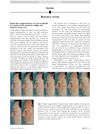
 Ritlecitinib is safe and well-tolerated for treating alopecia areata in patients aged 12 and older.
 157 citations
,
December 2015 in “Journal of the American Academy of Dermatology”
157 citations
,
December 2015 in “Journal of the American Academy of Dermatology” A man with vitiligo and alopecia saw quick skin and hair improvement with ruxolitinib, but skin color gains were lost after stopping treatment.
14 citations
,
April 2023 in “Acta Dermato Venereologica” Upadacitinib effectively treated severe hair loss in a child.
January 2026 in “Journal of Clinical Medicine” Janus kinase inhibitors reduce inflammation markers in severe alopecia areata patients.
 3 citations
,
April 2016 in “Journal of The American Academy of Dermatology”
3 citations
,
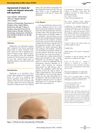
April 2016 in “Journal of The American Academy of Dermatology” A woman had a severe skin reaction from the drug imiquimod, used for skin cancer, highlighting the need for awareness of rare but serious side effects.
 3 citations
,
December 2021 in “Dermatology reports”
3 citations
,
December 2021 in “Dermatology reports” Dupilumab can improve both atopic dermatitis and alopecia universalis.
November 2025 in “Journal of the European Academy of Dermatology and Venereology” JAK inhibitors may reduce depression in people with alopecia areata.
4 citations
,
December 2024 in “Archives of Dermatological Research” July 2024 in “Journal of Investigative Dermatology” Brepocitinib reduces interferon signaling in hidradenitis suppurativa patients.
 June 2026 in “Frontiers in Oncology”
 Ipilimumab can cause various adverse events in elderly patients, especially affecting the gastrointestinal and endocrine systems.