 December 2025 in “GeroScience”
 Genetics, epigenetics, and lifestyle all influence facial skin aging.
 December 2025 in “Journal of Education Health and Sport”
 LED therapy is safe and effective for improving skin health and appearance.
 December 2025 in “Journal of Pharma Insights and Research.”
 The shampoo naturally colors and conditions hair safely without toxic chemicals.
 November 2025 in “Nanoscale Advances”
 Inorganic nanoparticle-based scaffolds can improve wound healing by fighting bacteria and helping tissue grow.
 November 2025 in “Pacific Journal of Medical Research”
 Skin issues are common in lupus patients, highlighting the need for thorough skin checks.

A new microneedle patch helps repair spinal cord injuries by reducing scarring and promoting nerve growth.
 November 2025 in “EXPERIMENTAL ANIMALS”
 Stingless bee propolis may help regenerate hair follicles and improve pigment function in chemotherapy-induced hair loss.
 October 2025 in “Clinical Cosmetic and Investigational Dermatology”
 Targeting specific cell interactions may help treat skin fibrosis.
 September 2025 in “Cureus”
 Personalized anti-aging treatments improve youthfulness and quality of life.
 September 2025 in “Nano Biomedicine and Engineering”
 Nanomedicines could offer better, longer-lasting psoriasis treatments with fewer side effects.
 September 2025 in “Clinical Cosmetic and Investigational Dermatology”
 Moderate exercise improves skin health, but intense exercise without protection can harm it.
August 2025 in “Tropical Journal of Natural Product Research” Celery extract and candlenut oil effectively and safely boost hair growth.
 August 2025 in “Tobacco Induced Diseases”
 Smoking harms skin quality and health, which may encourage quitting.
 June 2025 in “Saratov Medical Journal”
 Ongoing research and innovation are crucial for improving skin care and treatment.
 June 2025 in “World Journal of Medical Oncology”
 Bio-based materials like hydrogels show promise in treating skin cancer with fewer side effects, but more research is needed.
 March 2025 in “HAL (Le Centre pour la Communication Scientifique Directe)”
 De nouvelles thérapies promettent de mieux traiter la perte de cheveux due à l'alopécie androgénétique.

New methods improve skin disease diagnosis and treatment.
 January 2025 in “RSC Pharmaceutics”
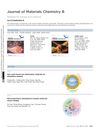
 Smart microneedles using advanced tech could improve psoriasis treatment.
 January 2025 in “Journal of Materials Chemistry B”
  October 2024 in “Dermatology Practical & Conceptual”
 Porokeratosis should be considered for scalp lesions, with new treatments like topical cholesterol/lovastatin offering promise.
 August 2024 in “Bioscience of Microbiota Food and Health”
 Microbes might play a role in vitiligo.

A young athlete's fragile hair condition improved by cutting hair and using gentle shampoo.
 April 2024 in “International journal of women's health”
 Adult female acne is a complex condition that can worsen with menopause, requiring holistic treatment and tailored skincare at different life stages.
 February 2024 in “International Journal For Multidisciplinary Research”
 Nanostructured lipid carriers are effective for treating hyperpigmentation in women aged 30-40.
 February 2024 in “Trends in Sciences”
 Store Tectona grandis leaf extracts in slightly acidic, light-protected conditions for best stability.
 February 2024 in “Asian journal of medical sciences”
 Proper hygiene, adequate sleep, and self-care can reduce common skin diseases.
 January 2024 in “Research Square (Research Square)”
 A specially designed molybdenum oxide nanozyme can treat and monitor acute kidney injury effectively.
 January 2024 in “GeroScience”
 Using radiation to make mice's hair turn gray helps study and find ways to prevent or reverse hair graying.
 January 2024 in “Pharmacophore”
 Herbal nanocosmeceuticals are more effective and eco-friendly than traditional skincare products.
 January 2024 in “LA Referencia (Red Federada de Repositorios Institucionales de Publicaciones Científicas)”
 Carbon Quantum Dots can effectively detect cobalt ions and methylcobalamin in water.