 12 citations
,
January 2007 in “Current problems in dermatology”
12 citations
,
January 2007 in “Current problems in dermatology” Environmental and cosmetic factors, including heat, chemicals, and sun exposure, can cause hair loss and damage.
 9 citations
,
November 2018 in “Journal of cosmetic dermatology”
9 citations
,
November 2018 in “Journal of cosmetic dermatology” Orobanche rapum extract rejuvenates skin and protects skin bacteria, leading to healthier skin.
 5 citations
,
February 2015 in “Journal of Bio- and Tribo-Corrosion”
5 citations
,
February 2015 in “Journal of Bio- and Tribo-Corrosion” Plasma jet treatments can clean hair and might replace peroxide for hair care.
 78 citations
,
September 2008 in “International Journal of Cosmetic Science”
78 citations
,
September 2008 in “International Journal of Cosmetic Science” The document concludes that various clinical methods are used to assess ageing skin and the effectiveness of anti-ageing products.

L-PGDS has specific binding sites for its functions and could help in drug delivery system design.
 13 citations
,
January 2017 in “Cosmetics”
13 citations
,
January 2017 in “Cosmetics” Different tests are used to see how hair care products affect hair, and choosing the right test is important for accurate results.

PlacMA hydrogels from human placenta are versatile and useful for cell culture and tissue engineering.
 September 2024 in “Journal of Cosmetic Dermatology”
 Quercetin-loaded nanoparticles protect human hair from UV-B damage.
 June 2024 in “Molecules/Molecules online/Molecules annual”
 Platycladus orientalis flavonoids protect balding hair from UV damage and slow hair color change.
31 citations
,
April 2020 in “Pharmaceutics” Nanocrystals greatly improve dexamethasone delivery into the skin.
January 2026 in “International Journal of Biological Macromolecules” Keratin in people with androgenetic alopecia shows specific changes that could help develop new treatments.
1 citations
,
January 2018 in “Journal of microscopy and ultrastructure” The method can identify minerals in hair from water, and using coconut oil or conditioner can prevent mineral buildup.
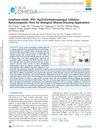 22 citations
,
September 2019 in “ACS omega”
22 citations
,
September 2019 in “ACS omega” The new nanocomposite films are stronger, protect against UV, speed up wound healing, and are antibacterial without being toxic.
5 citations
,
September 2023 in “Molecules” These methods help understand cell structures and reactions.
 May 2026 in “Archives of Dermatological Research”
 Vitamin E and gamma-oryzanol protect hair from UV damage.
3 citations
,
January 2025 in “International Journal of Molecular Sciences” EGCG shows strong electron transfer interactions when bonded to DPPG lipids.
 4 citations
,
May 2014 in “PubMed”
4 citations
,
May 2014 in “PubMed” Monoethanolamine-based hair colorants can cause more damage to hair than ammonia-based ones.
10 citations
,
September 2022 in “Journal of Biophotonics” Blue light therapy is safe for skin and may protect against UV radiation.
 October 2025 in “Clinical Cosmetic and Investigational Dermatology”
 SP treatment improves hair health and moisture retention better than water treatment.
6 citations
,
May 2025 in “Cosmetics” Sunscreen technology is improving with new ingredients and methods to better protect skin from sun damage.
 April 2026 in “Biomolecules”
 Squid ink melanin nanoparticles create a safe, long-lasting black hair dye that protects hair and offers UV protection.
31 citations
,
January 2014 in “The Scientific World JOURNAL” Eclipta prostrata extract protects skin cells from UVB damage and has strong antioxidant properties.
9 citations
,
August 2023 in “Antioxidants” Gelidium corneum seaweed has promising skin health benefits, including UV protection and healing properties.
3 citations
,
July 2022 in “BMC chemistry” The methods accurately measure finasteride and tadalafil in Entadfi™ capsules for quality control.
 1 citations
,
July 2023 in “Biomimetics”
1 citations
,
July 2023 in “Biomimetics” A new hair treatment using a natural polyphenol complex improves hair strength, reduces static, and protects against UV damage.
 November 2025 in “Cosmetics”
 Rice germ oil improves hair health, but adding ferulic acid offers limited benefits and may worsen chemically damaged hair.
122 citations
,
December 2022 in “International Journal of Molecular Sciences” Nanoparticles improve skin treatment but need more research on safety and effectiveness.
 February 2026 in “Phycology”
 Microalgae can sustainably improve nutrition and cosmetics with their diverse beneficial compounds.
 June 2025 in “International Journal of Cosmetic Science”
 Keratin-encapsulated liposomes effectively repair and protect UV-damaged hair.

A natural, eco-friendly treatment using casein and tannic acid strengthens hair by 21% while keeping it elastic.