 June 2023 in “Plastic and Reconstructive Surgery – Global Open”
 Exosomes may improve skin, scars, hair growth, and fat grafts in plastic surgery, but more research is needed.
 August 2021 in “International Journal of Dermatology and Venereology”
 Platelet-Rich Fibrin (PRF) can speed up healing in chronic wounds, improve hair density, and act as a natural filler for skin rejuvenation, but its use in hair loss treatment needs more evaluation.
November 2025 in “Advanced Healthcare Materials” Bioprinting is improving skin models for better testing of skin diseases without using animals.
8 citations
,
May 2024 in “Advanced NanoBiomed Research” Nanocarriers can improve skin drug delivery but face challenges in clinical use.
12 citations
,
May 2024 in “Indian Dermatology Online Journal” Probiotics may help treat skin conditions like acne and eczema safely.
 39 citations
,
June 2017 in “Journal of Applied Research on Medicinal and Aromatic Plants”
39 citations
,
June 2017 in “Journal of Applied Research on Medicinal and Aromatic Plants” Plant-based ingredients are effective and safe for modern skincare products.

The document is a detailed guide on skin conditions and treatments for dermatologists.
 4 citations
,
February 2014 in “Journal of the European Academy of Dermatology and Venereology”
4 citations
,
February 2014 in “Journal of the European Academy of Dermatology and Venereology” Early diagnosis of hair tourniquet syndrome saved a baby's toe from being lost.

The treatment showed limited success in repigmenting hair for vitiligo-associated leukotrichia.
 6 citations
,
October 2018 in “Bioelectromagnetics”
6 citations
,
October 2018 in “Bioelectromagnetics” Rice bran extract and low-frequency electromagnetic fields together may help treat vitiligo and white hair.
 June 2008 in “British Journal of Dermatology”
 UK medical students lack dermatology education, liver biopsy patients with risk factors show more fibrosis, and certain fungi resist drugs due to melanin; genetics may influence female hair loss.
 13 citations
,
March 2013 in “International Journal of Cosmetic Science”
13 citations
,
March 2013 in “International Journal of Cosmetic Science” AcSDKP may help prevent skin and hair aging and promote their growth.
 35 citations
,
October 2012 in “Dermatologic Clinics”
35 citations
,
October 2012 in “Dermatologic Clinics” Autoimmune diseases can cause hair loss, and early treatment is important to prevent permanent damage.
 22 citations
,
June 2002 in “Seminars in cutaneous medicine and surgery”
22 citations
,
June 2002 in “Seminars in cutaneous medicine and surgery” Laser hair removal works well for people with dark hair and light skin, but it's less effective for light hair or dark skin; improvements are expected.
 25 citations
,
January 2005 in “Pediatric Dermatology”
25 citations
,
January 2005 in “Pediatric Dermatology” Methotrexate effectively treated a 2-year-old's generalized pustular psoriasis without side effects.
 21 citations
,
January 2005 in “Pediatric Dermatology”
21 citations
,
January 2005 in “Pediatric Dermatology” An 8-year-old girl with vitiligo developed extra hair growth on her knee after using tacrolimus ointment.
 16 citations
,
January 2005 in “Pediatric Dermatology”
16 citations
,
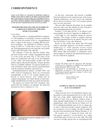
January 2005 in “Pediatric Dermatology” A 10-year-old girl with Fox Fordyce disease improved with treatment, suggesting the disease can occur before puberty and might be underdiagnosed in young girls.
 12 citations
,
January 2005 in “Pediatric Dermatology”
12 citations
,
January 2005 in “Pediatric Dermatology” Fox Fordyce disease might be more common in prepubertal girls than thought and can be managed with treatment.
 9 citations
,
January 2005 in “Pediatric Dermatology”
9 citations
,
January 2005 in “Pediatric Dermatology” Fox Fordyce disease can occur in prepubertal girls and may be underdiagnosed.
 4 citations
,
June 2020 in “British Journal of Pharmacology”
4 citations
,
June 2020 in “British Journal of Pharmacology” Activating TRPV4 in skin cells helps regrow hair in mice, possibly offering a treatment for hair loss.
 46 citations
,
May 2018 in “The journal of investigative dermatology/Journal of investigative dermatology”
46 citations
,
May 2018 in “The journal of investigative dermatology/Journal of investigative dermatology” The vitamin D receptor is essential for skin stem cells to grow, move, and become different cell types needed for skin healing.
 9 citations
,
January 2016 in “Journal of cosmetology & trichology”
9 citations
,
January 2016 in “Journal of cosmetology & trichology” Fractional laser treatment helped hair regrowth in patients with alopecia areata.
 8 citations
,
May 2010 in “Dermatologic clinics”
8 citations
,
May 2010 in “Dermatologic clinics” New treatments for skin conditions in children include a preferred drug for birthmark reduction, proactive creams for eczema and vitiligo, a safe psoriasis medication, and special tissues and socks for eczema and fungal infections.
 195 citations
,
January 2008 in “Photochemistry and Photobiology”
195 citations
,
January 2008 in “Photochemistry and Photobiology” Visible light can damage skin and most sunscreens don't block it well; more research is needed on its effects and protection methods.
 98 citations
,
May 2008 in “British Journal of Dermatology”
98 citations
,
May 2008 in “British Journal of Dermatology” There are many treatments for permanent hair loss disorders, but their effectiveness varies and there's no clear best option.
 66 citations
,
July 2015 in “Journal of Molecular Biology”
66 citations
,
July 2015 in “Journal of Molecular Biology” The document concludes that for hair and feather growth, it's better to target the environment around stem cells than the cells themselves.
 April 2018 in “Journal of Investigative Dermatology”
 Desmoglein 3 organization in cell connections changes without calcium, affecting cell adhesion.
 April 2018 in “Journal of Investigative Dermatology”
 Dsg1 is essential for maintaining a healthy skin barrier in mice.
 April 2018 in “Journal of Investigative Dermatology”
 IL-9 increases skin cell movement but decreases their ability to invade, and this effect is controlled by cell contractility, not by MMPs.
 105 citations
,
September 1995 in “Journal of The American Academy of Dermatology”
105 citations
,
September 1995 in “Journal of The American Academy of Dermatology” Recombinant cytokine therapy can cause skin reactions ranging from mild to severe.