August 2021 in “Journal of advances in medicine and medical research” Excimer light therapy is more effective than low level laser therapy for treating alopecia areata.
 35 citations
,
July 2009 in “Optics express”
35 citations
,
July 2009 in “Optics express” Researchers created a new light source that improves chemical imaging by removing background noise.
7 citations
,
January 2003 in “Journal of cosmetic and laser therapy” The filterless flashlamp-based system effectively delays hair regrowth and improves skin condition.
August 2018 in “Zenodo (CERN European Organization for Nuclear Research)” Catalase in processed meats may increase cancer risk due to electromagnetic emissions.
May 2025 in “Drug Delivery and Translational Research” 1 citations
,
May 2017 in “Journal of cosmetic and laser therapy” Lasers can help reduce skin side effects from cancer treatment.
 March 2025 in “ACS Applied Materials & Interfaces”
 Ultrasonic microneedles improve hair regrowth treatment effectiveness without side effects.
3 citations
,
September 2023 in “Journal of Photochemistry and Photobiology A Chemistry” 39 citations
,
March 2017 in “Dermatologic clinics” UV light can help stimulate the growth of new pigment cells from hair follicles in people with vitiligo.
2 citations
,
January 2003 in “Dermatologic surgery” The 800-nm pulsed diode laser is a safe and effective long-term treatment for trichostasis spinulosa in dark-skinned individuals.
4 citations
,
September 2021 in “Medical Lasers” Low-level laser therapy effectively prevents and treats oral mucositis.
 September 2024 in “Acta Medica Philippina”
 Radiation from a medical procedure caused temporary hair loss, but hair regrew with treatment.
 8 citations
,
December 2008 in “Clinical and Experimental Dermatology”
8 citations
,
December 2008 in “Clinical and Experimental Dermatology” Radiotherapy was effective for treating a large scalp plaque of Bowen's disease when other treatments failed.
 May 2017 in “Journal of The American Academy of Dermatology”
 LED light helps human hair root cells grow and move by activating certain cell pathways.
 9 citations
,
September 1947 in “Archives of dermatology and syphilology”
9 citations
,
September 1947 in “Archives of dermatology and syphilology” Electrolysis is better for permanent hair removal with less scarring.
37 citations
,
February 2008 in “PubMed” Keeping radiation doses under 16 Gy may reduce permanent hair loss.
 January 2021 in “Journal of clinical and cosmetic dermatology”
 Human skin responds to light with protective mechanisms, but more research is needed to understand these processes and their implications for health and therapy.
 112 citations
,
July 1998 in “Journal of Investigative Dermatology”
112 citations
,
July 1998 in “Journal of Investigative Dermatology” Ruby laser pulses best destroy hair follicles during the growth phase and effectiveness varies with laser intensity; melanin is key for targeting, and timing treatments can improve results.
 September 2022 in “Research Square (Research Square)”
 Hydrocolloid wound dressings emit energy that can affect human hair follicle metabolism.
January 2015 in “Journal of cosmetics, dermatological sciences and applications” The combined technology safely and effectively removes hair at home on dark skin.
 28 citations
,
April 1936 in “Journal of the American Medical Association”
28 citations
,
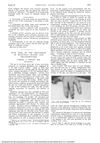
April 1936 in “Journal of the American Medical Association” Aloe vera healed severe skin damage and restored normal skin in five weeks.
7 citations
,
August 2024 in “Skin Research and Technology” The study's findings are unreliable due to retraction.
January 2005 in “世界胃肠病学杂志:英文版(电子版)” Etoposide makes radiation therapy more effective against tumors without major side effects.
 January 2026 in “American Journal of Medical and Clinical Research & Reviews”
 Different wavelengths of LED light are needed to treat different types of hair loss effectively.
 41 citations
,
October 2024 in “Nature Communications”
41 citations
,
October 2024 in “Nature Communications” A new wearable LED device helps heal chronic infected wounds at home.
 December 2024 in “Cell Communication and Signaling”
 Fat tissue vesicles protect skin from UV damage better than stem cell vesicles.
 3 citations
,
October 1979 in “Laboratory animals”
3 citations
,
October 1979 in “Laboratory animals” Hairless rats are good for testing anti-inflammatory drugs, similar to haired rats, without needing to remove fur.
 150 citations
,
April 1999 in “Dermatologic Clinics”
150 citations
,
April 1999 in “Dermatologic Clinics” Laser hair removal effectiveness depends on targeting hair structures without harming the skin, and improvements require more research and expert collaboration.
 61 citations
,
April 2014 in “Radiation Research”
61 citations
,
April 2014 in “Radiation Research” RTA 408 cream protects mice from radiation skin damage.
 3 citations
,
March 2008 in “Medical laser application”
3 citations
,
March 2008 in “Medical laser application” Lasers have become safer and more effective for treating skin problems and hair removal.