 June 2026 in “Scholarly review .”
 Endocrine-disrupting chemicals cause irreversible harm to children's development, increasing disease risk.
 June 2026 in “Frontiers in Aging”
 Homeodynamic Rejuvenation aims to improve skin's stress management and recovery to combat aging.
 May 2026 in “International Journal for Educational Integrity”
 Contract cheating website traffic in Spain surged during COVID-19 but declined with the rise of AI tools.
 May 2026 in “Commagene Journal of Biology”
 Anti-aging peptides can improve skin appearance but need better delivery methods and more research.
 May 2026 in “AAPS PharmSciTech”
 PEGylated flavonoid Aspasomes improve brain protection and memory in stress-related disorders.
 May 2026 in “International Journal of Nanomedicine”
 Nanozymes help heal burn wounds by fighting bacteria, reducing inflammation, and promoting blood vessel growth.
 April 2026 in “International Journal of Drug Delivery Technology”
 Alopecia can often be managed effectively with various treatments, but early diagnosis is crucial for preventing permanent hair loss.
 April 2026 in “Journal of Cancer”
 Cepharanthine shows promise as a natural anticancer treatment.
 April 2026 in “Journal of Pharmaceutical Investigation”
 Nanotechnology could improve treatment for scars and atopic dermatitis by targeting skin issues more effectively.
 April 2026 in “International Journal of Pharmacy and Pharmaceutical Science”
 Rosemary may help brain health and reduce inflammation.
 March 2026 in “Frontiers in Pharmacology”
 Taxifolin, found in onions and milk thistle, has health benefits but needs more research for safe use.
 March 2026 in “Scientific Reports”
 Nearly half of the patients had Long COVID, leading to health and work issues, especially in high-risk groups.
 March 2026 in “Quality in Sport”
 Red light therapy can boost athletic performance and aid healing.
 March 2026 in “Food, Nutrition and Health.”
 Collagen peptides may help reduce skin aging by improving elasticity and hydration.
 March 2026 in “BioScience Trends”
 UV radiation causes skin aging by damaging cells and triggering harmful processes.
 March 2026 in “Frontiers in Physiology”
 Antioxidant treatments may help reduce Acute Mountain Sickness, but more research is needed.
 March 2026 in “Nature Communications”
 Genetic factors, skin barrier, immune function, and obesity influence risk of fungal skin infections.
A coordinated approach combining medical, trichological, and visual support is needed to better manage hair loss.
 February 2026 in “International Journal on Science and Technology”
 Vitex negundo may help treat PCOD, but more human studies are needed.
 February 2026 in “International Journal of Recent Surgical and Medical Sciences”
 Human exosomes are effective for targeted treatments but face scalability issues, while plant exosomes are cost-effective for cosmetics.
 February 2026 in “ImmunoTargets and Therapy”
 Tumor immunotherapy can cause hair loss by disrupting hair follicle immunity.
 January 2026 in “Annals of Clinical Endocrinology and Metabolism”
 Restoring NAD⁺ may help with aging and chronic diseases, but more research is needed.
 January 2026 in “Journal of Ayurveda and Integrated Medical Sciences”
 Bhringaraj extract tablets significantly reduce hair fall and are well-tolerated.
Higher cannabis exposure may lead to increased hair loss.
 January 2026 in “Nature Communications”
 A wearable device using NIR light may help treat hair loss non-invasively.
 January 2026 in “Clinical Cosmetic and Investigational Dermatology”
 Polynucleotides show promise for improving skin conditions safely but need more research.

Plakophilin 1 helps control skin cell immune responses to prevent excessive inflammation.
 November 2025 in “Scientific Reports”
 Liver disease is linked to hair loss, especially in women and those with unhealthy lifestyles.
 November 2025 in “Nanoscale Advances”
 Inorganic nanoparticle-based scaffolds can improve wound healing by fighting bacteria and helping tissue grow.
 November 2025 in “Frontiers of Agricultural Science and Engineering”
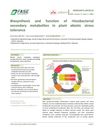
 Rhizobacterial strain RT3 helps lettuce survive drought by producing protective substances like proline.