 42 citations
,
August 1999 in “The American journal of pathology”
42 citations
,
August 1999 in “The American journal of pathology” Basal cell carcinomas have much higher levels of Vitamin D3 receptors compared to healthy skin.
February 2025 in “JDDG Journal der Deutschen Dermatologischen Gesellschaft” Deucravacitinib helped a man regrow hair and improve psoriasis.
June 2026 in “Advanced Healthcare Materials” Engineered vesicles with EGF mRNA improve skin wound healing and reduce scarring.
CMV infection increases the risk of GvHD after bone marrow transplants.
12 citations
,
December 2016 in “The FASEB Journal” Lack of vitamin D receptor causes hair loss in mice by allowing certain genes to overactivate.
 June 2023 in “Journal of cosmetic dermatology”
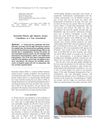
 A woman developed skin lesions after PRP injections, possibly linked to COVID-19 infection and vaccination.
 2 citations
,
September 2011 in “Pediatric Dermatology”
2 citations
,
September 2011 in “Pediatric Dermatology” The document suggests there might be a link between Kawasaki Disease and Alopecia Areata that needs more research.
28 citations
,
September 2021 in “JAAD Case Reports” The Pfizer COVID-19 vaccine may rarely trigger nail psoriasis.
 4 citations
,
April 2016 in “Journal of The American Academy of Dermatology”
4 citations
,
April 2016 in “Journal of The American Academy of Dermatology” A patient with advanced kidney cancer and no hepatitis C developed skin inflammation due to a drug called interferon alpha-2a.
 September 2022 in “JAAD Case Reports”
 COVID-19 may worsen hair loss in people with a certain type of scarring alopecia, but early treatment can help improve symptoms and hair regrowth.
 May 2022 in “Annals of the Rheumatic Diseases”
 It's unclear if COVID-19 vaccination causes SLE; more research is needed.
 June 2023 in “Pediatric investigation”
 A boy's scalp infection, usually found on the body, was effectively treated with antifungal cream.
June 2025 in “Academic Medical Journal” Vitiligo treatments are improving but relapses are common.
January 2005 in “Di-san junyi daxue xuebao” VEGF can boost hair growth in mice with scleroderma.
24 citations
,
January 2018 in “Systematic Reviews” All HPV vaccine studies should be registered and published to reduce reporting bias.
48 citations
,
November 2022 in “Journal of Cosmetic Dermatology” Skin rashes can help diagnose COVID-19 early.
18 citations
,
July 2013 in “Journal of Leukocyte Biology” Nonimmunogenic forms of keratins K71 and K31 can delay and prevent alopecia areata.
2 citations
,
July 2013 in “Journal of Life Sciences” A 2-year-old girl with a rare vitamin D disorder had rickets and hair loss, but treatment was ineffective due to poor compliance.
2 citations
,
May 2025 in “IntechOpen eBooks” Early treatment with corticosteroids and immunosuppressants is crucial for managing Vogt-Koyanagi-Harada disease.
 1 citations
,
September 2013 in “The Journal of Dermatology”
1 citations
,
September 2013 in “The Journal of Dermatology” An 8-year-old girl developed a rare skin condition in a linear pattern on one side of her body after a lung infection, which improved with treatment.

A woman and her guinea pig were successfully treated for a fungal infection.
1 citations
,
October 2018 in “The American journal of gastroenterology” Relapsing hepatitis A can cause prolonged abnormal liver tests even without symptoms.
42 citations
,
July 2013 in “Gene” IL-4 gene variation may increase the risk of alopecia areata in Turkish people.
 36 citations
,
April 2016 in “British journal of dermatology/British journal of dermatology, Supplement”
36 citations
,
April 2016 in “British journal of dermatology/British journal of dermatology, Supplement” A substance called VIP might protect hair follicles from being attacked by the immune system, and problems with VIP signaling could lead to hair loss in alopecia areata.
January 2009 in “Journal of musculoskeletal pain” A patient got Herpes zoster after a knee injection, possibly due to the injection's trauma, but more evidence is needed.
 January 2026 in “Immunity & Inflammation”
 Autoimmune skin diseases result from genetic and environmental factors disrupting immune checkpoints.
1 citations
,
February 2024 HPV6/11 is often found in hair of men with anogenital warts, especially pubic hair, and can lead to recurrent warts.
October 2024 in “Frontiers in Immunology” Pertussis toxin may contribute to hair loss in alopecia areata.
16 citations
,
April 2000 in “Journal of Investigative Dermatology” The AVET system effectively delivers genes to human keratinocytes and may help treat skin diseases.
14 citations
,
December 2001 in “Journal of autoimmunity” Rats can develop an immune response to prion protein peptides, but it may cause severe skin issues in older rats.