29 citations
,
June 2000 in “Endocrinology” Alopecia in VDR knockout mice is due to impaired hair cycle initiation, not keratinocyte issues.
 January 2025 in “ARC Journal of Dermatology”
 Vaping may harm skin health by causing inflammation.
2 citations
,
July 2019 in “PeerJ” Removing the VDR gene in skin cells reduces their growth and affects hair-related genes.
29 citations
,
December 2022 in “Journal of Nanobiotechnology” Stem cell vesicles reduced eczema symptoms in mice safely.
47 citations
,
September 1995 in “British Journal of Dermatology” Diphencyprone therapy for hair loss can cause vitiligo.
148 citations
,
May 2008 in “The journal of investigative dermatology/Journal of investigative dermatology” Mice without the vitamin D receptor are more prone to UV-induced skin tumors.
 April 2023 in “Journal of Investigative Dermatology”
 Booster shots of mRNA vaccines for COVID-19 increased protective antibodies without worsening autoimmune skin conditions in patients.
2 citations
,
March 2016 in “International Journal of Dermatology” Kikuchi–Fujimoto disease can cause scarring alopecia and should be considered in diagnosis.
1 citations
,
January 2026 in “International Journal of Dermatology” Amivantamab can cause severe skin eruptions and scarring, requiring drug discontinuation and early treatment.
 27 citations
,
July 2017 in “Scientific Reports”
27 citations
,
July 2017 in “Scientific Reports” N-WASP is essential for healthy skin and preventing inflammation.
September 2023 in “Indian Journal of Postgraduate Dermatology” Few healthcare workers had skin reactions after Covid-19 vaccination.
 10 citations
,
January 2011 in “Annals of Dermatology”
10 citations
,
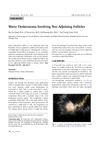
January 2011 in “Annals of Dermatology” A rare scalp tumor involving two hair follicles was successfully removed with surgery, with no recurrence after 7 months.
 27 citations
,
September 2014 in “JAMA dermatology”
27 citations
,
September 2014 in “JAMA dermatology” Female donor to male recipient sex mismatch and positive ACA-IgG are key risk factors for vitiligo and alopecia areata in chronic GvHD patients.
August 2010 in “Oncology Times” Provenge extends prostate cancer survival by about 4 months.
April 2015 in “MOJ Cell Science & Report” Rat hair follicle stem cells can be used to improve blood vessel growth in engineered skin.
 April 2023 in “Journal of Investigative Dermatology”
 During the COVID-19 pandemic in China, skin conditions like eczema and warts increased among children, while respiratory-transmitted skin infections decreased, partly due to mask-wearing.
139 citations
,
September 2001 in “The journal of investigative dermatology/Journal of investigative dermatology” Mutations in the Vitamin D receptor gene can cause hair loss similar to mutations in the Hairless gene.
 November 2023 in “The Bovine practitioner”
 A bull got very sick and had to be put down after eating hairy vetch for months.
September 2025 in “International Journal of Molecular Sciences” Deucravacitinib may help treat various immune diseases beyond psoriasis, but more research is needed.
 2 citations
,
February 1981 in “Journal of the Royal Society of Medicine”
2 citations
,
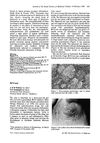
February 1981 in “Journal of the Royal Society of Medicine” A three-year-old girl survived a rare serious infection caused by BCG vaccination, which improved after treatment with a leprosy drug.
December 2021 in “OPAL (Open@LaTrobe) (La Trobe University)” New therapies like JAK inhibitors and stem cells show promise in treating vitiligo.
56 citations
,
September 2014 in “Molecular Endocrinology” Vitamin D receptor is essential for hair growth signaling.
March 2026 in “International Journal of Innovative Technologies in Social Science” Vitiligo is a systemic disease with psychological effects, and new treatments focus on personalized care.
 January 2018 in “The Kaohsiung journal of medical sciences”
 A young man had a rare case of hair cysts on his elbows, which was hard to diagnose and treat.
March 2026 in “British Journal of Dermatology” Deucravacitinib did not significantly improve hair regrowth in alopecia areata patients.
 23 citations
,
May 2013 in “Virology”
23 citations
,
May 2013 in “Virology” HPV16 oncogenes disrupt the normal activity of hair follicle stem cells.
22 citations
,
September 1993 in “Archives of Dermatology” The child has a scaly rash and fever, but tests show no infection.
April 2005 in “Journal of Investigative Dermatology” Vitamin D helps protect skin, PSORS1 gene's risk interval for psoriasis is expanded, hair follicles can be generated from mouse cells, and interferon-γ may cause pigmented skin lesions.

A teenager had both alopecia areata and vitiligo, which are rare to occur together.
 March 2023 in “bioRxiv (Cold Spring Harbor Laboratory)”
 Scientists can now create skin with hair by reprogramming cells in wounds.