 April 2025 in “PharmacoEconomics - Open”
 Patients with Alopecia Areata are willing to trade life duration for better quality of life.
Whiskers can form without sensory nerves or Foxd1, thanks to Meis2 in mesenchymal cells.
 March 2025 in “Journal of Endocrinology and Metabolism”
 Rodent models of PCOS show some hormone changes similar to humans, but also have key differences.
 February 2025 in “Journal of Nutrients”
 Bone broth may improve health and prevent diseases.
 January 2025 in “Current Trends in Pharmacy and Pharmaceutical Chemistry”
 New methods for measuring dutasteride are effective and reliable.
 January 2025 in “Directory of Open access Books (OAPEN Foundation)”
 PCOS affects women's hormones and metabolism, but can be managed with lifestyle changes and treatments.
 January 2025 in “Repository of the Academy's Library (Library of the Hungarian Academy of Sciences)”
 Robotic surgery improves patient safety and surgical quality.
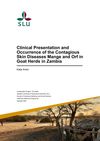 January 2025 in “Epsilon Archive for Student Projects (University of Southampton)”
 Mange and orf are present in some goat herds in Zambia, but more research is needed.
 December 2024 in “Clinical Cosmetic and Investigational Dermatology”
 Alopecia areata might help slow down certain cancers.
Meis2 is essential for whisker development, independent of nerve involvement.
 November 2024 in “Communities in ADDI (University of the Basque Country)”
 Antisense oligonucleotides show promise for treating Myotonic Dystrophy type I.
Hit15 shows promise as a COVID-19 treatment by reducing virus infection and inflammation.
 November 2024 in “American Journal of Biomedical Science & Research”
 The acne treatment improved skin texture and acne lesions but not scars.
 November 2024 in “PubMed”
 Carboxytherapy effectively and safely improves skin aging signs.
 October 2024 in “Irish Journal of Medical Science (1971 -)”
 Continuous glucose monitoring and GLP-1 receptor agonists improve diabetes management, but personalized care and education are crucial.
Phyla nodiflora contains compounds that may help treat diabetes, hair loss, cancer, and fluid retention.
 August 2024 in “Biomedical Journal of Scientific & Technical Research”
 Jute leaves may help reduce DHT levels, potentially aiding in conditions like hair loss and prostate issues.
Four genes are linked to alopecia areata, with two increasing risk and two offering protection.
 May 2024 in “Portuguese journal of dermatology and venereology”
 Reassurance and counseling are key in managing acute telogen effluvium, with supplements possibly offering a placebo effect.
 May 2024 in “Plant and Soil”
 Root hairs in maize grow mainly in air-filled pores, limiting their role in nutrient uptake and plant anchorage.
Women with PCOS have lower self-esteem and body image satisfaction.
The method creates realistic, anonymous acne face images for research, achieving 97.6% accuracy in classification.
 March 2024 in “International Research Journal of Modernization in Engineering Technology and Science”
 The herbal shampoo made hair shinier, smoother, and softer without side effects.
 March 2024 in “Tropical Journal of Natural Product Research”
 Many people in Fez-Meknes use potentially toxic plants for various health and cosmetic purposes, but more research is needed to ensure their safety.
 February 2024 in “Research Square (Research Square)”
 Proteins from Tianshan red deer abomasum have strong anti-inflammatory, anti-tumor, and antioxidant effects.
 February 2024 in “Scientific reports”
 Four genes are potential markers for hair loss condition alopecia areata, linked to a specific type of cell death.
 February 2024 in “Frontiers in physics”
 The new model detects hair clusters more accurately and efficiently, helping with early hair loss treatment and diagnosis.
 February 2024 in “Plant Cell Reports”
 AtVPS29 is essential for proper plant growth by regulating gibberellin signaling.
 January 2024 in “Diabetes & metabolism journal”
 Disrupting natural body clocks increases the risk of developing type 2 diabetes.
 January 2024 in “Research Square (Research Square)”
 Traditional Chinese medicine may help treat ischemic stroke by targeting specific genes and pathways.