 36 citations
,
June 2021 in “Experimental & Molecular Medicine”
36 citations
,
June 2021 in “Experimental & Molecular Medicine” Targeting Hedgehog signaling may help treat ligamentum flavum fibrosis.
2 citations
,
September 2020 in “International Journal of Molecular Sciences” Removing certain hair follicle stem cells worsens skin reactions to allergens.
 130 citations
,
September 2018 in “Cell Reports”
130 citations
,
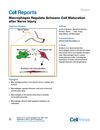
September 2018 in “Cell Reports” Macrophages help heal nerves by aiding the maturation of Schwann cells and are important for nerve repair.
 February 2024 in “Journal of the American Academy of Dermatology”
 Vascular patterns in dermoscopy help tell apart malignant and benign skin tumors.

Hair follicle stem cells are crucial for touch sensation and proper nerve structure in mice.
 4 citations
,
April 2019 in “Gynecological Endocrinology”
4 citations
,
April 2019 in “Gynecological Endocrinology” Certain gene variations are found in people with polycystic ovary syndrome.
miR-214-3p helps nerve repair and recovery.
 2 citations
,
June 1987 in “British Journal of Dermatology”
2 citations
,
June 1987 in “British Journal of Dermatology” Warming hands improves blood flow in people with systemic sclerosis.
47 citations
,
August 2016 in “American Journal Of Pathology” Fibroblast changes in systemic sclerosis may help understand disease severity and treatment.
 1 citations
,
January 2008 in “Springer eBooks”
1 citations
,
January 2008 in “Springer eBooks” Hair follicle stem cells can turn into many cell types and may help repair nerve damage and have other medical uses.
 November 2023 in “Research Square (Research Square)”
 NIR-II imaging effectively tracked stem cells that helped repair facial nerve defects in rats.
 April 2026 in “Research Square”
 E13 fetal mouse fibroblast vesicles may help reduce scarring.
48 citations
,
July 1993 in “Archives of Dermatological Research” Merkel cells are abundant in facial vellus hair follicles, especially during the anagen phase.
June 2025 in “Proceedings of the National Academy of Sciences” A PIK3CA mutation in Schwann cells causes severe nerve damage and increased glycolysis, but early treatment can help.
2 citations
,
November 2010 in “Obstetrics and Gynecology Clinics of North America” Laser therapy is a safe, effective, and preferred treatment for spider veins.
 March 2015 in “Polish Journal of Public Health”
 Blood vessel patterns in skin diseases relate to certain blood markers in systemic sclerosis but not in psoriasis or psoriatic arthritis, and may indicate circulation issues in alopecia.
February 2014 in “PubMed” Modified rat hair follicle stem cells can help create artificial hair follicles, blood vessels, and skin.
1 citations
,
March 1991 in “PubMed” Naevoid bundle hair is an unusual hair growth pattern where multiple hairs fuse together.
 November 2022 in “The journal of investigative dermatology/Journal of investigative dermatology”
 The study suggests a link between varicella-zoster virus and segmental vitiligo, with evidence of the virus disrupting skin pigment cells.
July 2024 in “Journal of Investigative Dermatology” Certain substances can help skin cells become anti-inflammatory, aiding in tissue repair.
 August 2021 in “Pelviperineology”
 Fascial Manipulation treatment helped a woman with vulvodynia and other health issues.
123 citations
,
January 2020 in “International Journal of Molecular Sciences” Understanding fibroblasts can help create treatments to reduce scars and improve healing.
106 citations
,
February 2014 in “eLife” Lanceolate complexes in mouse hair follicles are essential for touch and depend on specific cells for maintenance and regeneration.
 33 citations
,
November 2012 in “JAMA Dermatology”
33 citations
,
November 2012 in “JAMA Dermatology” Most women with weird scalp feelings had neck spine problems, and some got better with gabapentin treatment.
8 citations
,
June 2025 in “Stem Cell Research & Therapy” Exosome therapy may help treat diabetic nerve damage, but more research is needed.
22 citations
,
April 2022 in “Stem cell research & therapy” Hair follicle-derived extracellular vesicles may help heal chronic wounds as effectively as those from adipose tissue.
 January 2024 in “OPAL (Open@LaTrobe) (La Trobe University)”
 TRPV3 channels are involved in skin processes and are affected by shear stress, influencing itch and mechanotransduction.
 January 2007 in “The Year book of surgery”
 Mast cells and VEGF contribute to post-surgery adhesions, and blocking VEGF can reduce these adhesions; also, certain factors affect wound healing and fetal skin heals differently with age.
46 citations
,
April 1987 in “Brain Research” Hair-follicle nerves in cats' spinal cords can be inhibited by GABA-related connections.
miR-214-3p helps nerve repair and recovery.