 March 2025 in “Pakistan Journal of Health Sciences”
 Intralesional steroids improve Alopecia Areata, and trichoscopy effectively tracks this improvement.
 June 2024 in “British Journal of Dermatology”
 PRP with topical minoxidil is the most effective treatment for increasing hair density in androgenetic alopecia.
January 2022 in “Clinical Cases in Dermatology” A 12-year-old boy has a rare, harmless hair loss on his chin with no need for treatment.
 April 2016 in “Journal of The American Academy of Dermatology”
 Different treatments are effective for hair loss conditions, but results vary by individual factors.
 January 2013 in “Российский журнал кожных и венерических болезней”
 Combining zinc hyaluronate electroporation with photostimulating therapy is more effective for treating hair loss in men and women.
Asian patients show different trichoscopy features compared to Caucasians, like thicker hair and different alopecia signs.
 July 1997 in “The Lancet”
 Finasteride increased hair count and regrowth in men with hair loss but also caused more sexual side effects than placebo.
 June 2020 in “Journal of Investigative Dermatology”
 Leukocyte-rich platelet-rich plasma is safe and can potentially help treat scarring hair loss.
 August 2019 in “Journal of The American Academy of Dermatology”
 Platelet-rich plasma helps hair regrowth and improves quality of life in women with hair loss, but minoxidil may be more effective.
 January 2018 in “Sohag Medical Journal”
 Combining topical dutasteride with microneedling is more effective for hair growth than microneedling alone.
 May 2015 in “Hair transplant forum international”
 Androgenetic alopecia causes hair loss by shrinking hair follicles due to androgens, with the connection between the muscle and hair follicle determining if the loss is reversible.
 January 2007 in “Revista del Centro Dermatológico Pascua”
 Hair loss in women, often not related to male hormones, increases with age and can cause significant emotional distress.
 14 citations
,
April 2020 in “Journal of Cosmetic Dermatology”
14 citations
,
April 2020 in “Journal of Cosmetic Dermatology” QR678 treatments were more effective and comfortable for male hair loss than PRP treatments.
11 citations
,
September 1990 in “Clinical Endocrinology” Girls with prepubertal simple hypertrichosis have higher dihydrotestosterone (DHT) levels.
July 2026 in “Anais Brasileiros de Dermatologia” AGA and SD share similar features, making diagnosis challenging.
December 2024 in “Benha Journal of Applied Sciences” Early intervention and continuous treatment are key for managing hereditary hair loss effectively.
 September 2022 in “Intisasi sains media”
 A young child with complete hair loss improved significantly with a combination of hair growth treatments and laser therapy.
March 2022 in “International Journal of Trichology” Erlotinib can cause unusual hair growth, like long eyelashes and facial hair.
 April 2020 in “Trends in Immunotherapy”
 Combining triamcinolone acetonide and immunotherapy can help regrow hair in some alopecia totalis patients.
 October 2015 in “Elsevier eBooks”
 Minoxidil is effective for hair growth and safe for long-term use.
 January 1993 in “Journal of International Medical Research”
 The document corrects errors in previous articles, including a reversed term, updated subject weights, hair count data, and reference numbering.
December 2022 in “Plastic and Reconstructive Surgery” PRPF is a safer and more effective treatment for hair loss than PRP.
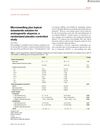 June 2022 in “Journal of The European Academy of Dermatology and Venereology”
 Microneedling with topical dutasteride improves hair growth in men with hair loss and is safe to use.
Minoxidil shampoo showed slight hair growth but needs longer testing for clear results.
January 2015 in “프로그램북(구 초록집)” Trichoscopy effectively diagnoses and assesses hair loss severity in androgenetic alopecia and alopecia areata.
 1 citations
,
October 2020 in “International Journal of Research in Dermatology”
1 citations
,
October 2020 in “International Journal of Research in Dermatology” The study concluded that short vellus hair and yellow dots were the most common signs of alopecia areata, indicating disease activity and remission.
 32 citations
,
October 2009 in “Dermatology”
32 citations
,
October 2009 in “Dermatology” Telogen effluvium is a hair loss condition with acute cases resolving quickly and chronic cases potentially lasting longer, sometimes requiring treatment.
 August 1996 in “Journal of Pediatric and Adolescent Gynecology”
 The document concludes that PCOS in adolescents is complex and requires comprehensive care to manage its symptoms and associated health risks.
January 2025 in “Surgical & Cosmetic Dermatology” Temporal triangular alopecia causes permanent hair loss and can be managed with treatments like minoxidil or hair transplantation.
December 2025 in “Al-Azhar International Medical Journal /Al-Azhar International Medical Journal” Using both trichoscopy and folliscopy together improves hair loss diagnosis in men.