ILC1-like cells may contribute to hair loss in alopecia areata.
 January 1994 in “Nippon Ronen Igakkai Zasshi Japanese Journal of Geriatrics”
 Both VEPA and ML-Y1 treatments are not effective enough for elderly non-Hodgkin's lymphoma patients.
45 citations
,
September 2012 in “The Journal of Steroid Biochemistry and Molecular Biology” Vitamin D3 and its receptor help protect skin from UVB-related cancer.
 32 citations
,
January 2017 in “Orphanet journal of rare diseases”
32 citations
,
January 2017 in “Orphanet journal of rare diseases” FOXN1 gene mutations cause a rare, severe immune disease treatable with cell or tissue transplants.
 11 citations
,
September 2011 in “Biochemical journal”
11 citations
,
September 2011 in “Biochemical journal” Neurotrophin-4 increases calcium current in specific mouse neurons through the PI3K pathway.
 October 2023 in “Scientific Reports”
 Gene therapy helped rats with a specific type of rickets grow hair without severe inflammation.
August 1994 in “American Journal of Veterinary Research” Monoclonal antibody B72.3 selectively reacts with certain dog tissues, mainly in the gastrointestinal and respiratory tracts.
28 citations
,
May 2012 in “Experimental Dermatology” Alopecia areata helps study T cell-driven autoimmune diseases.
 47 citations
,
December 2019 in “Frontiers in immunology”
47 citations
,
December 2019 in “Frontiers in immunology” A new mutation in the STING protein causes a range of symptoms and its severity may be affected by other genetic variations; treatment with a specific inhibitor showed improvement in one patient.
2 citations
,
May 2025 in “IntechOpen eBooks” Early treatment with corticosteroids and immunosuppressants is crucial for managing Vogt-Koyanagi-Harada disease.
 September 2017 in “The journal of investigative dermatology/Journal of investigative dermatology”
 Blocking CCR5 can prevent and improve hair loss in alopecia areata.
21 citations
,
April 2019 in “Journal of cutaneous pathology” People with alopecia areata have fewer regulatory T-cells than those with other skin conditions.
 9 citations
,
July 2008 in “Oncology Reports”
9 citations
,
July 2008 in “Oncology Reports” HPV16-transformed cells can change human skin cell properties, aiding tumor growth.
 1 citations
,
May 2026 in “Nature Communications”
1 citations
,
May 2026 in “Nature Communications” CD19-CAR T cell therapy may help regenerate skin in systemic sclerosis.
2 citations
,
August 2002 in “British Journal of Ophthalmology” Tangent screens help detect visual field defects from vigabatrin.
 24 citations
,
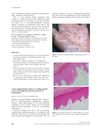
September 2008 in “Clinical and experimental dermatology”
24 citations
,
September 2008 in “Clinical and experimental dermatology” Repigmentation in vitiligo may come from melanocyte stem cells in the skin.
26 citations
,
May 2020 in “JCI Insight” Alopecia areata involves specific immune cells, offering potential treatment targets.
Higher PD-1 levels mean fewer CD8+ T cells in alopecia areata hair follicles.
2 citations
,
December 2010 in “Zhonghua neifenmi daixie zazhi” AHST shows promise for treating type 1 diabetes but needs more research before widespread use.
 7 citations
,
August 2013 in “Experimental and Therapeutic Medicine”
7 citations
,
August 2013 in “Experimental and Therapeutic Medicine” 1,25-dihydroxyvitamin D3 helps melanocyte precursors from hair follicles grow and produce melanin, aiding vitiligo treatment understanding.
16 citations
,
April 2024 in “Proceedings of the National Academy of Sciences” HDAC4 and HDAC7 are crucial for Th17 cell development and could be targeted to treat inflammatory diseases.
 4 citations
,
June 2020 in “British Journal of Pharmacology”
4 citations
,
June 2020 in “British Journal of Pharmacology” Activating TRPV4 in skin cells helps regrow hair in mice, possibly offering a treatment for hair loss.
7 citations
,
October 2008 in “Arthritis Care & Research” Aggressive immunosuppressive treatment improved a woman's severe heart condition linked to autoimmune disease.
9 citations
,
March 2017 in “Journal of Visualized Experiments” The assay effectively identifies compounds that affect immune cell activation.
 July 2023 in “The journal of investigative dermatology/Journal of investigative dermatology”
 Assessing CD8+ T cell levels before surgery may improve vitiligo treatment outcomes.
 64 citations
,
July 2016 in “Journal of Immunology”
64 citations
,
July 2016 in “Journal of Immunology” Blocking the CXCR3 receptor reduces T cell accumulation in the skin and prevents hair loss in mice.
 3 citations
,
January 2008 in “Journal of the American Academy of Dermatology”
3 citations
,
January 2008 in “Journal of the American Academy of Dermatology” A patient's skin rash did not affect the area where a previous viral rash was healing, suggesting a rare immune response.
November 2025 in “Journal of Investigative Dermatology” Chronic refractory alopecia areata has more skin-resident memory T cells, and JAK inhibitors may help reduce them.
 59 citations
,
September 2007 in “Biochemical and Biophysical Research Communications”
59 citations
,
September 2007 in “Biochemical and Biophysical Research Communications” The TRPV3 gene mutation affects hair growth by keeping mice in the growth phase longer, which could help treat hair loss.
January 2026 in “Contemporary Clinical Dentistry” VKHD can include rare oral symptoms like discolored teeth.