 May 2026 in “Journal of Clinical Medicine”
 COVID-19 pandemic increased alopecia areata cases and hospitalizations.
April 2026 in “Clinical and Experimental Dermatology” Dupilumab effectively reduces symptoms of prurigo nodularis and is safe for long-term use.
 December 2025 in “Biology Bulletin”
 Baikal seals' skin shows normal features for protection and some pathologies possibly linked to climate change or a virus.
November 2025 in “Biomedicines” Hypochlorous acid is a safe, effective antimicrobial with potential in various medical fields, but more research is needed to improve its stability and use.
Essential oils are effective in skincare for treating acne, hyperpigmentation, and aging, and act as natural preservatives.
 November 2025 in “Journal of Disease and Public Health”
 Post-COVID-19 syndrome is complex, affects 5%-10% of people, and requires better research and global collaboration for treatment.

RNase L hinders hair follicle regeneration by altering immune signals.
 October 2025 in “Revista Ibero-Americana de Humanidades, Ciências e Educação”
 Dengue can cause anxiety, depression, and other mental health issues.

New-onset fibromyalgia after COVID-19 is poorly understood, needing better definitions and studies.
August 2025 in “International Journal of Clinical Dermatology” A new skin cancer can develop where shingles once occurred.

COVID-19 can trigger a relapsing form of hair loss, requiring long-term treatment strategies.
 February 2025 in “Journal of Clinical Investigation”
 RNase L hinders hair growth by altering immune signals.
December 2024 in “Biochemical and Biophysical Research Communications” LMWP-PDGFA shows promise for improving hair health and treating hair loss with fewer side effects.
Hit15 shows promise as a COVID-19 treatment by reducing virus infection and inflammation.
 March 2024 in “IP Indian journal of clinical and experimental dermatology”
 Elderly in South India commonly suffer from skin issues like wrinkles, dryness, and infections, needing better skin care education.
 January 2024 in “Authorea (Authorea)”
 Convalescent Plasma Therapy may help treat COVID-19 Long-Hauler symptoms.
January 2024 in “Pharmacokinetics and Pharmacodynamics” Human placenta extracts may help treat various diseases.
Older Julia Creek dunnarts often have reproductive and hormonal health issues.
 January 2024 in “Editora In Vivo eBooks”
 Veterinarians are essential for ensuring animal welfare and safe meat products in Brazil.
 December 2023 in “Research Square (Research Square)”
 People with Down syndrome have higher rates of certain immune-related conditions and need special medical attention.
 November 2023 in “The Bovine practitioner”
 A bull got very sick and had to be put down after eating hairy vetch for months.
Recognizing unusual brain and skin symptoms is crucial for diagnosing lupus early.
 September 2023 in “HAL (Le Centre pour la Communication Scientifique Directe)”
 Peptide nanoparticles can effectively deliver CRISPR-Cas9 to target KRAS mutations in cancer.
 June 2023 in “SPIRE - Sciences Po Institutional REpository”
 Extracellular vesicles and androgen receptors may help identify prostate cancer resistance and reduce SARS-CoV-2 infection.
 June 2023 in “BMC Pharmacology and Toxicology”
 The trial will test if proxalutamide is safe and effective in reducing death in severe COVID-19 patients.
May 2023 in “The Journal of Immunology” BST2 is a key marker for hair loss disease alopecia areata.
 April 2023 in “Journal of Investigative Dermatology”
 Injecting anti-herpes antibodies locally can prevent skin lesions and sweating problems caused by herpes simplex virus in mice.
April 2023 in “Journal of Investigative Dermatology” RNase L suppresses regeneration in mammals.
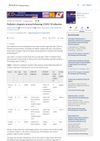 January 2023 in “Journal of Cosmetic Dermatology”
 Some children may develop hair loss after having COVID-19.
 December 2022 in “bioRxiv (Cold Spring Harbor Laboratory)”
 The new vaccine platform led to a stronger immune response and better protection against the flu than the traditional vaccine.