10 citations
,
August 2024 in “ACS Omega” Nanocosmetics with natural extracts offer benefits but need more research on safety and environmental impact.
1 citations
,
November 2023 in “Polymers” Polyurethane dressings show promise for wound healing but need improvements to adapt better to the healing process.
January 2026 in “Pharmaceutics” Nanotechnology in skincare improves ingredient stability, skin penetration, and controlled release for better cosmetic solutions.
 April 2017 in “Journal of Investigative Dermatology”
 A virus protein can activate a pathway that may lead to abnormal hair follicle development.
4 citations
,
September 2011 in “Journal of the American Academy of Dermatology” A man developed a skin cancer called folliculotropic mycosis fungoides after a kidney transplant.
 1 citations
,
December 2020 in “Journal of Experimental Biology and Agricultural Sciences”
1 citations
,
December 2020 in “Journal of Experimental Biology and Agricultural Sciences” COVID-19 is caused by a virus from bats, and efforts focus on prevention and treatment research.
37 citations
,
December 2020 in “Molecules” A new delivery system makes Curcumin more effective and safer against viruses.
3 citations
,
January 2023 in “Indian Dermatology Online Journal” COVID-19 vaccines can cause mild to moderate skin reactions, mostly after the first dose.
 46 citations
,
January 2020 in “Theranostics”
46 citations
,
January 2020 in “Theranostics” Injecting a special gel with human protein particles can help hair grow.
 November 2022 in “Journal of Pharmaceutical Negative Results”
 Vaccination is crucial for managing Covid-19 despite new virus strains.
 11 citations
,
March 2019 in “Journal of Medicinal Chemistry”
11 citations
,
March 2019 in “Journal of Medicinal Chemistry” Some synthetic carbohydrate receptors, especially compounds 3 and 15, show strong potential for treating Zika virus.
 January 2023 in “Acta dermatovenerologica Alpina, Pannonica et Adriatica (Tiskana izd.)”
 The article concludes that schoolchildren and adolescents experienced various skin issues during the COVID-19 pandemic, including acne from masks and other skin reactions from the virus and vaccines.
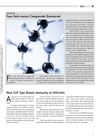 December 2011 in “Asia-Pacific biotech news”
 In 2011, there were major scientific breakthroughs in cancer treatment, immunity, Parkinson's, virus simulation, schizophrenia, hair growth, lung cancer, and medical grafts.
 10 citations
,
September 2021 in “International Journal of Nanomedicine”
10 citations
,
September 2021 in “International Journal of Nanomedicine” Tiny particles called extracellular vesicles show promise for treating skin conditions and promoting hair growth.
 8 citations
,
June 2022 in “International Journal of Molecular Sciences”
8 citations
,
June 2022 in “International Journal of Molecular Sciences” Tiny particles called extracellular vesicles show promise for skin improvement and anti-aging in facial care but face challenges like low production and lack of research.
 July 2022 in “The journal of investigative dermatology/Journal of investigative dermatology”
 The early genes of a specific virus can cause abnormal skin cell growth and hair follicle changes.
 January 2021 in “International Journal of Dermatology”
 Possible link between COVID-19 and hair loss; more research needed.
28 citations
,
May 2000 in “Proceedings of the National Academy of Sciences” The Walleye dermal sarcoma virus cyclin causes excessive skin cell growth in mice.
 July 2022 in “International Journal of Health Sciences”
 COVID-19 survivors may face long-term health issues affecting both mind and body.
1 citations
,
January 2024 in “Microorganisms” Mice with a virus similar to COVID-19 had skin damage, but a special treatment helped repair it.
9 citations
,
December 2021 in “Journal of Cellular and Molecular Medicine” HAT-MSCs can effectively engulf harmful microbes and particles, aiding infection treatment.
 31 citations
,
June 2020 in “Dermatologic Therapy”
31 citations
,
June 2020 in “Dermatologic Therapy” Patients with chronic skin conditions on systemic treatments did not have worse COVID-19 outcomes and could resume their treatments after recovery.
 20 citations
,
March 2017 in “Reproductive Biology and Endocrinology”
20 citations
,
March 2017 in “Reproductive Biology and Endocrinology” Women with PCOS have higher 5α-reductase activity, which may be linked to insulin resistance.
52 citations
,
September 2022 in “Viruses” SARS-CoV-2 proteins help the virus avoid the immune system, delaying response and increasing inflammation.
 41 citations
,
December 2008 in “Journal of the American Academy of Dermatology”
41 citations
,
December 2008 in “Journal of the American Academy of Dermatology” Oral valganciclovir improved a patient's skin condition caused by immunosuppression.
 96 citations
,
September 2021 in “International Journal of Molecular Sciences”
96 citations
,
September 2021 in “International Journal of Molecular Sciences” Chitosan, a natural substance, can be used to create tiny particles that effectively deliver various types of drugs, but more work is needed to improve stability and control of drug release.
 22 citations
,
September 2004 in “Journal of The European Academy of Dermatology and Venereology”
22 citations
,
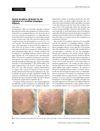
September 2004 in “Journal of The European Academy of Dermatology and Venereology” Bimatoprost can cause longer, thicker, darker eyelashes and eyebrows.
 21 citations
,
March 2019 in “Journal of The American Academy of Dermatology”
21 citations
,
March 2019 in “Journal of The American Academy of Dermatology” The review highlights the need for more research on transgender dermatology, the role of dermatologists in gender affirmation, and the effects of hormone therapy on skin and hair.
 9 citations
,
May 2021 in “Dermatologic Therapy”
9 citations
,
May 2021 in “Dermatologic Therapy” Possible link between androgens and COVID-19 severity; more research needed.
 7 citations
,
April 2021 in “Dermatology and Therapy”
7 citations
,
April 2021 in “Dermatology and Therapy” H-1 antihistamines may help with various skin conditions, but more research is needed to confirm their effectiveness.