 January 2026 in “BMC Veterinary Research”
 A genetic variant in "Blonde d'Aquitaine" calves causes death at birth due to a missing protein.
November 2025 in “PLoS ONE” Nucleic acids trigger chemokine production in skin cells, affecting skin inflammation.
 198 citations
,
April 2020 in “Journal of Endocrinological Investigation”
198 citations
,
April 2020 in “Journal of Endocrinological Investigation” The virus was not found in the semen and urine of a man who tested positive for COVID-19.
19 citations
,
June 2021 in “The world journal of men's health” Using anabolic-androgenic steroids can harm men's reproductive health and increase the risk of heart problems and death.
4 citations
,
June 2025 in “Cell Reports” Clonally expanded CD8+ T cells cause alopecia areata.
409 citations
,
May 1991 in “Genes & Development” TGF-alpha affects skin thickness, hair growth, and may contribute to psoriasis and papilloma formation.
87 citations
,
February 2000 in “Journal of Investigative Dermatology” Stem cells in developing hair follicles move to specific areas as they mature.
13 citations
,
August 2023 in “Developmental Cell” Mechanosensory neurons adapt to different skin types after birth.
8 citations
,
November 2024 in “EMBO Molecular Medicine” Targeting JAK-STAT1 can reduce inflammation and promote hair growth in conditions linked to EGFR deficiency.
1 citations
,
January 2024 in “International journal of molecular sciences” TRPV4 helps cells repair tissue and reduce scarring by controlling calcium levels.
37 citations
,
December 2020 in “Molecules” A new delivery system makes Curcumin more effective and safer against viruses.
9 citations
,
July 2022 in “International Journal of Molecular Sciences” Prenatal THC exposure may harm ovarian health and fertility.

CaBP1 and 2 are necessary for maintaining calcium currents and hearing in inner ear cells.
 133 citations
,
May 2016 in “Cell Host & Microbe”
133 citations
,
May 2016 in “Cell Host & Microbe” Human dermal fibroblasts are the main cells targeted by a virus that can cause a deadly skin cancer, and a certain inhibitor can effectively block this infection.
 13 citations
,
October 2021 in “The Journal of Microbiology”
13 citations
,
October 2021 in “The Journal of Microbiology” Human placenta hydrolysate may help treat COVID-19 by reducing virus replication and boosting immune response.
Hit15 shows promise as a COVID-19 treatment by reducing virus infection and inflammation.
 November 2022 in “Journal of Pharmaceutical Negative Results”
 Vaccination is crucial for managing Covid-19 despite new virus strains.
 September 2020 in “arXiv (Cornell University)”
 Some existing drugs and natural products might work against COVID-19 by targeting the virus's main protease.
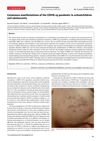 January 2023 in “Acta dermatovenerologica Alpina, Pannonica et Adriatica (Tiskana izd.)”
 The article concludes that schoolchildren and adolescents experienced various skin issues during the COVID-19 pandemic, including acne from masks and other skin reactions from the virus and vaccines.
 5 citations
,
December 2021 in “Physiological Research”
5 citations
,
December 2021 in “Physiological Research” Men, particularly those with hair loss, are more likely to get the virus, and those with prostate cancer may have milder symptoms. Testosterone's role in the disease is unclear, and the virus doesn't seem to harm male fertility. Women with PCOS might be at higher risk. More research is needed.
 July 2025 in “Cermin Dunia Kedokteran”
 Nasopharyngeal carcinoma is a common cancer in Indonesia, with risk factors including genetics, diet, and Epstein-Barr virus, and is treated with advanced radiotherapy.
 April 2012 in “Lab Animal”
 Early exposure to germs may protect against autoimmune diseases, lack of sex increases alcohol preference in fruit flies, a potential baldness treatment could involve blocking a specific receptor, skin memory cells help prevent re-infection, high-fat diets can affect brain cells related to weight, and the link between social status, stress, and heart disease in primates is unclear.
 December 2011 in “Asia-Pacific biotech news”
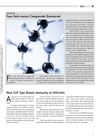
 In 2011, there were major scientific breakthroughs in cancer treatment, immunity, Parkinson's, virus simulation, schizophrenia, hair growth, lung cancer, and medical grafts.
1 citations
,
January 2024 in “Microorganisms” Mice with a virus similar to COVID-19 had skin damage, but a special treatment helped repair it.
57 citations
,
April 2009 in “Differentiation” SDF-1/CXCL12 and its receptor CXCR4 are crucial for melanocyte movement in mouse hair follicles.
52 citations
,
September 2022 in “Viruses” SARS-CoV-2 proteins help the virus avoid the immune system, delaying response and increasing inflammation.
13 citations
,
September 2023 in “Medical Gas Research” Nitric oxide may help treat COVID-19 pneumonia by fighting the virus and easing symptoms.
 March 2025 in “Nature Communications”
 NSC167409 can effectively inhibit the virus causing hand, foot, and mouth disease.
 April 2022 in “Biomedicine & Pharmacotherapy”
 CXCL12 protein slows down hair growth through its receptor CXCR4. Blocking this can potentially increase hair growth.

TLR3 signaling enhances the immunosuppressive properties of human periodontal ligament stem cells.