 November 2025 in “Khalij-Libya Journal of Dental and Medical Research”
 Hair loss is linked to low levels of zinc, vitamin D, and ferritin.
 October 2025 in “Diseases”
 Women with hair loss often have deficiencies in iron, vitamins, minerals, and lower thyroid function, suggesting the need for nutritional and hormonal treatment.
October 2025 in “Medical Journal of Babylon” Higher testosterone and lower Vitamin D levels are linked to hair loss in female COVID-19 patients.
 September 2025 in “Journal of Dhaka Medical College”
 Lower vitamin D levels are linked to more severe alopecia areata.

Vitamin D3 helps treat mild to moderate alopecia areata, especially when combined with other treatments.

Vitamin D deficiency and altered lipid metabolism may contribute to female hair loss.
Vitamin D3 is crucial for health, preventing issues like bone disorders and hair loss.
 February 2025 in “Iraqi Journal of Science”
 PCOS patients have higher LDH and lower cortisol, dopamine, zinc, and vitamin D3, which may contribute to their symptoms and obesity.
 January 2025 in “Plastic Surgery and Reconstructive Medicine”
 Plasmatherapy improves immune status in vitiligo patients, especially those with segmental vitiligo.
November 2024 in “Journal of Medical and Life Science” Vitamin D and Zinc deficiencies can cause various symptoms, but supplements and lifestyle changes can improve them.
 October 2024 in “Frontiers in Nutrition”
 Vitamin D deficiency is common in people with certain types of hair loss, like alopecia areata and female pattern hair loss.
 August 2024 in “IAHS Medical Journal”
 Low vitamin D and ferritin levels are linked to female hair loss.
 August 2024 in “Journal of Cosmetic Dermatology”
 Telogen effluvium is linked to deficiencies in iron, vitamin B12, and thyroid function.
 May 2024 in “International Journal of Advanced Academic Studies”
 Vitamin E helps reduce PCOS symptoms and improves hormonal balance.
 January 2024 in “World Journal of Biology Pharmacy and Health Sciences”
 High prolactin and low vitamin D levels may be linked to hair loss in women.
 January 2024 in “Fitoterapia”
 Vitamin D3 is crucial for immune and bone health, with most consumers being women who follow doctor advice.
October 2023 in “Journal of Pakistan Association of Dermatologists” Vitamin D3 analogues can improve hair growth in people with alopecia areata.
 September 2023 in “Journal of Cosmetic Dermatology”
 Lower vitamin D levels are linked to higher CRP levels in people with a type of hair loss called alopecia areata.
 August 2023 in “İzmir tepecik eğitim hastanesi dergisi”
 Vitamin D levels do not significantly relate to the causes of PCOS or DOR in infertile patients.
May 2023 in “Minia Journal of Medical Research” Vitamin D levels in hair and serum are similar for males and females.
Low vitamin D3 is not linked to different levels of thyroid hormones in people with autoimmune thyroid disease.

Vitamin D is crucial for skin health and managing skin diseases.
 January 2022 in “Medical research archives”
 Taking vitamin D might improve life for MS patients and reduce skin side effects from alemtuzumab treatment.
 January 2022 in “Indian journal of dermatopathology and diagnostic dermatology”
 Women with diffuse hair loss often have lower iron and vitamin D levels, but their thyroid function is typically normal.
 July 2021 in “PARIPEX INDIAN JOURNAL OF RESEARCH”
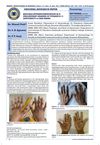
 Knuckle darkening can be an early sign of vitamin B12 deficiency.
 December 2020 in “Our Dermatology Online”
 Skin biopsies are recommended for confirming alopecia diagnosis due to variability in clinical assessments; the link between vitamin D levels and alopecia is unclear.
June 2019 in “Kufa journal for veterinary medical sciences” Vitamin C deficiency causes severe skin problems in newborn dairy calves.
 January 2019 in “Kocaeli tıp dergisi”
 People with chronic hair loss may have a higher chance of Vitamin B12 deficiency.
The levels of zinc, vitamin D, ferritin, and selenium are different in people with androgenic alopecia compared to a control group.
 February 2018 in “Egyptian Journal of Radiation Sciences and Applications”
 Patients with Discoid Lupus Erythematosus have lower vitamin D and antioxidant levels and higher oxidative stress.