 May 2025 in “The Journal of Rheumatology”
 Early diagnosis and treatment are crucial for CAPS, and Eculizumab can be effective.
 May 2025 in “The Journal of Rheumatology”
 Trans-esophageal echocardiography is crucial for accurately diagnosing heart issues in lupus patients.
 May 2025 in “The Journal of Rheumatology”
 Chronic granulomatous disease may be linked to developing systemic lupus erythematosus.
 May 2025 in “The Journal of Rheumatology”
 Anifrolumab may help improve symptoms in patients with overlapping autoimmune diseases.
 May 2025 in “The Journal of Rheumatology”
 Proactive physical therapy improved mobility, reduced fatigue, and pain in lupus patients.
 May 2025 in “The Journal of Rheumatology”
 Mixed Connective Tissue Disease can develop from overlapping symptoms of several autoimmune diseases, making diagnosis complex.
 May 2025 in “The Journal of Rheumatology”
 Anti-CD19 therapy may help treat SLE and NMOSD.
 May 2025 in “The Journal of Rheumatology”
 Early recognition and management of gastrointestinal tuberculosis in lupus patients are crucial to prevent complications.
 May 2025 in “The Journal of Rheumatology”
 Catatonia can be a rare sign of lupus, needing careful diagnosis and treatment.
 May 2025 in “The Journal of Rheumatology”
 Purpura fulminans can signal underlying autoimmune disorders, not just infections.
 May 2025 in “The Journal of Rheumatology”
 Lupus patients in Ghana face healthcare challenges, and the Oyemam Autoimmune Foundation is working to improve awareness and support.
May 2025 in “The Journal of Rheumatology” Bullous lupus can cause severe esophageal issues but responds well to corticosteroids and azathioprine.
 May 2025 in “The Journal of Rheumatology”
 Atypical symptoms in lupus can indicate different kidney issues.
 May 2025 in “The Journal of Rheumatology”
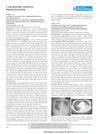
 Correct diagnosis is crucial for treating overlapping conditions like NMOSD and SLE effectively.
 May 2025 in “The Journal of Rheumatology”
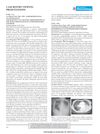
 Middle-aged women with dilated cardiomyopathy should be screened for antiphospholipid syndrome.
 May 2025 in “The Journal of Rheumatology”
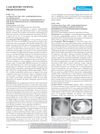
 Early recognition and a team approach are crucial for managing diffuse alveolar hemorrhage in antiphospholipid syndrome.
 May 2025 in “The Journal of Rheumatology”
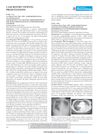
 Antiphospholipid syndrome can severely damage adrenal glands, requiring early diagnosis and treatment.
 May 2025 in “The Journal of Rheumatology”
 SLE can cause unusual gastrointestinal symptoms, and immunosuppressive therapy can be effective.

Early recognition and a multidisciplinary approach are crucial for effectively managing complex autoimmune conditions like SLE with CAPS and AHA.
 May 2025 in “Journal of medical and dental science research.”
 i-PRF and A-PRF are promising treatments for hair regrowth in androgenetic alopecia.
 March 2025 in “Buletin Veteriner Udayana”
 The cat's scabies and pneumonia improved significantly with treatment.
 March 2025 in “Mediterranean Journal of Rheumatology”
 Laser hair removal is safe for people with Systemic Lupus Erythematosus.
 March 2025 in “MINAR International Journal of Applied Sciences and Technology”
 Certain genes can predict how well breast cancer patients respond to chemotherapy.
 February 2025 in “American Journal of Medical Case Reports”
 A rare skin cancer was correctly diagnosed after surgery, highlighting the need for careful examination and follow-up.
 January 2025 in “Dermatology Review”
 Acitretin may cause salivary gland inflammation.
 January 2025 in “International Journal of Veterinary Sciences and Animal Husbandry”
 The cat fully recovered from the infection after treatment.
 January 2025 in “International Journal of Veterinary Science”
 Hibiscus leaf ointment helps hair growth and reduces UV skin damage in rats.
 January 2025 in “International Journal of Dermatology Research”
 Higher MPV and CRP levels may indicate more severe alopecia areata.
 January 2025 in “International Journal of Dermatology Venereology and Leprosy Sciences”
 Tofacitinib improved hair regrowth and quality of life in children with alopecia areata, with mild side effects.
 January 2025 in “Journal of Veterinary Medical Science”
 Environmental conditions can affect toxic mineral levels and gut bacteria in working dogs.