 52 citations
,
August 1978 in “Journal of Applied Polymer Science”
52 citations
,
August 1978 in “Journal of Applied Polymer Science” Human hair's ability to get wet is complex and can change with treatments, damage, and environment.
37 citations
,
October 2017 in “Saudi pharmaceutical journal” All evaluated shampoos meet Saudi standards.
 10 citations
,
November 1984 in “Journal of Colloid and Interface Science”
10 citations
,
November 1984 in “Journal of Colloid and Interface Science” The study found that the Marangoni effect causes the uneven wetting of surfactant-coated hair due to the surfactant moving into the water.
Water and fatty acids affect hair's surface differently based on hair damage, and models can help understand hair-cosmetic interactions.
November 2025 in “International Journal of Advanced Research in Science Communication and Technology” The herbal shampoo is effective and suitable for commercial sale.

The new method can tell how hair fibers react to moisture after treatments.
10 citations
,
August 2021 in “Cosmetics” The best shampoo formula used 1% high-weight hyaluronic acid, 10% acidic sophorolipid, and 1% salt for effective hair conditioning and cleansing without sulfates or silicones.
 11 citations
,
February 2019 in “Frontiers in Physiology”
11 citations
,
February 2019 in “Frontiers in Physiology” Hair properties are interconnected; a comprehensive, cross-disciplinary approach is essential for understanding hair behavior.
 140 citations
,
August 2011 in “Biomaterials”
140 citations
,
August 2011 in “Biomaterials” Keratose, derived from human hair, is a non-toxic biomaterial good for tissue regeneration and integrates well with body tissues.
 42 citations
,
April 2008 in “Acta materialia”
42 citations
,
April 2008 in “Acta materialia” Different ethnicities and treatments affect human hair strength and structure.
 7 citations
,
October 1963 in “Textile Research Journal”
7 citations
,
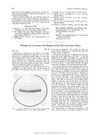
October 1963 in “Textile Research Journal” Merino wool fibers change shape with moisture, while human hair shape stays the same.
 6 citations
,
December 1966 in “Textile Research Journal”
6 citations
,
December 1966 in “Textile Research Journal” Animal hair fibers like wool and mohair are strong when dry, but vicuna fibers are very brittle.
 June 2026 in “International Journal of Drug Delivery Technology”
 Fast-dissolving nifedipine tablets were successfully developed for better oral delivery.
 October 2025 in “Current Pharmaceutical Research”
 The herbal shampoo effectively cleans hair and scalp while being environmentally friendly.
 14 citations
,
January 2025 in “AAPS PharmSciTech”
14 citations
,
January 2025 in “AAPS PharmSciTech” Microemulsions and nanoemulsions can effectively deliver drugs through the skin, but more research is needed to understand their differences and mechanisms.
125 citations
,
March 2017 in “Micromachines” Microfluidic technology improves cell spheroid creation for better drug testing and tissue engineering.
14 citations
,
November 2024 in “International Journal of Molecular Sciences” YAP and TAZ proteins control skin cell growth and repair.
4 citations
,
September 2020 in “Journal of Mind and Medical Sciences” The new sunscreen cream is effective, safe, and has good skin qualities.
 355 citations
,
August 2013 in “Acta Biomaterialia”
355 citations
,
August 2013 in “Acta Biomaterialia” The nanofibers with two growth factors improved wound healing by supporting structure, preventing infection, and aiding tissue growth.
 43 citations
,
November 2019 in “PLoS ONE”
43 citations
,
November 2019 in “PLoS ONE” MED23 and GNAQ genes are crucial for chicken feather color.
 1 citations
,
April 2026 in “Cancer Nanotechnology”
1 citations
,
April 2026 in “Cancer Nanotechnology” Nanozymes could improve cancer diagnosis and treatment by mimicking enzymes and enhancing delivery to tumors.
 June 2024 in “International journal of nanomedicine”
 Azelaic acid micro/nanocrystals, especially with ultrasound and salicylic acid, greatly improve acne treatment.

Experts created guidelines to better diagnose and treat uncommon fungal skin infections.
8 citations
,
June 2025 in “Stem Cell Research & Therapy” Exosome therapy may help treat diabetic nerve damage, but more research is needed.
4 citations
,
June 2024 in “Animals” Genes like MC1R, TYR, MITF, ASIP, and KIT determine horse and donkey coat colors and affect breeding and health.
 3 citations
,
April 2022 in “International Journal of Molecular Sciences”
3 citations
,
April 2022 in “International Journal of Molecular Sciences” Scientists turned mouse skin cells into hair-inducing cells using chemicals, which could help treat hair loss.
1 citations
,
February 2026 in “ACS Nano” The TLMG hydrogel improves wound healing and monitoring with strong adhesion and conductivity.
 6 citations
,
January 2000 in “Dermatology”
6 citations
,
January 2000 in “Dermatology” A girl's severely tangled hair couldn't be fixed and had to be cut due to a rare condition called plica neuropathica.
 66 citations
,
May 2021 in “Science Advances”
66 citations
,
May 2021 in “Science Advances” Different scaffold patterns improve wound healing and immune response in mouse skin, with aligned patterns being particularly effective.
 July 2018 in “Elsevier eBooks”
 Stopping tight hairstyles can prevent and reduce traction alopecia.