 38 citations
,
December 2012 in “Journal of Cutaneous Pathology”
38 citations
,
December 2012 in “Journal of Cutaneous Pathology” EVG staining is a valuable, simple, and cost-effective method for diagnosing various skin conditions in dermatopathology.
 September 2023 in “Curēus”
 A 21-year-old male has a benign skin condition called Becker's nevus, which he chose not to treat.
Sheep can lose wool quickly due to stress, but it doesn't cause itching or pain.
18 citations
,
February 2001 in “Der Hautarzt” A woman with myotonic dystrophy had multiple skin tumors on her scalp, suggesting a genetic link.
 December 2023 in “Clinical, cosmetic and investigational dermatology”
 The study found that white hair in vitiligo has specific patterns and structures, which vary with the stage of the disease and may be similar to another hair condition.
May 2025 in “Apollo Medicine” Trichoscopy is a useful tool for diagnosing and assessing the severity of alopecia areata.
13 citations
,
March 2008 in “Journal of the European Academy of Dermatology and Venereology” Triamcinolone acetonide therapy for hair loss may cause a skin condition called linear lichen planus.
January 2019 in “International Journal of Clinical & Medical Images” The patient showed signs of liver disease due to alcohol use but didn't need treatment for Dupuytren’s contracture.
45 citations
,
January 2016 in “Journal of Epidemiology and Global Health” Most pregnant women experience skin changes, with hyperpigmentation being the most common.
 35 citations
,
December 2014 in “Clinical Obstetrics and Gynecology”
35 citations
,
December 2014 in “Clinical Obstetrics and Gynecology” Most skin changes during pregnancy go away after giving birth.

"Bider" markings in Dun Mongolian horses are caused by a complex network of genes and pathways.
2 citations
,
July 2016 in “Veterinary dermatology” Hyperaesthetic leucotrichia in horses causes painful, recurring skin lesions and hair color changes, especially in Arabian and American paint horses.
 November 2022 in “The journal of investigative dermatology/Journal of investigative dermatology”
 The STRIPAK complex is crucial for skin cell organization and creating a functional skin barrier.
 2 citations
,
April 2018 in “International Journal of Research in Dermatology”
2 citations
,
April 2018 in “International Journal of Research in Dermatology” Linear skin conditions are rare, more common in females, and often misdiagnosed without tissue analysis.
29 citations
,
February 1989 in “Journal of Cutaneous Pathology” A unique hair tumor with a rippled pattern was identified, showing incomplete differentiation and unusual cell arrangements.
 96 citations
,
January 1997 in “Clinics in Dermatology”
96 citations
,
January 1997 in “Clinics in Dermatology” Pregnancy can cause skin pigmentation, stretch marks, and changes in hair, nails, and sweat glands, with most resolving after birth.
 7 citations
,
July 1975 in “Acta dermato-venereologica”
7 citations
,
July 1975 in “Acta dermato-venereologica” A patient with Rothmund-Thomson syndrome showed skin changes, hair loss, and dental defects but no cataracts or skeletal issues.
 11 citations
,
November 2005 in “The Journal of Dermatology”
11 citations
,
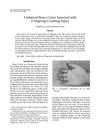
November 2005 in “The Journal of Dermatology” A man's crushed thumb caused unusual horizontal nail ridges on all fingers of one hand.
 3 citations
,
January 2018 in “Indian Dermatology Online Journal”
3 citations
,
January 2018 in “Indian Dermatology Online Journal” Most pregnant women in Northeast India experience normal skin changes, with specific pregnancy-related skin conditions being rare.
19 citations
,
July 2004 in “Australasian Journal of Dermatology” Her hair grew back normally after she stopped rubbing it.
7 citations
,
January 2002 in “PubMed” Prolonged UVB exposure causes significant skin changes and damage in rats.
 February 2022 in “Cleveland Clinic Journal of Medicine”
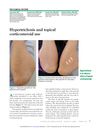
 Prolonged use of topical corticosteroids can cause excessive hair growth.
62 citations
,
March 2017 in “Journal of Investigative Dermatology” Mutations in the ACTB gene cause Becker’s nevi and may lead to muscle issues in Becker’s nevus syndrome.
 1 citations
,
September 2022 in “Pharmaceutics”
1 citations
,
September 2022 in “Pharmaceutics” The stiffness of a wound affects hair growth during healing, with less stiff areas growing more hair.
 November 2023 in “BMJ case reports”
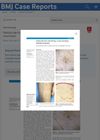
 A man in his 30s had patchy hair loss on his leg due to primary follicular mucinosis.
2 citations
,
September 2023 in “Journal of the Egyptian Womenʼs Dermatologic Society” Exclamation mark hairs and broken hairs best indicate active alopecia areata.
April 2018 in “Journal of Investigative Dermatology” African spiny mice can regenerate skin and hair after wounds due to specific tissue mechanics.
 June 2023 in “British journal of dermatology/British journal of dermatology, Supplement”
 A girl with Becker naevus syndrome has a genetic variant in the ACTB gene related to her symptoms.
29 citations
,
February 2019 in “Pediatric dermatology” Trichotillomania shows specific signs like black dots and uneven hair lengths but lacks certain features of alopecia areata.
1 citations
,
April 2010 in “Cancer Research” WYE-130600 may cause skin thickening and irritation.