 September 2025 in “Journal of the American Academy of Dermatology”
 Reducing SFRP1 can promote hair growth and may help treat hair loss.
 November 2023 in “The journal of investigative dermatology/Journal of investigative dermatology”
 Removing MCPIP1 from myeloid cells in mice leads to hair loss and prevents skin tumors but causes pigmented spots.
April 2023 in “Medizinische Genetik” Male-pattern hair loss is largely influenced by genetics, with key genes identified.
 295 citations
,
June 2009 in “Science”
295 citations
,
June 2009 in “Science” Stromal stem cells may help heal wounds by becoming structural cells or affecting the immune system, but more research is needed to understand how.
144 citations
,
December 2017 in “Pigment cell & melanoma research” Melasma is now considered a skin aging disorder caused by sun exposure in people with a genetic tendency, which impacts treatment and prevention approaches.
28 citations
,
March 2014 in “Biological reviews/Biological reviews of the Cambridge Philosophical Society” The document concludes that hair curvature can be explained by the growth patterns caused by the shape and separation of cells in the hair follicle and is affected by specific molecular pathways.
15 citations
,
December 2020 in “International journal of molecular sciences” Epidermal stem cells create and maintain skin structures like hair and nails through specific signaling pathways and vary by location and function.
14 citations
,
September 1999 in “Journal of Investigative Dermatology” Lack of TrkC receptor delays hair follicle development.
10 citations
,
January 2004 in “Journal of Investigative Dermatology” Krt6a-Cre transgenic mice help study gene effects on hair follicle development and tumor suppression.
 9 citations
,
January 2015 in “Current problems in dermatology”
9 citations
,
January 2015 in “Current problems in dermatology” Scientists have found specific genes linked to different hair loss conditions, which could lead to new treatments.
 8 citations
,
December 2017 in “Skin appendage disorders”
8 citations
,
December 2017 in “Skin appendage disorders” WNT7A gene expression is higher in early stages of androgenetic alopecia, showing the role of WNT pathway, apoptosis, and inflammation in the disorder.
4 citations
,
February 2008 in “Cell stem cell” NFATc1 is crucial for keeping hair follicle stem cells inactive.
Understanding hair follicle interactions can help treat male pattern baldness.
July 2026 in “bioRxiv (Cold Spring Harbor Laboratory)” Hair regrows faster at the front than the back of mouse skin.
Activating certain cells in hair follicles can prevent hair loss caused by cancer treatments.
Activating certain hair follicle cells could prevent hair loss from cancer treatments.
Boosting certain cell signals can prevent hair loss from chemotherapy and radiation.
July 2021 in “Plastic and reconstructive surgery. Global open” Verteporfin treatment in mice led to complete skin healing without scarring.
July 2020 in “Research Square (Research Square)” The study found key long non-coding RNAs involved in yak hair growth cycles.
January 2020 in “Archivio Istituzionale della Ricerca (Universita Degli Studi Di Milano)” Polycomb Repressive Complex 1 is crucial for keeping stem cells stable and maintaining healthy adult tissues.
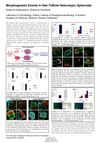
Researchers developed a method to create artificial hair follicles that may help with hair loss treatment and research.
Understanding hair follicle communication can help treat hair loss.
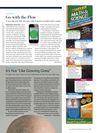 May 2012 in “Scientific American”
 New app improves storm surge predictions; advances in baldness treatment show potential but require time.
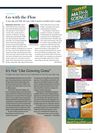 May 2012 in “Scientific American”
 Blocking a compound called prostaglandin D₂ might help treat hair loss.
October 2023 in “University of Zadar Institutional Repository” Androgenetic alopecia is a common genetic and hormonal hair loss affecting many men and women.
June 2022 in “South Florida Journal of Health” Scalp Threading is a promising new treatment for hair loss that may work better than current options.
 April 2017 in “Journal of Investigative Dermatology”
 Found new possible treatments for hair loss.
 March 2010 in “The Journal of Urology”
 Hair loss, prostate size, and urinary issues are related due to androgen effects.
November 2025 in “Journal of Investigative Dermatology” Skin-associated cartilage cells can influence hair growth by altering specific signaling pathways.
 September 2021 in “bioRxiv (Cold Spring Harbor Laboratory)”
 Special gut cells help stem cells move to and fix injured areas by activating a specific signaling pathway.