 264 citations
,
January 2008 in “Journal of biomedical optics”
264 citations
,
January 2008 in “Journal of biomedical optics” Zinc oxide nanoparticles in sunscreen do not penetrate deep into the skin.
October 2025 in “Frontiers in Medicine” Ixekizumab has known and some unexpected side effects.
Electrical stimulation with minoxidil boosts hair cell growth.
 April 2018 in “The journal of investigative dermatology/Journal of investigative dermatology”
 Blue light can help hair grow by affecting certain receptors in hair follicles.
September 2025 in “International Journal of Pharmaceutics and Drug Analysis” Ethosomes improve drug delivery through the skin but face stability challenges.
8 citations
,
July 2015 in “Molecular cytogenetics” A complex X chromosome rearrangement can increase the risk of multiple autoimmune diseases.
January 2026 in “JCEM Case Reports” Genetics may play a significant role in gender dysphoria.
 October 2022 in “BMC genomics”
 RNA editing significantly affects hair growth and follicle cycling in the Tianzhu white yak.
September 2025 in “Genes” Certain gene variations in Jiangnan cashmere goats are linked to important traits like birth weight and fiber quality, useful for breeding.
 May 2024 in “Australasian journal of dermatology”
 A man with a type of skin lymphoma had unusual yellowish skin growths despite normal blood lipid levels, and treatment reduced some symptoms but not the growths.
5 citations
,
December 2020 in “Gene” ANXA1 influences hair growth in mice through the EGF signaling pathway.
 26 citations
,
May 2012 in “Pharmaceutical Development and Technology”
26 citations
,
May 2012 in “Pharmaceutical Development and Technology” PEVs effectively deliver minoxidil through skin.
October 2025 in “Coloration Technology” Delipidised wool is brighter, dyes better, and is more eco-friendly.
 August 2021 in “Josai University Repository of Academia (Josai University)”
 The nanoparticles improved minoxidil's skin absorption, making them promising for skin treatments.
40 citations
,
January 2013 in “Clinical Cosmetic and Investigational Dermatology” Desonide is more effective than niacinamide for reducing underarm darkening.
 4 citations
,
March 2012 in “European journal of wildlife research”
4 citations
,
March 2012 in “European journal of wildlife research” Wire brush snares are best for collecting Eurasian Lynx hair for DNA analysis.
February 2026 in “Contact Dermatitis” Avoiding exposure to certain grasses can prevent skin allergies, highlighting the importance of proper sanitation.
January 2026 in “Immunological Reviews” Females generally have stronger immune responses than males due to the X chromosome.
 February 2023 in “International Journal of Pharmaceutics”
 A new version of minoxidil, a hair loss treatment, was made using nanotechnology. This version, called minoxidil cubosomes, works better and causes fewer skin reactions than the old version. It also penetrates and stays in the skin better, promoting hair regrowth. It's safe and could be a good alternative to current treatments.
 77 citations
,
January 2015 in “International Journal of Biological Macromolecules”
77 citations
,
January 2015 in “International Journal of Biological Macromolecules” Chitosan nanoparticles improve minoxidil delivery to hair follicles for better alopecia treatment.

Sensory neurons and Merkel cells remodel at different rates during normal skin maintenance.
 February 2024 in “Advanced Materials”
 OG6, a sugar-based material, can stimulate hair growth.
20 citations
,
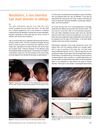
February 2015 in “Anais brasileiros de dermatologia/Anais Brasileiros de Dermatologia” A 6-year-old girl was diagnosed with a rare hair disorder and started treatment with topical minoxidil.
 4 citations
,
January 2014 in “Indian dermatology online journal”
4 citations
,
January 2014 in “Indian dermatology online journal” Monilethrix is a genetic hair disorder causing fragile, beaded hair with no effective treatment.
January 2018 in “Refubium (Universitätsbibliothek der Freien Universität Berlin)” New nanocarriers were developed for safer, targeted drug delivery and diagnostics, showing promise for future medical use.
1 citations
,
September 2025 in “Frontiers in Veterinary Science” Ganxi goats' skin and hair adapt to heat and humidity, possibly aided by GSDMA protein.
January 2026 in “Journal of Radiation Research” 53BP1 focus analysis in hair cells can help estimate radiation doses.
13 citations
,
November 1996 in “International Journal of Dermatology” Liposomes can improve the effectiveness of skin treatments.
22 citations
,
June 2020 in “iScience” Sox21 is crucial for tooth development and enamel formation by preventing cells from changing into a different type.
 8 citations
,
July 2020 in “International Journal of Pharmaceutics”
8 citations
,
July 2020 in “International Journal of Pharmaceutics” Finasteride's solubility improves with native y-CDs, enhancing hair loss treatment and reducing side effects.