
research Skin
August 2022 Goat hair growth is influenced by light cycles and diet, and skin diseases in goats are diagnosed through a step-by-step process and often involve viral or bacterial infections.
8 citations
,
March 2004 in “Mammalian genome” KAP genes are crucial for hair development and show both shared and unique traits in humans, chimpanzees, and baboons.
7 citations
,
September 2019 in “Journal of Investigative Dermatology” 
The GG genotype of the KRT71 gene leads to longer wool in Gansu alpine fine-wool sheep.
 October 2005 in “Nature reviews. Molecular cell biology (Print)”
 Hairless protein is key for hair growth, cell differences cause gene expression variation, and the N-end rule pathway senses nitric oxide for protein breakdown.
 4 citations
,
January 2010 in “Animal”
4 citations
,
January 2010 in “Animal” Improving knowledge and practices in animal fibre production is crucial to meet market demands and potentially revive natural fibres.

Qu-shi-yu-fa Decoction may help treat hair loss by promoting hair growth and strengthening hair follicles.
21 citations
,
December 1991 in “Annals of the New York Academy of Sciences” Most mouse hair keratin genes are on chromosomes 11 and 15.
4 citations
,
May 1981 in “Australian Journal of Biological Sciences” Rat hair follicle cells can produce and release various glycosaminoglycans over time.
April 2019 in “Journal of Investigative Dermatology” Targeting immune pathways like JAK/STAT may help treat frontal fibrosing alopecia.
August 2025 in “Journal of Investigative Dermatology” Fibronectin is essential for hair follicle regeneration and may help rejuvenate aged skin.
March 1990 in “Journal of Dermatological Science” 18 citations
,
November 2016 in “Transgenic research” Overexpressing Tβ4 in cashmere goats improves hair fiber traits and increases cashmere yield.
Hairlessness in mammals is due to complex genetic changes in both genes and regulatory regions.
50 citations
,
February 2013 in “BMC evolutionary biology” Cetaceans lost hair due to changes in the Hr and FGF5 genes.
70 citations
,
March 1997 in “Journal of Investigative Dermatology” 2 citations
,
September 1998 in “Der Hautarzt” A gene mutation causes a rare hereditary hair loss, offering potential for new treatments.
30 citations
,
July 2000 in “PubMed” Hair has unevenly distributed proteins and lipids, with lipids mainly in the cuticle and proteins in the cortex and medulla.
 63 citations
,
October 2011 in “Archives of Dermatology”
63 citations
,
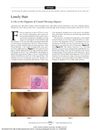
October 2011 in “Archives of Dermatology” Isolated long hairs at the original hairline can help diagnose Frontal Fibrosing Alopecia.
 September 2024 in “Journal of Investigative Dermatology”
 A new tool can analyze hair to detect changes due to hormones, genetics, and aging.
 14 citations
,
March 1995 in “Journal of cell science”
14 citations
,
March 1995 in “Journal of cell science” SV40 T antigen in hair follicles causes abnormal hair and health issues in mice.
45 citations
,
January 1986 January 2006 in “Chinese Journal of Dermatology” Amelanotic melanocytes from hair follicles are immature and likely don't transfer melanosomes to keratinocytes.
Hairless mammals evolved quickly in both gene and non-gene areas related to skin and hair.
 3 citations
,
March 2019 in “PubMed”
3 citations
,
March 2019 in “PubMed” Biofibre hair implants are safe, well-tolerated, and provide immediate cosmetic improvement for hair loss.
30 citations
,
January 1999 in “Journal of Cutaneous Pathology” Spiny keratoderma may be ectopic hair formation on palms and soles.
April 2019 in “Journal of Investigative Dermatology” Maca root extract protects hair follicles and promotes hair growth.
February 2016 in “Faculty of 1000 Research Ltd” Glycans play a crucial role in regulating hair growth and follicle balance.
February 2016 in “Faculty of 1000 Research Ltd” Glycans play a crucial role in regulating hair growth and follicle balance.
 2 citations
,
January 2004 in “Sen i Gakkaishi”
2 citations
,
January 2004 in “Sen i Gakkaishi” Human hair and nail proteins are unlikely to cause allergic reactions.