4 citations
,
January 2011 in “Dermatologic Therapy” Zinc supplements improved hair loss in patients with zinc deficiency.
 November 2025 in “Quality in Sport”
 Collagen supplements improve skin, hair, and nails, especially with vitamin C and minerals.
Diet and supplements can significantly affect acne, with some foods and nutrients reducing and others worsening it.
54 citations
,
June 2001 in “The Indian Journal of Pediatrics” Lower hair zinc levels may be linked to Neural Tube Defects.
January 2024 in “Revista del Centro Dermatológico Pascua” Avoiding damage and using specific shampoo and supplements improved the hair condition.
2 citations
,
January 2016 in “Journal of clinical & experimental dermatology research” Acrodermatitis Enteropathica is a rare skin condition treated effectively with zinc supplements, and early diagnosis is key.
 3 citations
,
November 1999 in “Journal of Cutaneous Medicine and Surgery”
3 citations
,
November 1999 in “Journal of Cutaneous Medicine and Surgery” AGA is a genetic, hormonal hair loss treated with finasteride, minoxidil, and supplements, but new compounds are being developed.
 January 2022 in “Clinical Cases in Dermatology”
 Lack of certain nutrients may contribute to hair loss and proper diet or supplements could improve it.
March 2025 in “Egyptian Journal of Animal Health” Zinc deficiency causes parakeratosis in buffalo calves, and supplementation improves symptoms.
October 2025 in “The American Journal of Gastroenterology” Excessive zinc intake can cause liver failure.
 May 2024 in “Portuguese journal of dermatology and venereology”
 Reassurance and counseling are key in managing acute telogen effluvium, with supplements possibly offering a placebo effect.
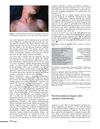
A boy on a ketogenic diet and anti-epileptic drugs developed skin issues due to stopping vitamin supplements, which improved with proper supplementation.
50 citations
,
May 1985 in “The journal of pediatrics/The Journal of pediatrics” Biotin deficiency in patients on total parenteral nutrition can cause serious symptoms but can be treated with biotin supplements.
 December 2022 in “Journal of Education, Health and Sport”
 COVID-19 can cause hair loss, often treated effectively with a combination of supplements and topical treatments.
 June 2022 in “International Journal of Advanced Research in Science, Communication and Technology”
 Multivitamin gummies with various vitamins and minerals offer a tasty and easy-to-digest alternative to traditional supplements.
 July 2018 in “International journal of clinical & experimental dermatology”
 Eat a balanced diet for healthy hair; only use supplements if you have a proven nutrient deficiency.
January 2024 in “ResearchWorks at the University of Washington (University of Washington)” LA-ICP-MS effectively measures zinc, lead, and mercury in hair.
 63 citations
,
May 2017 in “American Journal of Clinical Dermatology”
63 citations
,
May 2017 in “American Journal of Clinical Dermatology” People with alopecia areata often have lower levels of vitamin D, zinc, and folate, but more research is needed to understand if supplements can help treat it.
 19 citations
,
January 2019 in “International Journal of Trichology”
19 citations
,
January 2019 in “International Journal of Trichology” Indian dermatologists recommend treating common hair loss with a balanced diet, stress reduction, mild shampoos, and sometimes minoxidil and supplements.
 3 citations
,
November 2020 in “Biological Trace Element Research”
3 citations
,
November 2020 in “Biological Trace Element Research” Men with hair loss may lack zinc, copper, and vitamin D; supplements could help.
 June 2025 in “International Journal of Nutrology”
 A plant-based diet reduces skin inflammation, intermittent fasting supports muscle regeneration, and certain nutrients and supplements aid in healing.
8 citations
,
January 2024 in “Journal of Human Reproductive Sciences” Women with PCOS have lower zinc levels.
1 citations
,
November 2015 in “International Educational Scientific Research Journal” Many in Karachi have zinc deficiency symptoms but lack awareness of zinc's importance.
 July 2025 in “Humanitarian and Natural Sciences Journal”
 Low vitamin D and ferritin levels may contribute to hair loss in women.

Maintaining enough zinc may help prevent and manage hair loss.
82 citations
,
September 1983 in “Clinics in Gastroenterology” Zinc is vital for health, and its deficiency can worsen gastrointestinal and liver diseases.
20 citations
,
August 1979 in “PubMed” Adding zinc to marmosets' water improved their health, indicating their diet lacked enough zinc.
Zinc methionylglycinate at 160 ppm improves dog hair and zinc levels best.
 1 citations
,
October 2023 in “The Journal of nutrition, health & aging”
1 citations
,
October 2023 in “The Journal of nutrition, health & aging” Higher hair levels of zinc and chromium were linked to less cognitive decline in very old people.
17 citations
,
January 1981 in “International Journal of Food Sciences and Nutrition” Zinc and copper are vital for various body functions, including taste, smell, blood formation, and enzyme activity.