 8 citations
,
November 2019 in “International Journal of Morphology”
8 citations
,
November 2019 in “International Journal of Morphology” Henna dye improves hair cuticle and thickness but effects vary by hair type and health.
 January 2025 in “International Journal of Biological Innovations”
 Medicinal plant substances can help prevent hair loss and improve hair health.
 48 citations
,
July 2001 in “Clinics in Dermatology”
48 citations
,
July 2001 in “Clinics in Dermatology” Cosmetics enhance beauty, fix defects, and intimidate enemies, with varying cultural standards and alternative methods.
 13 citations
,
January 2017 in “Chemical & Pharmaceutical Bulletin”
13 citations
,
January 2017 in “Chemical & Pharmaceutical Bulletin” Certain compounds, especially those with a propionic substituent, could potentially be new treatments for hair loss and similar disorders.
 1 citations
,
January 2016 in “Springer briefs in molecular science”
1 citations
,
January 2016 in “Springer briefs in molecular science” Natural plant-based substances can be used as effective hair dyes.
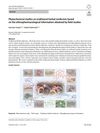 9 citations
,
July 2021 in “Journal of Natural Medicines”
9 citations
,
July 2021 in “Journal of Natural Medicines” Over 150 new molecules with biological activities were found in traditional herbal medicines, some with potential for new drug development.
 January 2025 in “International Journal of Advanced Research in Science Communication and Technology”
 Polyherbal hair dyes are safer and more eco-friendly than chemical dyes.
 14 citations
,
October 2020 in “Scientific reports”
14 citations
,
October 2020 in “Scientific reports” Hair greying is linked to reduced ATM protein in hair cells, which protects against stress and damage.
 November 2023 in “International journal of Ayurveda and pharma research”
 The herbal hair oil effectively promotes hair growth, nourishes the scalp, and prevents dandruff.
 April 2026 in “Frontiers in Pharmacology”
 Traditional Thai medicinal plants show promise for treating hemorrhoids.
 2 citations
,
January 2024 in “Journal of Pharmacognosy and Phytochemistry”
2 citations
,
January 2024 in “Journal of Pharmacognosy and Phytochemistry” Teak has valuable compounds for medicine, cosmetics, and industry, with potential in cancer treatment and biodiesel production.
July 2025 in “Nano Research” Microneedles offer a promising, less invasive way to treat and monitor psoriasis.
 June 2026 in “Zenodo (CERN European Organization for Nuclear Research)”
 Henna is a safer, natural hair dye but needs more research and standardization.
 June 2026 in “Zenodo (CERN European Organization for Nuclear Research)”
 Henna is a safer alternative to synthetic hair dyes but has limited color options.
 April 2026 in “Biomolecules”
 Squid ink melanin nanoparticles create a safe, long-lasting black hair dye that protects hair and offers UV protection.
8 citations
,
November 2023 in “Frontiers in Bioengineering and Biotechnology” Combining metals and herbs in microneedles can improve wound healing.
 June 2026 in “International Journal of Molecular Sciences”
 Targeting the Warburg effect in anaplastic thyroid carcinoma may reduce tumor growth and improve treatment.
 2 citations
,
May 2023 in “Life”
2 citations
,
May 2023 in “Life” Plumbagin may help protect cells, reduce inflammation, and has potential for treating various diseases, but more research is needed.
 April 2022 in “Molecules”
 Teak leaf extract contains compounds that could help treat hair loss.
5 citations
,
May 2025 in “Chemical and Biological Technologies in Agriculture” Humic acids enhance plant growth by improving root development and photobiology.
21 citations
,
November 2022 in “Clinical Cosmetic and Investigational Dermatology” Herbal treatments may help manage seborrhea dermatitis effectively.
9 citations
,
June 2022 in “Microorganisms” We need safe, affordable drugs to fight coronaviruses effectively.
5 citations
,
March 2025 in “Phytomedicine” Deoxyshikonin from Arnebiae Radix helps hair grow by activating a specific cell pathway.
 October 2025 in “Journal of Molecular Structure”
 Hyaluronic acid microneedles help deliver minoxidil derivatives effectively for hair regrowth.
32 citations
,
January 2017 in “Physiology & Behavior” New hair growth corticosterone levels are higher in diabetic mice, indicating long-term stress.
 24 citations
,
April 2011 in “Journal of Chemical & Engineering Data”
24 citations
,
April 2011 in “Journal of Chemical & Engineering Data” Minoxidil dissolves best in methanol and least in water.
 22 citations
,
October 2001 in “Biochemical Pharmacology”
22 citations
,
October 2001 in “Biochemical Pharmacology” GI198745 is more potent and longer-lasting than finasteride, potentially better for treating hair loss.
 14 citations
,
March 2016 in “Mechanisms of Development”
14 citations
,
March 2016 in “Mechanisms of Development” Basonuclin 2 is vital for the development of facial bones, hair follicles, and male germ cells in adult mice, and its absence can lead to dwarfism and abnormal follicles.
 13 citations
,
November 2010 in “Experimental Dermatology”
13 citations
,
November 2010 in “Experimental Dermatology” Vitamin C derivative reduces hair loss-related protein in cells.
 10 citations
,
October 2014 in “Journal of Ovarian Research”
10 citations
,
October 2014 in “Journal of Ovarian Research” The IRS-2 Asp/Asp genotype may increase the risk of PCOS in Chinese women, especially if they are not obese.