 April 2023 in “Egyptian journal of Immunology”
 10% hPL is best for growing mesenchymal stem cells, while 10% FBS is best for hepatocytes.
 1 citations
,
January 2022 in “Electronic Imaging”
1 citations
,
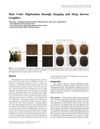
January 2022 in “Electronic Imaging” A new method accurately captures and renders hair color for virtual reality and hair dye use.
 January 2019 in “Durham e-Theses (Durham University)”
 Advanced microscopy shows hair damage and keratin proteins' roles, aiding future cosmetic treatments.
 8 citations
,
January 2023 in “Journal of Clinical and Translational Hepatology”
8 citations
,
January 2023 in “Journal of Clinical and Translational Hepatology” Advancements in cultured models improve understanding and treatment of gallbladder cancer.
 11 citations
,
March 2024 in “Cell and Tissue Research”
11 citations
,
March 2024 in “Cell and Tissue Research” Telocytes have potential in therapy and tissue regeneration, but challenges in identification and cultivation remain.
 8 citations
,
October 2018 in “Applied sciences”
8 citations
,
October 2018 in “Applied sciences” Alginate spheres help maintain hair growth potential in human cells for hair loss treatment.
 December 2025 in “Nature Communications”
 Blocking IL-17a can improve age-related smell loss in mice.
 November 2023 in “Linköping University medical dissertations”
 Keratinocytes and adipose-derived stem cells can effectively heal difficult skin wounds.

Ovol2 is crucial for hair growth and skin healing by controlling cell movement and growth.
July 2024 in “Journal of Investigative Dermatology” The new skin organoid system effectively mimics human skin for studying its functions, injuries, and diseases.
 47 citations
,
July 2013 in “Pharmacological Reviews”
47 citations
,
July 2013 in “Pharmacological Reviews” Regenerative pharmacology, which combines drugs with regenerative medicine, shows promise for repairing damaged body parts and needs more interdisciplinary research.
 42 citations
,
February 2018 in “International Journal of Molecular Sciences”
42 citations
,
February 2018 in “International Journal of Molecular Sciences” Minoxidil boosts hair growth by triggering growth factor release from specific stem cells.
2 citations
,
December 2025 in “Gels” Nano-zinc oxide affects genes linked to cell death, inflammation, and stress in skin cells.
 1 citations
,
July 2023 in “Journal of visualized experiments”
1 citations
,
July 2023 in “Journal of visualized experiments” The new method makes it easier to study the whole cochlea from newborn mice and rats in the lab.
 December 2024 in “Medical Review”
 Organoids help study and treat genetic diseases, offering personalized medicine and therapy testing.
1 citations
,
April 2022 in “Frontiers in Bioengineering and Biotechnology” Astrocytes can become stem cell-like and help repair brain damage.
25 citations
,
February 2024 in “Biomaterials” Stem cell-derived organoids can improve skin healing.
13 citations
,
September 2021 in “Frontiers in Cell and Developmental Biology” Suspension culture is best for stem cell differentiation into endoderm cells.
Researchers improved mouse skin cell culture methods and created a similar immortal cell line, but need to clarify their methods and benefits.
A new method allows detailed, continuous imaging of crustacean leg regeneration without harming the cells.
5 citations
,
November 2024 in “Cells” Fish cell spheroids are a promising tool for replicating real-life conditions in research.
125 citations
,
March 2017 in “Micromachines” Microfluidic technology improves cell spheroid creation for better drug testing and tissue engineering.
 17 citations
,
June 2018 in “Frontiers in Physiology”
17 citations
,
June 2018 in “Frontiers in Physiology” ADM scaffolds help skin heal by promoting a healing-type immune response.
1 citations
,
March 2019 in “International Journal of Molecular Medicine” Mouse hair follicle cells can become heart-like cells without genetic changes.
The review suggested the study needed to clarify its purpose, compare with non-immortalized cells, and provide more details on methods.
8 citations
,
September 2023 in “International Journal of Nanomedicine” A new lab-grown lung model helps study adenoviruses and test antiviral drugs.
203 citations
,
May 2022 in “Pharmaceutics” Gelatin shows promise for future medical uses due to its safety and versatility, despite some challenges.
13 citations
,
November 2024 in “EClinicalMedicine” Standardized de-facing protocols can prevent identification from anonymized MRI images, enhancing privacy protection.
9 citations
,
January 2025 in “Droplet” Precise cell manipulation technologies are advancing but still face challenges in improving accuracy for medical use.
 30 citations
,
January 2023 in “EFSA journal”
30 citations
,
January 2023 in “EFSA journal” Adults should not consume more than 255 micrograms of selenium per day to avoid risk of hair loss and other side effects.