 September 2025 in “Journal of the American Academy of Dermatology”
 Using 5α-reductase inhibitors for hair loss in women doesn't increase cancer risk.
 January 2024 in “The journal of investigative dermatology/Journal of investigative dermatology”
 AP-2α and AP-2β are crucial for healthy skin and hair.
 August 2024 in “Research Square (Research Square)”
 Using 5-alpha reductase inhibitors may lower the risk of breast cancer in females.
 15 citations
,
October 2016 in “Steroids”
15 citations
,
October 2016 in “Steroids” Researchers developed a new method to find substances in herbs that can block a specific enzyme linked to hair loss.
 37 citations
,
April 2008 in “The Cochrane library”
37 citations
,
April 2008 in “The Cochrane library” 5-alpha-reductase inhibitors can lower prostate cancer risk but may increase high-grade tumors and cause sexual side effects.
 52 citations
,
February 2006 in “Current pharmaceutical design”
52 citations
,
February 2006 in “Current pharmaceutical design” 5α-reductase inhibitors and alpha-1 adrenergic antagonists together effectively treat benign prostatic hyperplasia, with long-term benefits.
May 2025 in “Biological and Clinical Sciences Research Journal” Minoxidil is more effective than Procapil for treating hair loss.
 1 citations
,
October 2025 in “Iranian journal of pharmaceutical research”
1 citations
,
October 2025 in “Iranian journal of pharmaceutical research” Geranyl acetate can protect skin cells from damage and inflammation caused by para-phenylenediamine.
 January 2016 in “Archivio italiano di urologia, andrologia”
 The document concludes that the risk of sexual side effects from 5-alpha-reductase inhibitors is low and often temporary, but more research is needed on potential permanent effects.
6 citations
,
June 2009 in “Journal of Clinical Oncology” 5-α-reductase inhibitors don't prevent prostate cancer but may reduce unnecessary biopsies.
1 citations
,
June 2021 in “Singapore Medical Journal” Dutasteride and finasteride can help increase hair growth gene expression but need further improvement.
 29 citations
,
January 1996 in “Journal of Pharmaceutical Sciences”
29 citations
,
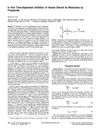
January 1996 in “Journal of Pharmaceutical Sciences” Finasteride poorly inhibits type 1 5AR, affecting its effectiveness.
 60 citations
,
May 2015 in “Archives of dermatological research”
60 citations
,
May 2015 in “Archives of dermatological research” PPAR agonists show promise for skin conditions but need more research before being a main treatment.
14 citations
,
August 2015 in “Endocrinology” The antibody 005-C04 blocks prolactin receptors, causing reversible infertility, impaired lactation, and hair regrowth in female mice.
60 citations
,
October 2020 in “Nature Communications” AP-1 and TGFß work together to drive resistance in basal cell carcinoma, suggesting new treatment options.
15 citations
,
April 2011 in “The journal of investigative dermatology/Journal of investigative dermatology” A3B5 can reduce skin pigmentation and slow melanoma growth.
 92 citations
,
January 2012 in “International Journal of Biological Sciences”
92 citations
,
January 2012 in “International Journal of Biological Sciences” The document introduced a new naming system for keratin-associated proteins to improve clarity and communication across species.
January 2025 in “Biochemical Pharmacology” Peficitinib can turn human fibroblasts into cells that help grow hair.
 18 citations
,
December 2020 in “Frontiers in cell and developmental biology”
18 citations
,
December 2020 in “Frontiers in cell and developmental biology” miR-140-5p in certain cell vesicles helps hair growth by boosting cell proliferation.
![Activity of 17β-(N-Alkyl/Arylformamido) and 17β-[(N-Alkyl/Aryl) Alkyl/Arylamido]-4-Methyl-4-Aza-5α-Androstan-3-Ones as 5α-Reductase Inhibitors in the Hamster Flank Organ and Ear](/images/assets/861159f1-7bd4-420c-a16b-4829458efe68/small/15592.jpg) 10 citations
,
August 1998 in “Journal of Investigative Dermatology”
10 citations
,
August 1998 in “Journal of Investigative Dermatology” The compounds tested could potentially treat hair loss and alopecia.
50 citations
,
December 2017 in “Nanoscale” Polymeric micelle nanocarriers deliver adapalene more effectively to hair follicles than commercial products.
 September 2025 in “Frontiers in Medicine”
 Angiopoietin-1 helps hair cells survive and grow, making it a potential treatment for hair loss.
 September 2017 in “Journal of Investigative Dermatology”
 Stabilizing HIF-1A in hair follicles may reduce oxidative stress and promote hair growth by increasing glycolysis.
 41 citations
,
June 2010 in “Journal of Investigative Dermatology”
41 citations
,
June 2010 in “Journal of Investigative Dermatology” New cells are added to the hair's dermal papilla during the active growth phase.
October 2024 in “Frontiers in Oncology” A new gene mutation linked to Olmsted syndrome may increase cancer risk, suggesting the need for ongoing patient monitoring.
 December 2024 in “http://isrctn.com/”
 MpowerTM may improve hair growth and satisfaction more than plain minoxidil, with mild side effects.
48 citations
,
June 2000 in “Japanese Journal of Cancer Research” Dimethylarsinic acid speeds up skin tumor growth in certain mice.
June 2024 in “The Journal of Nutritional Biochemistry” 1,25-(OH)2D3 helps hair grow by blocking certain harmful signals.
November 2024 in “Journal of Investigative Dermatology” Aptamers can improve wound healing and promote hair growth.
8 citations
,
January 2017 in “Korean Journal of Physiology and Pharmacology” Pimecrolimus boosts melanin production and movement of skin pigment cells.