4 citations
,
March 2024 in “Forensic Sciences Research” Forensic DNA phenotyping faces challenges like inconsistent terms and limited genetic knowledge.
71 citations
,
January 2012 in “PloS one” The conclusion is that genetic differences affect how the cochlea heals after hair cell loss, which may challenge the creation of hearing loss treatments.
 10 citations
,
August 2022 in “International Journal of Molecular Sciences”
10 citations
,
August 2022 in “International Journal of Molecular Sciences” Leptin-deficient mice, used as a model for Type 2 Diabetes, have delayed wound healing due to impaired contraction and other dysfunctional cellular responses.
5 citations
,
August 2025 in “Biomedicines” Early detection and multidisciplinary management of skin and mouth side effects from breast cancer treatments improve patient outcomes.
37 citations
,
August 2024 in “Current Issues in Molecular Biology” Keratins 6, 16, and 17 increase in damaged or diseased skin and may help diagnose skin issues.
 January 2023 in “International Journal of Molecular Sciences”
 Maxillariinae orchids contain 62 compounds with potential health benefits, including treating skin conditions and diseases like cancer and diabetes.
 11 citations
,
January 2023 in “BioMed Research International”
11 citations
,
January 2023 in “BioMed Research International” Microbial biosurfactants could be a safer and environmentally friendly alternative to chemical surfactants in cosmetics.
1 citations
,
June 2025 in “International Journal of Molecular Sciences” Hirsutism in GCC countries is influenced by genetics, obesity, and lifestyle, with cultural stigma delaying treatment, highlighting the need for tailored health strategies.
January 2026 in “International Journal of Molecular Sciences” Hemp's compounds can be used in natural insecticides, cosmetics, and food supplements.
 October 2025 in “Communications Medicine”
 Combining genetic and physical data improves diagnosis and treatment for early-onset monogenic diabetes.
 September 2022 in “Journal of Investigative Dermatology”
 Patient-reported outcomes better reflect the quality of life impact of alopecia areata than traditional severity scores.
 106 citations
,
March 2013 in “Nature Communications”
106 citations
,
March 2013 in “Nature Communications” A new genetic region, 17q21.31, is linked to higher ovarian cancer risk.
44 citations
,
December 2005 in “Journal of Investigative Dermatology” Certain genetic markers, especially the MICA gene, are linked to alopecia areata.
22 citations
,
January 2014 in “Journal of Interferon & Cytokine Research” Certain genetic variations in IL18 may increase the risk of alopecia areata in Koreans.
18 citations
,
January 2013 in “PLoS ONE” HLA-DRB5 and other genes may be linked to alopecia universalis.
11 citations
,
December 2013 in “International Journal of Dermatology” IL16 gene variations may affect the risk of alopecia areata in Koreans.
 3 citations
,
March 2014 in “Annals of Hepatology”
3 citations
,
March 2014 in “Annals of Hepatology” A man lost all his hair after stopping hepatitis C treatment and it didn't grow back.
2 citations
,
December 2024 in “Gene Reports” Higher IL-37 levels are linked to more severe alopecia areata, but the gene variation doesn't affect disease risk.
 September 2023 in “Medicina-lithuania”
 The study suggests that analyzing DNA can help treat hair loss, but more research is needed.
19 citations
,
July 2020 in “EBioMedicine” A gene variant increases the risk of a type of hair loss by affecting hair protein production.
5 citations
,
December 2022 in “Genes” Genetic differences affect how people respond to COVID-19.
3 citations
,
June 2024 in “Skin Research and Technology” Higher LDL lipids may increase alopecia areata risk, while higher triglycerides may decrease it.
1 citations
,
October 2024 in “Medicina” CLEC4D gene variants may increase the risk of alopecia areata in Jordanians.
1 citations
,
April 2007 in “The FASEB Journal” Lack of certain fatty acids causes skin, immune, and fertility issues in mice.
1 citations
,
October 2000 in “Journal of Investigative Dermatology” The Thr1022Ala variant in the hairless gene is not a disease-causing mutation.
 February 2026 in “Journal of Nanobiotechnology”
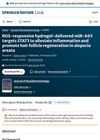
 A new treatment using a special gel with miR-665 reduces inflammation and helps hair regrow in alopecia areata.
A mange outbreak nearly wiped out vicuña and guanaco populations in San Guillermo National Park.
 103 citations
,
November 2014 in “Journal of Cell Biology”
103 citations
,
November 2014 in “Journal of Cell Biology” MicroRNA-214 is important for skin and hair growth because it affects the Wnt pathway.
 19 citations
,
December 2015 in “European Journal of Human Genetics”
19 citations
,
December 2015 in “European Journal of Human Genetics” A rare ITGB6 gene variant causes intellectual disability, hair loss, and dental issues.
 51 citations
,
November 2011 in “British Journal of Dermatology”
51 citations
,
November 2011 in “British Journal of Dermatology” A gene called HDAC9 might be a new factor in male-pattern baldness.