Search
for
Sort by
Research
60-90 / 1000+ results
research 604 Comparison of 1064-nm Nd:YAG picosecond lasers using fractional micro-lens array vs. ablative fractional 2940-nm Er:YAG lasers for the treatment of atrophic acne scar in Asians: A 20-week prospective, randomized, split-face, controlled trial
Both laser treatments improved acne scars similarly, but the Nd:YAG laser was safer and less painful, while the Er:YAG laser left patients slightly more satisfied.
research Q-switched Nd:YAG 1064-nm laser for the treatment of acne-induced postinflammatory hyperpigmentation
Fractional infrared technology is effective and safe for treating cervical laxity.
research Sulfatase inhibitors: a patent review
The document concludes that research on sulfatase inhibitors should continue due to their potential in treating various diseases, despite some clinical trial failures.
research A Novel Treatment of Acne Vulgaris Using a 1927 nm Fractional Thulium Laser: A Case Series
The 1927 nm fractional thulium laser effectively treats acne by targeting and improving affected skin areas.
research Pulsed dye laser treatment of Jessner lymphocytic infiltration of the skin
Pulsed dye laser treatment was effective for a skin condition resistant to other treatments.

research Light emitting diodes technology-based photobiomodulation therapy (PBMT) for dermatology and aesthetics: Recent applications, challenges, and perspectives
LED light therapy is effective for skin and hair treatments but requires careful use to minimize risks.
research Cervical laxity and fractional infrared: A new approach
Fractional infrared technology is effective and safe for treating cervical laxity.
research Tissue-engineered human embryonic–like conditioned media for therapeutic applications
Fractional infrared technology is effective and safe for treating cervical laxity.
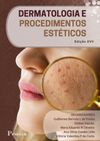
research Dermatologia e Procedimentos Estéticos Ed. XXVII
Continuous learning and personalized treatments are crucial in dermatology due to rapid technological advancements.
research Ultrafast Mid-IR Laser Scalpel: Protein Signals of the Fundamental Limits to Minimally Invasive Surgery
The PIRL laser cuts tissue with less damage and scarring than traditional methods.
research Minoxidil and Dexamethasone Eluting Nanofiber Dressing for Cutaneous Wound Healing in Rat
The new wound dressing with minoxidil and dexamethasone could speed up healing and reduce scarring in rats.
research Applications of Marine Organism-Derived Polydeoxyribonucleotide: Its Potential in Biomedical Engineering
PDRN, derived from salmon sperm, shows promise in healing wounds, reducing inflammation, and regenerating tissues, but more research is needed to understand its mechanisms and improve its use.
research Unmasking Melasma: Confronting the Treatment Challenges
Melasma treatment is difficult, but combination therapies and personalized plans show promise.

research How to treat androgenetic alopecia – the most common form of hair loss. A review
Androgenetic alopecia can be treated with minoxidil and finasteride, requiring long-term use and patient cooperation.
research Long pulse 1,064‐nm neodymium‐doped yttrium aluminum garnet laser in aesthetic dermatology
The 1,064-nm Nd:YAG laser is versatile and effective for treating leg veins, hair removal, and skin rejuvenation, especially in darker skin types.
research Bioregenerative Applications of the Human Mesenchymal Stem Cell- Derived Secretome: Part-II
The mesenchymal stem cell secretome may effectively treat various diseases as an alternative to traditional stem cell therapies.
research Recent Advances in Microneedling-Assisted Cosmetic Applications
Microneedling improves skin and hair conditions by enhancing treatment absorption and stimulating growth factors.
research Ablative Fractional Resurfacing in Topical Drug Delivery: An Update and Outlook
Ablative fractional resurfacing could improve how well topical drugs penetrate the skin, but more research is needed to fine-tune the method.
research Hair regrowth through wound healing process after ablative fractional laser treatment in a murine model
Laser treatment helped regrow hair in mice by activating a key growth pathway.
research Transcriptomic analysis of human skin wound healing and rejuvenation following ablative fractional laser treatment
Ablative fractional laser treatment rejuvenates skin by altering gene expression and promoting wound healing and tissue regeneration.
research Laser-assisted drug delivery for the treatment of androgenetic alopecia: ablative laser fractional photothermolysis to enhance cutaneous topical delivery of platelet-rich plasma — with or without concurrent bimatoprost and/or minoxidil
Laser-assisted delivery of PRP, with or without bimatoprost and minoxidil, can effectively stimulate hair growth.
research Fetal Fibroblast Transplantation via Ablative Fractional Laser Irradiation Reduces Scarring
The treatment combining laser and fetal fibroblasts effectively reduces scarring.
research Transcriptomic Analysis of Human Skin Wound Healing and Rejuvenation Following Ablative Fractional Laser Treatment
Ablative fractional laser treatment rejuvenates aged skin by activating genes related to wound healing and tissue regeneration.
research The Efficacy and Safety of Ablative Fractional CO 2 Laser Combined With Topical Minoxidil for Male Androgenetic Alopecia: A Randomized Clinical Trial
Combining laser treatment with minoxidil is more effective for hair growth in men than using minoxidil alone.
research Comparative Study Between Ablative Fractional Carbon Dioxide Laser Combined with Topical Steroid Versus Topical Steroid in Treatment of Alopecia Areata
Combining laser treatment with steroid cream is more effective for alopecia areata than using the cream alone.
research Efficacy and Safety of Ablative Fractional CO 2 Laser Therapy for Localized Scleroderma: A Comprehensive Bench‐to‐Bedside Approach
CO₂ laser therapy improves skin and hair growth in localized scleroderma without severe side effects.

research Efficacy of Ablative Fractional Carbon Dioxide Laser Alone and Combined with Platelet-Rich Plasma in the Treatment of Androgenetic Alopecia
Laser treatment combined with platelet-rich plasma is more effective for hair loss than laser treatment alone.
research Ablative Laser Resurfacing (CO2)
Ablative CO2 laser resurfacing tightens skin by promoting collagen and new cell growth.
research Ablative Laser Resurfacing (CO2)
Ablative CO2 laser resurfacing tightens skin by destroying and regenerating skin layers.