 1 citations
,
August 1946 in “Archives of dermatology”
1 citations
,
August 1946 in “Archives of dermatology” The meeting highlighted the complexity and variability of skin conditions and differing opinions on their diagnoses and treatments.
 May 2026 in “Frontiers in Immunology”
 Bimekizumab effectively treats scalp cellulitis and improves quality of life.
 January 2026 in “International Journal of Unani and Integrative Medicine”
 Combining modern and Unani medicine may better manage PCOS symptoms.
 December 2025 in “Journal of Pakistan Association of Dermatologists”
 Stopping afatinib improved a rare scalp condition in a patient.
 December 2025 in “Cureus”
 Avoiding friction and using topical treatments can significantly improve rough skin caused by repeated rubbing.
 July 2025 in “International Journal of Ayurvedic Medicine”
 Kantavallabha rasa may help manage PCOS symptoms effectively.
 June 2025 in “SAS Journal of Medicine”
 Early diagnosis of tufted hair is crucial for managing folliculitis decalvans, a chronic scalp condition.
 April 2025 in “Otorhinolaryngology Clinics - An International Journal”
 Histopathological examination is crucial to avoid misdiagnosis and ensure proper treatment for skin lesions.
 January 2025 in “Medical Research Archives”
 Sex hormones are crucial for healthy skin and managing skin conditions.
 January 2025 in “Surgical & Cosmetic Dermatology”
 Erbium-YAG laser treatment improved folliculitis decalvans without causing hair loss.
 October 2024 in “TURKDERM”
 Hair transplantation can lead to rare scalp complications, requiring careful follow-up and treatment.
 October 2023 in “Dermatology practical & conceptual”
 Folliculitis Decalvans and Frontal Fibrosing Alopecia can coexist in people with darker skin, showing features of both conditions.
 December 2021 in “The Sri Lanka Journal of Dermatology”
 COVID-19 can cause various skin issues, including rashes and lesions.

Men's skincare products with essential oils can improve skin health and may increase male interest in cosmetics.
 April 2021 in “BMJ Case Reports”
 Accurate diagnosis of pseudolymphomatous folliculitis is crucial to avoid mistaking it for more serious conditions.
A thorough skin history and examination are essential for diagnosing and treating skin conditions effectively.
 March 2015 in “Zagazig University Medical Journal”
 Damage to hair follicle stem cells may cause permanent hair loss and scarring in PCA.
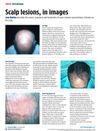 January 2015 in “Independent Nurse”
 Different scalp conditions can lead to hair loss or tumors, with treatments varying from creams to surgery; early detection is crucial.
 July 2013 in “British Journal of Dermatology”
 The document reviews key historical figures and discoveries in dermatology.
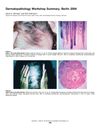 November 2005 in “Journal of Investigative Dermatology Symposium Proceedings”
 The workshop aimed to improve hair loss disorder diagnosis and understanding.
 May 2003 in “Facial Plastic Surgery Clinics of North America”
 Hair loss can be treated with medications like minoxidil and finasteride or surgery, but treatment effectiveness varies by alopecia type and accurate diagnosis is important.
 July 1980 in “Journal of The American Academy of Dermatology”
 The conference concluded that understanding hair and nail disorders is important, iron deficiency may be linked to hair loss, and while some treatments for skin conditions are effective, they may have risks and high costs.
 October 1961 in “Archives of Dermatology”
 Reassurance is important for postpartum hair shedding as it likely won't cause complete baldness.
 12 citations
,
January 2016 in “Journal of Orofacial Orthopedics / Fortschritte der Kieferorthopädie”
12 citations
,
January 2016 in “Journal of Orofacial Orthopedics / Fortschritte der Kieferorthopädie” Researchers found a new mutation in the EDA gene that likely causes missing teeth and mild skin symptoms in one family.
 February 2026 in “Brazilian Journal of Implantology and Health Sciences”
 Chronic stress and high cortisol levels can cause hair loss by disrupting hair growth.
 October 2025 in “Editora Pasteur eBooks”
 Peptides improve skin health and treatments for hair loss and pregnancy-related skin issues are evolving.
 September 2020 in “Annals of the National Academy of Medical Sciences. India”
 COVID-19 can cause skin issues like "COVID toes," rashes, hair loss, and hand eczema, and dermatologists are important for recognizing these signs.

Older age, obesity, hirsutism, and having children increase metabolic risk in women with PCOS.
 January 2009 in “Springer eBooks”
 The document concludes that managing skin conditions during pregnancy is important and requires specialized care.

Early and accurate identification of primary scarring alopecias is crucial to prevent permanent hair loss.