 6 citations
,
July 2018 in “JAMA facial plastic surgery”
6 citations
,
July 2018 in “JAMA facial plastic surgery” Injecting minced fat into the facial artery can cause severe eye problems and death, more so than other fat types, and larger amounts increase these risks.
 January 2014 in “Pathology”
 Non-scarring hair loss can be diagnosed with two 4mm punch biopsies, one cut vertically and the other transversely.
 37 citations
,
November 2003 in “Veterinary pathology”
37 citations
,
November 2003 in “Veterinary pathology” Hair loss in mice starts with immune cells damaging hair roots before it becomes visible.
1 citations
,
January 2022 in “Skin Appendage Disorders” Lupus erythematosus can mimic alopecia areata, and trichoscopy is key for accurate diagnosis and better patient outcomes.
May 2015 in “European Journal of Paediatric Neurology” ECCL should be considered in patients with specific skin and eye lesions.

Centralized imaging provides more accurate and consistent hair loss measurements in alopecia areata.
 19 citations
,
February 2016 in “Journal of The American Academy of Dermatology”
19 citations
,
February 2016 in “Journal of The American Academy of Dermatology” CD3+ T-cell presence is a reliable marker to tell apart alopecia areata from pattern hair loss.
 September 2013 in “Science”
 Special astrocytes improved learning and memory in rats after a stroke.
3 citations
,
August 2024 in “Skin Research and Technology” LC-OCT can help identify lupus-related scarring hair loss by spotting unique features.
 64 citations
,
November 2008 in “Journal of The American Academy of Dermatology”
64 citations
,
November 2008 in “Journal of The American Academy of Dermatology” A new type of rapid hair loss called ADTA usually gets better on its own within 6 months.
 1 citations
,
July 2010 in “International Society of Hair Restoration Surgery”
1 citations
,
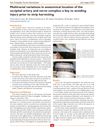
July 2010 in “International Society of Hair Restoration Surgery” Recognizing racial differences in anatomy helps make hair transplants safer.
10 citations
,
October 1992 in “PubMed” Anti-phospholipid antibodies in SLE can cause thrombosis and bone necrosis.
 January 2026 in “Frontiers in Medicine”
 FFA and FAPD might be related or stages of the same disease.
 December 2007 in “CRC Press eBooks”
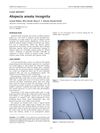
 Alopecia areata incognita causes widespread hair loss without patches and needs a scalp biopsy for diagnosis.
 9 citations
,
October 2014 in “Clinical and Experimental Dermatology”
9 citations
,
October 2014 in “Clinical and Experimental Dermatology” Temporary hair loss can occur after brain AVM treatment but usually regrows in 8 weeks.
 March 2026 in “Critical Care Medicine”
 Hair restoration can cause severe seizures due to combined drug toxicity.
 1 citations
,
January 2021 in “Dermatology Review”
1 citations
,
January 2021 in “Dermatology Review” A young man developed a rare, bilateral scalp condition after head trauma, causing hair loss but no neurological or eye issues.
 May 2026 in “Journal of Asia Pacific Aesthetic Sciences”
 Low-dose intralesional corticosteroid treatment led to rapid hair regrowth in localized alopecia areata.
 19 citations
,
August 2018 in “International Journal of Dermatology”
19 citations
,
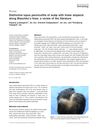
August 2018 in “International Journal of Dermatology” Lupus panniculitis of the scalp causes linear hair loss and needs ongoing treatment to prevent recurrence and lupus.
 1 citations
,
August 2021 in “Movement disorders clinical practice”
1 citations
,
August 2021 in “Movement disorders clinical practice” A man with Isaac's syndrome affecting only one side of his body improved after immune system-targeted treatment.
 February 2009 in “Journal of The American Academy of Dermatology”
 People with early-onset hair loss have higher risk of heart issues, so early screening is important.
September 2023 in “Journal of the American Academy of Dermatology” Alopecia, especially androgenic, may increase cardiovascular risk, but more research is needed.
January 2026 in “Case Reports in Dermatological Medicine” Intralesional steroids effectively treated a young female's scalp nodules without recurrence.

Stopping finasteride and closing PFO can help prevent strokes in young adults.

Finasteride may increase stroke risk in people with clotting tendencies.
 November 2024 in “SKIN The Journal of Cutaneous Medicine”
 Visual signs are crucial for accurately diagnosing and treating different types of hair loss in Black patients.
 September 2013 in “Science”
 Certain astrocytes can protect the brain and improve recovery after a stroke, and a hair loss drug might reduce cancer spread.
5 citations
,
March 2016 in “Experimental and molecular pathology” Mice with alopecia areata had wider lymphatic vessels in their skin.
 18 citations
,
March 2024 in “Frontiers in Pharmacology”
18 citations
,
March 2024 in “Frontiers in Pharmacology” Natural plant products like Proanthocyanidins and curcumin may help treat ischemic stroke by reducing inflammation.
62 citations
,
July 2013 in “American Journal of Clinical Dermatology” Alopecia areata patients have higher oxidative stress and lower antioxidant levels.