 November 2025 in “Turkish Journal of Dermatology”
 Both baricitinib and tofacitinib effectively reduce alopecia areata severity, with tofacitinib showing more improvement over longer use.
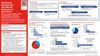 November 2024 in “SKIN The Journal of Cutaneous Medicine”
 Baricitinib is widely used for several conditions, especially COVID-19, but its safety and effectiveness are still being evaluated.
 4 citations
,
May 2025 in “Dermatology and Therapy”
4 citations
,
May 2025 in “Dermatology and Therapy” Baricitinib effectively improves symptoms of atopic dermatitis and alopecia areata with few side effects.
5 citations
,
January 2018 in “Indian Journal of Dermatology/Indian journal of dermatology” A woman got a skin rash from taking aceclofenac, which went away after she stopped the drug.
 January 2025 in “Geneesmiddelenbulletin”
 Baricitinib is effective and safe for treating severe alopecia areata with ongoing use.
 September 2024 in “Journal of the American Academy of Dermatology”
 Sodium citrate causes less pain than acid citrate dextrose-A in PRP therapy.
 May 2026 in “Malahayati Nursing Journal”
 Facial acupuncture improved skin appearance and health.
 July 2023 in “Clinical and Experimental Dermatology”
 Combining baricitinib with low-dose corticosteroids significantly improved severe hair loss in eight patients.
 August 2025 in “Scientific Reports”
 C4BPA protein may link acne severity and insulin resistance.
 1 citations
,
January 2023 in “Cutis”
1 citations
,
January 2023 in “Cutis” The paper concludes that the new medication baricitinib needs further testing in a more diverse group of patients with alopecia areata.
3 citations
,
May 2025 in “Carbohydrate Polymers” The new microneedle patch effectively treats alopecia areata with fewer side effects than oral medication.
16 citations
,
May 2022 in “New England Journal of Medicine” Baricitinib is not very effective for severe alopecia areata.
1 citations
,
September 2007 in “Neuromuscular disorders” The treatment with valproate, acetylcarnitine, folic acid, and vitamin B12 may improve muscle strength in children with SMA without significant side effects.
Baricitinib is effective for Alopecia Areata but requires careful patient history evaluation.
 5 citations
,
July 2020 in “Journal of Cosmetic Dermatology”
5 citations
,
July 2020 in “Journal of Cosmetic Dermatology” A vibrating anesthetic device significantly reduces pain during mesotherapy for hair loss without complications.
 January 2024 in “JEADV clinical practice”
 The study helps doctors use patient images to understand and apply SALT scores for treating severe alopecia areata.
1 citations
,
October 2024 in “JAAD Case Reports” Baricitinib effectively treated hair loss and inflammation in a patient with alopecia areata and lichen planopilaris.
October 1993 in “The Journal of Clinical Pharmacology”  January 2025 in “Regenerative Biomaterials”
 The hydrogel helps reduce scarring and improve wound healing by releasing salvianolic acid B in acidic conditions.
Baricitinib is used for severe alopecia areata after trying corticosteroids or other JAK inhibitors.
September 2024 in “Journal of the American Academy of Dermatology” Subcision is the most efficient, cost-effective, and safest treatment for post-acne boxcar scarring in skin of color.
 1 citations
,
September 2023
1 citations
,
September 2023 AMT® shows promise as a safe and effective treatment for early-stage knee osteoarthritis.
 May 2025 in “Insights-Journal of Health and Rehabilitation”
 Aloe vera and lemon extracts can significantly reduce acne, especially when used together.
2 citations
,
September 2025 in “Journal of Dermatological Treatment” Shorter alopecia areata episodes lead to better baricitinib treatment outcomes.
7 citations
,
November 2023 in “JAAD Case Reports” Baricitinib helped regrow hair in patients with severe alopecia areata after other treatments failed.
 25 citations
,
October 2019 in “JAAD Case Reports”
25 citations
,
October 2019 in “JAAD Case Reports” Baricitinib helped a woman with severe hair loss regrow almost all her hair without side effects.
 2 citations
,
March 2023 in “Frontiers in medicine”
2 citations
,
March 2023 in “Frontiers in medicine” A 15-year-old boy's severe scalp condition improved significantly with adalimumab and baricitinib treatment.
July 2025 in “Journal of Investigative Dermatology” DACC-based dressings are more effective than silver-based ones for treating chronic wounds with antimicrobial resistance.
 June 2016 in “American Journal of Cardiology”
 The treatment successfully reopened blood flow in most patients and extended the use of their dialysis access with low risk.
 March 2020 in “Section 5: Patient safety and quality assurance”
 Tofacitinib and baricitinib had an acceptable level of side effects in rheumatoid arthritis patients.