 9 citations
,
January 2020 in “Critical Reviews in Immunology”
9 citations
,
January 2020 in “Critical Reviews in Immunology” MAIT cells may help fight COVID-19 but also contribute to severe inflammation.
21 citations
,
January 2023 in “International Journal of Molecular Sciences” S100A6 protein is linked to disease progression, especially in cancers.
7 citations
,
November 2025 in “Pharmaceutics” Polymer- and lipid-based nanostructures can improve wound healing by controlling contamination, supporting cell growth, and aiding tissue repair.
 May 2026 in “The EMBO Journal”
 Skin aging can be slowed by targeting cells, hormones, and the microbiome.
 17 citations
,
December 2013 in “PLoS ONE”
17 citations
,
December 2013 in “PLoS ONE” The postnatal thymus has cells like mesenchymal stem cells that can become different cell types and help maintain thymus structure.
 1 citations
,
September 2023 in “eLife”
1 citations
,
September 2023 in “eLife” TLR2 is important for hair growth and can be targeted to treat hair loss.
 January 2019 in “Springer eBooks”
 Acne is linked to inflammation and insulin resistance, and is associated with various syndromes that require different treatments.
 April 2026 in “Signal Transduction and Targeted Therapy”
 Balancing testosterone may reduce COVID-19 severity.
 26 citations
,
June 2019 in “The journal of investigative dermatology/Journal of investigative dermatology”
26 citations
,
June 2019 in “The journal of investigative dermatology/Journal of investigative dermatology” Regenerative therapies show promise for treating vitiligo and alopecia areata.
 9 citations
,
January 2018 in “Acta dermato-venereologica”
9 citations
,
January 2018 in “Acta dermato-venereologica” A substance called poly(I:C) increases a protein called carbonic anhydrase II in skin cells, which might help with skin defense and healing.
 2 citations
,
January 2019
2 citations
,
January 2019 The document concludes that autoimmune skin disorders are treated with corticosteroids and immunosuppressive drugs.
 October 2020 in “Veterinary Dermatology”
 New treatments and diagnostic methods for various animal skin conditions showed promising results.
 March 2018 in “Suez Canal University Medical Journal”
 New drugs targeting the JAK-STAT pathway show promise for treating inflammatory skin diseases.
 86 citations
,
June 2017 in “Anais Brasileiros de Dermatologia”
86 citations
,
June 2017 in “Anais Brasileiros de Dermatologia” Antioxidants can benefit skin health but should be used carefully to avoid negative effects.
 March 2026 in “European Journal of Biomedical and Life Sciences”
 Restorative dermopigmentation improves skin appearance and function by addressing specific skin issues.
 April 2024 in “Cell death and differentiation”
 Cell death shapes skin stem cell environments, affecting inflammation, repair, and cancer.
 343 citations
,
March 2016 in “Nature Communications”
343 citations
,
March 2016 in “Nature Communications” IL-17-producing γδ T cells help improve bone healing.
 24 citations
,
June 2018 in “Reviews in endocrine and metabolic disorders”
24 citations
,
June 2018 in “Reviews in endocrine and metabolic disorders” Thyroid diseases may contribute to autoimmune skin diseases, and more research is needed on their relationship.
 6 citations
,
April 2025 in “Communications Biology”
6 citations
,
April 2025 in “Communications Biology” Monocytes in hair follicles help neutrophils move through the skin in contact dermatitis.
 3 citations
,
May 2023 in “Frontiers in immunology”
3 citations
,
May 2023 in “Frontiers in immunology” Faulty inflammasome activation may lead to autoimmune skin diseases and could be a target for new treatments.
 1 citations
,
July 2015 in “British Journal of Dermatology”
1 citations
,
July 2015 in “British Journal of Dermatology” Imiquimod improved skin pigmentation in most patients with xeroderma pigmentosum and may prevent further skin cancer, but some treatments can have side effects.
 February 2024 in “Malahayati Nursing Journal”
 High androgen levels can cause hirsutism and increase inflammation.
 November 2023 in “Research Square (Research Square)”
 Combining calcipotriol and PRP is most effective for treating Alopecia Areata.
 April 2023 in “Research Square (Research Square)”
 Lower GPX4 mRNA levels are linked to higher disease activity and symptoms in lupus patients.
 57 citations
,
December 2021 in “Nature Communications”
57 citations
,
December 2021 in “Nature Communications” Non-canonical Wnt signaling helps intestinal stem cells move to injury sites for tissue repair.
 5 citations
,
May 2019 in “Archives of Dermatological Research”
5 citations
,
May 2019 in “Archives of Dermatological Research” Narrowband UVB treatment increases certain gene expressions in psoriasis skin and improves symptoms.
 1 citations
,
April 2019 in “The journal of investigative dermatology/Journal of investigative dermatology”
1 citations
,
April 2019 in “The journal of investigative dermatology/Journal of investigative dermatology” Melanocyte-associated antigens may play a key role in alopecia areata and could be targets for new treatments.
 May 2026 in “Jurnal Sehat Indonesia (JUSINDO)”
 Low vitamin D levels may worsen or cause alopecia areata.
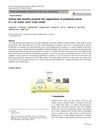 36 citations
,
July 2019 in “Journal of Materials Science Materials in Medicine”
36 citations
,
July 2019 in “Journal of Materials Science Materials in Medicine” Human hair keratin helps repair nerve damage in rats.
 January 2024 in “Deleted Journal”
 Essential oils like lavender, chamomile, and bergamot help manage stress and improve well-being.